THE ADVENTURE COLLECTIVE® · Independent discovery and booking for outdoor travel

A private two-hour walking tour through Maputo’s cathedral, gardens, Iron House and bustling market — ideal for couples who want a short, sensory introduction to the city’s history, architecture and flavors.
A private two-hour walking tour through Maputo’s cathedral, gardens, Iron House and bustling market — ideal for couples who want a short, sensory introduction to the city’s history, architecture and flavors.
Late afternoon in Maputo feels like a slow reveal: sunlight slides off corrugated roofs, the harbor breathes a cool salt wind, and a guide leads two people down wide, palm-lined avenues toward a cathedral that watches over the city.
Verified experiences and guided adventures in the surrounding area.
Operated by Opatrip.com Mozambique · Maputo, Maputo Province
Late afternoon in Maputo feels like a slow reveal: sunlight slides off corrugated roofs, the harbor breathes a cool salt wind, and a guide leads two people down wide, palm-lined avenues toward a cathedral that watches over the city.
This two-hour private walk threads through landmarks that chart Maputo’s past — Portuguese-era façades, the ironwork curiosity known locally as the Iron House, and a compact fortress whose ramparts still frame views of the bay. Geologically the coast here is low and sandy; Maputo Bay opens like a wide palm, inviting shorebirds and fishermen alike. Culturally the city is a crossroads: Portuguese language and architecture, Mozambican music and markets, and a contemporary arts scene that pulses around the cultural center.
Expect flat, pedestrian-friendly routes totaling roughly 2–3 kilometers with minimal elevation gain. Stops include a cathedral, Tunduru Gardens, the Iron House, a cultural center and the busy Mercado Central — each offering a distinct sensory note: tiled floors, flowering trees, hammered iron, drumming and the bright smell of spice.
Practical notes: start late afternoon to catch cooler air and golden light; bring small bills for market purchases; wear comfortable shoes and sunscreen; hydration is essential in Maputo’s subtropical heat. The tour is private and guide-led, making it flexible for photos and slow moments. Public transport is nearby but many couples choose a short taxi to and from central hotels. Respect local customs at religious sites and ask before photographing people — it keeps the walk romantic and considerate.
easy.
2 hours.
Suitable for most fitness levels; minimal walking and no steep climbs
Yes, the itinerary is a private two-hour walking experience tailored for your party.
Most stops are external viewpoints or public gardens; specific admissions (if any) are typically not included—confirm at booking.
Yes; the walk is flat and short, but notify the operator of mobility needs so pace and stops can be adjusted.
Guides commonly speak Portuguese and many speak English; confirm language availability when booking.
Maputo grew under Portuguese rule into a port city of mixed architecture; its landmarks reflect colonial planning, African trade routes and 20th‑century urban growth.
Coastal development and tourism pressure threaten mangroves and shoreline habitats—leave no trace, avoid single‑use plastics, and support local vendors to benefit the community.
Opatrip.com Mozambique operates guided outdoor trips and adventures with an emphasis on safety, stewardship, and memorable experiences.


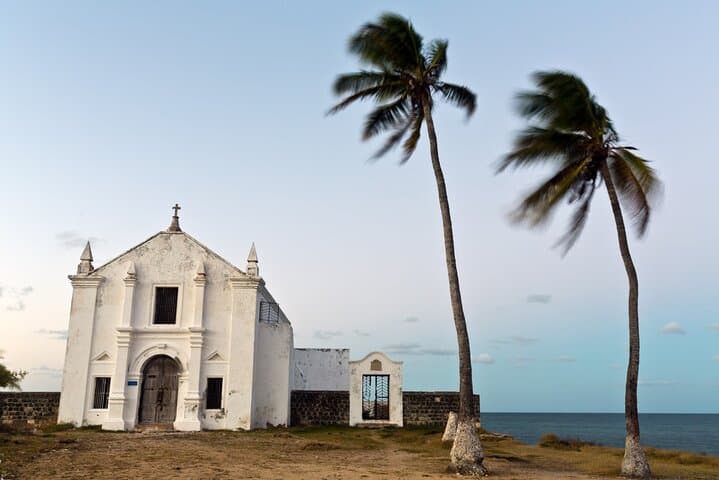
Late afternoon in Maputo feels like a slow reveal: sunlight slides off corrugated roofs, the harbor breathes a cool salt wind, and a guide leads two people down wide, palm-lined avenues toward a cathedral that watches over the city.
Late afternoon in Maputo feels like a slow reveal: sunlight slides off corrugated roofs, the harbor breathes a cool salt wind, and a guide leads two people down wide, palm-lined avenues toward a cathedral that watches over the city.
This two-hour private walk threads through landmarks that chart Maputo’s past — Portuguese-era façades, the ironwork curiosity known locally as the Iron House, and a compact fortress whose ramparts still frame views of the bay. Geologically the coast here is low and sandy; Maputo Bay opens like a wide palm, inviting shorebirds and fishermen alike. Culturally the city is a crossroads: Portuguese language and architecture, Mozambican music and markets, and a contemporary arts scene that pulses around the cultural center.
Expect flat, pedestrian-friendly routes totaling roughly 2–3 kilometers with minimal elevation gain. Stops include a cathedral, Tunduru Gardens, the Iron House, a cultural center and the busy Mercado Central — each offering a distinct sensory note: tiled floors, flowering trees, hammered iron, drumming and the bright smell of spice.
Practical notes: start late afternoon to catch cooler air and golden light; bring small bills for market purchases; wear comfortable shoes and sunscreen; hydration is essential in Maputo’s subtropical heat. The tour is private and guide-led, making it flexible for photos and slow moments. Public transport is nearby but many couples choose a short taxi to and from central hotels. Respect local customs at religious sites and ask before photographing people — it keeps the walk romantic and considerate.