THE ADVENTURE COLLECTIVE® · Independent discovery and booking for outdoor travel

Explore Kisangani’s romantic corners with a local guide who pairs river-side views and colonial history with local legends. This intimate two-hour walking tour highlights the city’s culture, easy terrain, and best photo spots.
Explore Kisangani’s romantic corners with a local guide who pairs river-side views and colonial history with local legends. This intimate two-hour walking tour highlights the city’s culture, easy terrain, and best photo spots.
A late-afternoon sun slides low over the Congo River and the current seems to dare you to linger on the quay. On this two-hour walking tour you move through Kisangani’s streets with a local guide who threads personal stories and city lore between colonial facades and market alleys. The river’s voice is constant—pulling boats, reflecting shopfronts, and casting light on the trees that edge the town.
Verified experiences and guided adventures in the surrounding area.
Operated by Opatrip.com Congo · Kisangani, Tshopo Province
A late-afternoon sun slides low over the Congo River and the current seems to dare you to linger on the quay. On this two-hour walking tour you move through Kisangani’s streets with a local guide who threads personal stories and city lore between colonial facades and market alleys. The river’s voice is constant—pulling boats, reflecting shopfronts, and casting light on the trees that edge the town.
Kisangani was once Stanleyville, a colonial port built around the Congo’s reach into the interior; that history shows in masonry, old signage and stories of explosive romance and dramatic breakups tied to the city’s trading past. Geologically, the city sits on the northern edge of the Congo Basin where the river cuts through Precambrian shields, giving views of rocky banks and the nearby Tshopo Falls—a short ride away.
Culturally the town is a production hub: radio, theatre and local film-makers keep an energetic creative pulse. Expect snapshots of everyday life—vendors, musicians, and parks where locals meet at dusk.
Practical guidance: the route is flat and largely paved—about 2–3 km total with minimal elevation gain. Wear closed shoes for uneven sidewalks and bring a lightweight rain jacket during wet months. Carry small local currency for café stops and tips; insect repellent is wise near green spaces and the river. Tours are private and best timed for late afternoon light or early evening when the air cools and the city’s stories feel immediate.
easy.
2 hours.
Suitable for most fitness levels; mostly flat walking with short standing periods
Guides commonly speak French and Lingala; many also have conversational English—confirm at booking.
Yes; the route is short and flat, but inform the operator of mobility needs so pacing can be adjusted.
Meeting points are typically central—your booking confirmation will specify a hotel pickup or a public square in downtown Kisangani.
Tipping guides and service staff is appreciated; small local-currency tips (CDF) are standard.
Formerly called Stanleyville during the colonial era, Kisangani grew as an inland river port and later became a regional center for radio, theatre and print media.
The Congo Basin faces deforestation and river pollution pressures; stick to marked paths, avoid littering, and support local guides and businesses to ensure tourism benefits the community.
Opatrip.com Congo operates guided outdoor trips and adventures with an emphasis on safety, stewardship, and memorable experiences.
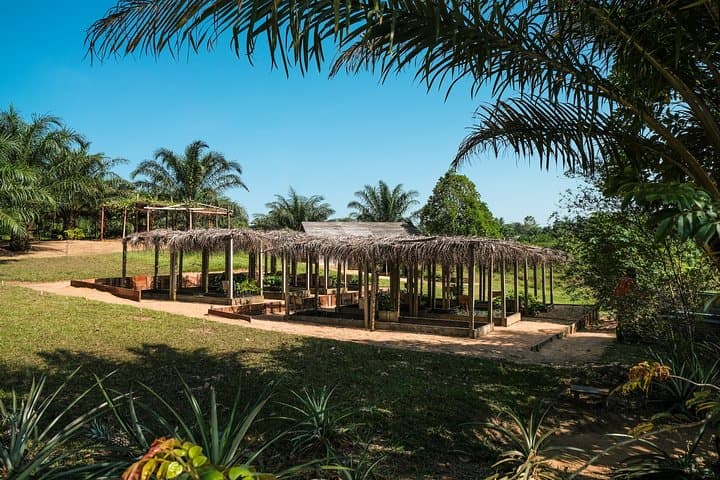
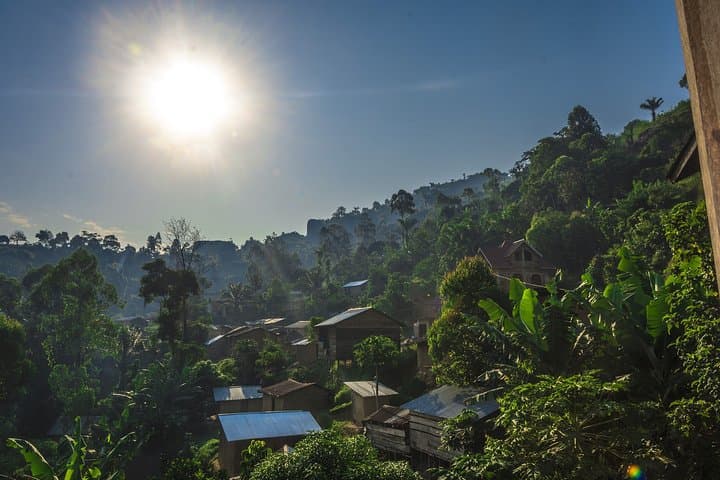
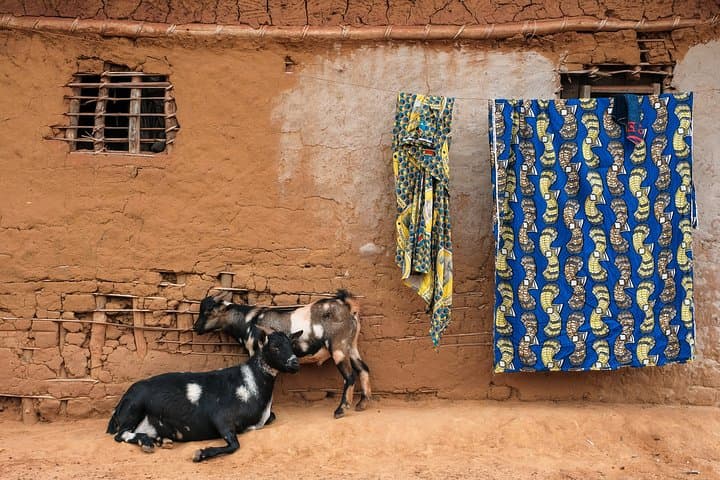
A late-afternoon sun slides low over the Congo River and the current seems to dare you to linger on the quay. On this two-hour walking tour you move through Kisangani’s streets with a local guide who threads personal stories and city lore between colonial facades and market alleys. The river’s voice is constant—pulling boats, reflecting shopfronts, and casting light on the trees that edge the town.
A late-afternoon sun slides low over the Congo River and the current seems to dare you to linger on the quay. On this two-hour walking tour you move through Kisangani’s streets with a local guide who threads personal stories and city lore between colonial facades and market alleys. The river’s voice is constant—pulling boats, reflecting shopfronts, and casting light on the trees that edge the town.
Kisangani was once Stanleyville, a colonial port built around the Congo’s reach into the interior; that history shows in masonry, old signage and stories of explosive romance and dramatic breakups tied to the city’s trading past. Geologically, the city sits on the northern edge of the Congo Basin where the river cuts through Precambrian shields, giving views of rocky banks and the nearby Tshopo Falls—a short ride away.
Culturally the town is a production hub: radio, theatre and local film-makers keep an energetic creative pulse. Expect snapshots of everyday life—vendors, musicians, and parks where locals meet at dusk.
Practical guidance: the route is flat and largely paved—about 2–3 km total with minimal elevation gain. Wear closed shoes for uneven sidewalks and bring a lightweight rain jacket during wet months. Carry small local currency for café stops and tips; insect repellent is wise near green spaces and the river. Tours are private and best timed for late afternoon light or early evening when the air cools and the city’s stories feel immediate.