THE ADVENTURE COLLECTIVE® · Independent discovery and booking for outdoor travel

Explore Bukavu on a two-hour private walking tour that traces Art Deco facades, lakeside wharves, and hidden love stories. Ideal for couples and architecture lovers, the route combines easy walking with rich local context and sunset vistas over Lake Kivu.
Explore Bukavu on a two-hour private walking tour that traces Art Deco facades, lakeside wharves, and hidden love stories. Ideal for couples and architecture lovers, the route combines easy walking with rich local context and sunset vistas over Lake Kivu.
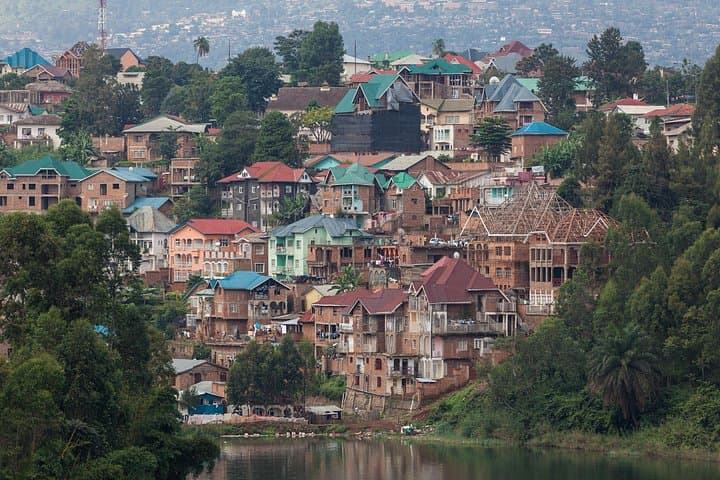
The walk begins where Lake Kivu breathes against the city—a cool breeze lifting the scent of water and diesel from the wharves as you step onto a tree-lined avenue. Guides lead small groups past low-rise Art Deco facades, through parks where lovers have left notes, and out to viewpoints that frame the lake like a lived-in photograph.
Verified experiences and guided adventures in the surrounding area.
Operated by Opatrip.com Congo · Bukavu, South Kivu
The walk begins where Lake Kivu breathes against the city—a cool breeze lifting the scent of water and diesel from the wharves as you step onto a tree-lined avenue. Guides lead small groups past low-rise Art Deco facades, through parks where lovers have left notes, and out to viewpoints that frame the lake like a lived-in photograph.
Bukavu’s streets keep traces of Belgian colonial planning: concrete and ornament from the 1930s and 1940s, public squares that once hosted colonial administrations, and a waterfront shaped by centuries of lake traffic. Geologically, the city sits on the western edge of the East African Rift; the nearby hills and islands are volcanic in origin and feed the dramatic shoreline scenery.
Local culture is a mixture of Swahili-speaking Congolese life, Bantu traditions, and urban markets selling coffee, linen, and carved goods—perfect for quiet exchanges and memorable photos. The proximity to Kahuzi-Biega National Park means gorilla country is a few hours away, giving the city a wild backdrop beyond the promenade.
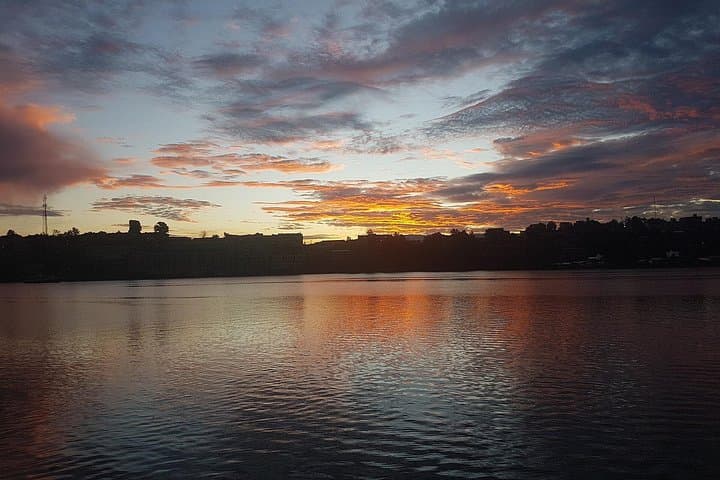
Practical guidance: plan a two-hour private walking tour that moves at an easy pace with frequent stops for stories and photos. Bring local cash for small purchases, wear comfortable closed-toe shoes for uneven sidewalks, and carry a light rain layer—tropical squalls come quickly. Respect private homes and always ask before photographing people. Evening tours capture sunset over Lake Kivu, but daytime strolls reveal architectural details and market rhythms that make Bukavu uniquely intimate.
easy.
2 hours.
Suitable for most fitness levels; requires walking on city streets for up to two hours with short pauses
The standard private tour lasts about two hours and covers central Bukavu and nearby lakeside spots.
Local guides typically speak French and Swahili; some guides may speak basic English—confirm at booking.
Bukavu is generally safe in tourist areas; stay with your guide, avoid displaying valuables, and follow local advice for neighborhoods to avoid.
Yes—private tours often accommodate proposals or special requests if arranged in advance with the operator.
Bukavu’s urban form and many Art Deco buildings date to Belgian colonial development in the early 20th century, creating a distinctive architectural record along Lake Kivu.
Support local guides and avoid single-use plastics; the health of Lake Kivu and nearby Kahuzi-Biega ecosystems depends on reduced pollution and responsible tourism.
Opatrip.com Congo operates guided outdoor trips and adventures with an emphasis on safety, stewardship, and memorable experiences.
The walk begins where Lake Kivu breathes against the city—a cool breeze lifting the scent of water and diesel from the wharves as you step onto a tree-lined avenue. Guides lead small groups past low-rise Art Deco facades, through parks where lovers have left notes, and out to viewpoints that frame the lake like a lived-in photograph.
The walk begins where Lake Kivu breathes against the city—a cool breeze lifting the scent of water and diesel from the wharves as you step onto a tree-lined avenue. Guides lead small groups past low-rise Art Deco facades, through parks where lovers have left notes, and out to viewpoints that frame the lake like a lived-in photograph.
Bukavu’s streets keep traces of Belgian colonial planning: concrete and ornament from the 1930s and 1940s, public squares that once hosted colonial administrations, and a waterfront shaped by centuries of lake traffic. Geologically, the city sits on the western edge of the East African Rift; the nearby hills and islands are volcanic in origin and feed the dramatic shoreline scenery.
Local culture is a mixture of Swahili-speaking Congolese life, Bantu traditions, and urban markets selling coffee, linen, and carved goods—perfect for quiet exchanges and memorable photos. The proximity to Kahuzi-Biega National Park means gorilla country is a few hours away, giving the city a wild backdrop beyond the promenade.
Practical guidance: plan a two-hour private walking tour that moves at an easy pace with frequent stops for stories and photos. Bring local cash for small purchases, wear comfortable closed-toe shoes for uneven sidewalks, and carry a light rain layer—tropical squalls come quickly. Respect private homes and always ask before photographing people. Evening tours capture sunset over Lake Kivu, but daytime strolls reveal architectural details and market rhythms that make Bukavu uniquely intimate.