THE ADVENTURE COLLECTIVE® · Independent discovery and booking for outdoor travel

Wander Faro’s Old Town on a private, two‑hour walking tour that blends neoclassical gateways, a cathedral with Roman and Moorish roots, tranquil gardens and the evocative Chapel of Bones. Perfect for couples seeking a compact, scenic introduction to Faro’s history and coastal light.
Wander Faro’s Old Town on a private, two‑hour walking tour that blends neoclassical gateways, a cathedral with Roman and Moorish roots, tranquil gardens and the evocative Chapel of Bones. Perfect for couples seeking a compact, scenic introduction to Faro’s history and coastal light.
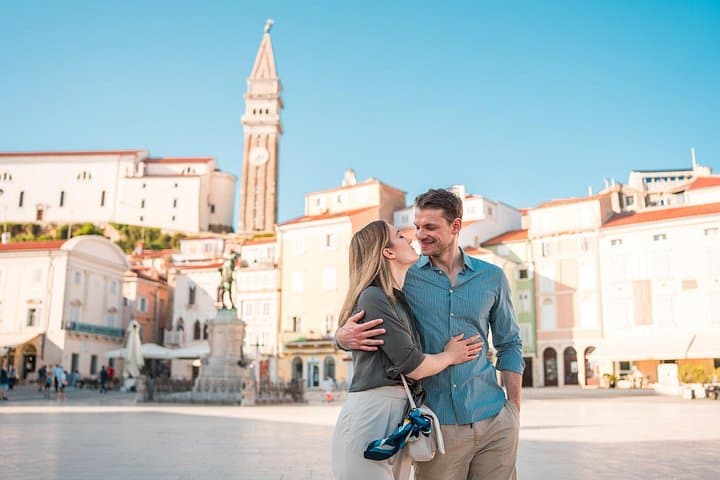
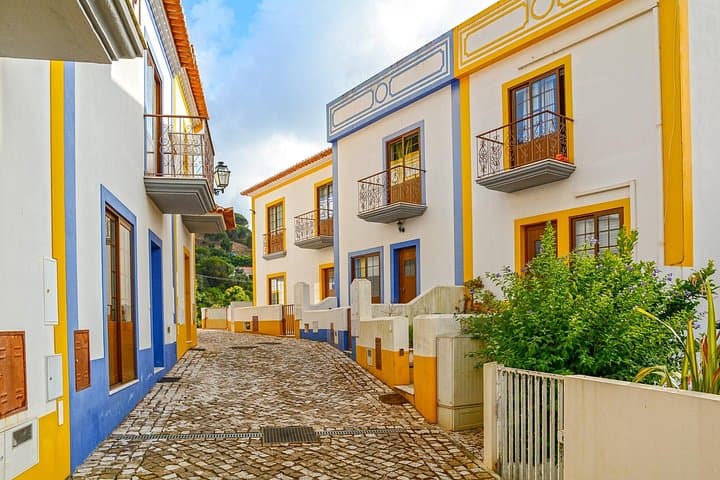
You step beneath the Arco da Vila and the city exhales: salt from the nearby Ria Formosa rides the breeze while cobbled streets tilt toward sunlit plazas. The guide leads you along narrow lanes where whitewashed facades catch late-afternoon warmth and potted geraniums lean toward passerby. Conversation falls to a hush at the Igreja de Santa Maria as the bell tower slices open a view across orange roofs to the lagoon beyond.
Verified experiences and guided adventures in the surrounding area.
Operated by Opatrip.com Portugal · Faro, Algarve
You step beneath the Arco da Vila and the city exhales: salt from the nearby Ria Formosa rides the breeze while cobbled streets tilt toward sunlit plazas. The guide leads you along narrow lanes where whitewashed facades catch late-afternoon warmth and potted geraniums lean toward passerby. Conversation falls to a hush at the Igreja de Santa Maria as the bell tower slices open a view across orange roofs to the lagoon beyond.
Faro’s story is layered—Roman foundations, an extended Moorish period, and Portuguese reconquest leave architectural fingerprints in the cathedral’s columns and the city gate’s neoclassical proportions. Geologically, the Algarve’s limestone bedrock and the sandy barriers of the Ria Formosa have shaped Faro’s coastline and its calm harbor, where wading birds mark the tidal edge.
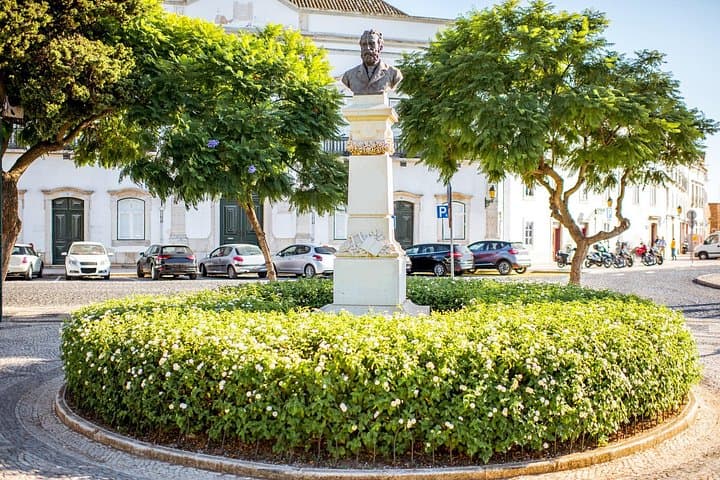
Culturally, the Old Town is a compact chapter of fishing-village life and civic pride: market smells, tile workshops, and a quieter rhythm at Jardim Manuel Bívar. The Capela dos Ossos in the Carmo complex—bones arranged with deliberate, contemplative intent—offers a stark counterpoint to the gardens’ serenity.
Practical guidance: this private, 2‑hour walking tour covers mostly flat, cobbled ground—comfortable shoes and light layers are recommended. Aim for late afternoon for softer light and cooler temperatures; spring and fall provide the most pleasant conditions. Bring a small water bottle and a camera; the bell-tower view and the garden benches are ideal stops. Public transport and short taxi rides connect Faro’s station and marina with the Old Town, and the tour’s cancellation policy allows refunds up to 24 hours ahead. Move at an easy pace, respect sacred sites (Capela dos Ossos is viewed from outside), and leave time afterward for seafood in a nearby tavern.
easy.
2 hours.
Suitable for all fitness levels; requires standing and short walking stretches on uneven cobbles.
The tour runs about two hours at a relaxed, walk-and-stop pace with brief pauses for views and explanations.
The chapel is noted on the route but usually observed from the exterior during this walking tour—entry may require separate admission and timing.
The tour is private and can accommodate some needs; reach out when booking to confirm specifics.
A full refund is available if you cancel at least 24 hours before the scheduled departure; no refund for cancellations less than 24 hours prior.
Faro grew from a Roman settlement to a Moorish medina before becoming a Portuguese port; many Old Town buildings reuse foundations and materials from earlier eras.
The nearby Ria Formosa is a protected lagoon system—stay on marked paths, avoid disturbing birdlife, and minimize single-use plastics to limit local impact.
Opatrip.com Portugal operates guided outdoor trips and adventures with an emphasis on safety, stewardship, and memorable experiences.

You step beneath the Arco da Vila and the city exhales: salt from the nearby Ria Formosa rides the breeze while cobbled streets tilt toward sunlit plazas. The guide leads you along narrow lanes where whitewashed facades catch late-afternoon warmth and potted geraniums lean toward passerby. Conversation falls to a hush at the Igreja de Santa Maria as the bell tower slices open a view across orange roofs to the lagoon beyond.
You step beneath the Arco da Vila and the city exhales: salt from the nearby Ria Formosa rides the breeze while cobbled streets tilt toward sunlit plazas. The guide leads you along narrow lanes where whitewashed facades catch late-afternoon warmth and potted geraniums lean toward passerby. Conversation falls to a hush at the Igreja de Santa Maria as the bell tower slices open a view across orange roofs to the lagoon beyond.
Faro’s story is layered—Roman foundations, an extended Moorish period, and Portuguese reconquest leave architectural fingerprints in the cathedral’s columns and the city gate’s neoclassical proportions. Geologically, the Algarve’s limestone bedrock and the sandy barriers of the Ria Formosa have shaped Faro’s coastline and its calm harbor, where wading birds mark the tidal edge.
Culturally, the Old Town is a compact chapter of fishing-village life and civic pride: market smells, tile workshops, and a quieter rhythm at Jardim Manuel Bívar. The Capela dos Ossos in the Carmo complex—bones arranged with deliberate, contemplative intent—offers a stark counterpoint to the gardens’ serenity.
Practical guidance: this private, 2‑hour walking tour covers mostly flat, cobbled ground—comfortable shoes and light layers are recommended. Aim for late afternoon for softer light and cooler temperatures; spring and fall provide the most pleasant conditions. Bring a small water bottle and a camera; the bell-tower view and the garden benches are ideal stops. Public transport and short taxi rides connect Faro’s station and marina with the Old Town, and the tour’s cancellation policy allows refunds up to 24 hours ahead. Move at an easy pace, respect sacred sites (Capela dos Ossos is viewed from outside), and leave time afterward for seafood in a nearby tavern.