THE ADVENTURE COLLECTIVE® · Independent discovery and booking for outdoor travel

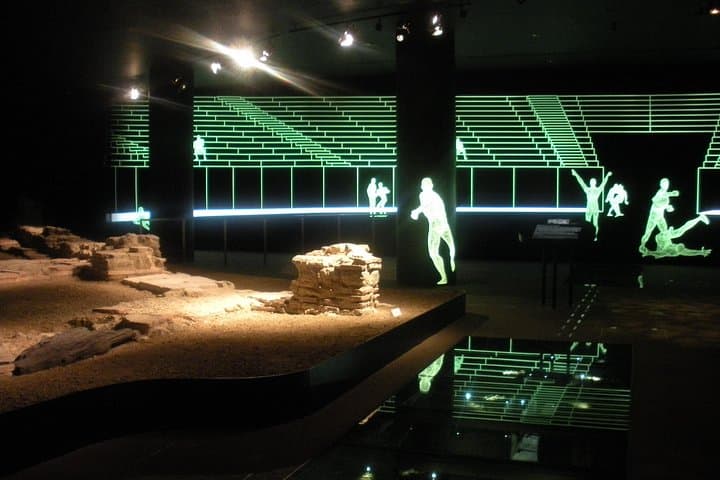
Walk the bones of Londinium through the City of London on a private 3–4 hour tour that reveals buried walls, a Roman amphitheatre and the Mithraeum tucked beneath modern streets. Ideal for history fans who want close-up archaeology and local context without the crowds.
Walk the bones of Londinium through the City of London on a private 3–4 hour tour that reveals buried walls, a Roman amphitheatre and the Mithraeum tucked beneath modern streets. Ideal for history fans who want close-up archaeology and local context without the crowds.
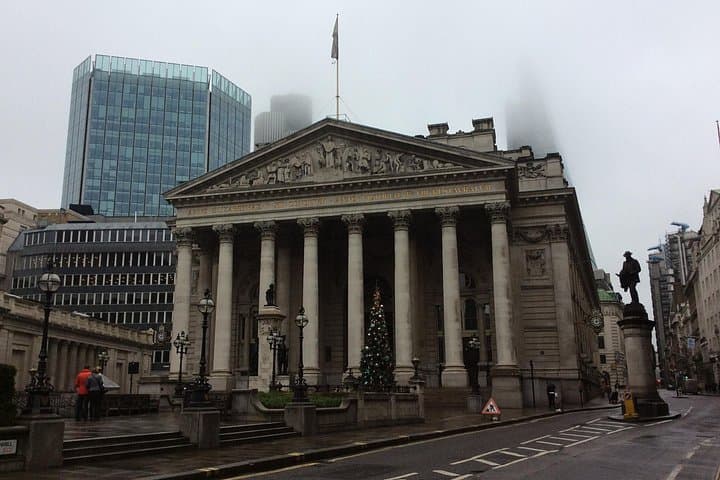
You begin in the shadow of St Paul’s, where stone and glass argue over skyline rights and a Roman temple once claimed the same ground.
Verified experiences and guided adventures in the surrounding area.
Operated by Ye Olde England Tours · City of London, England
You begin in the shadow of St Paul’s, where stone and glass argue over skyline rights and a Roman temple once claimed the same ground.
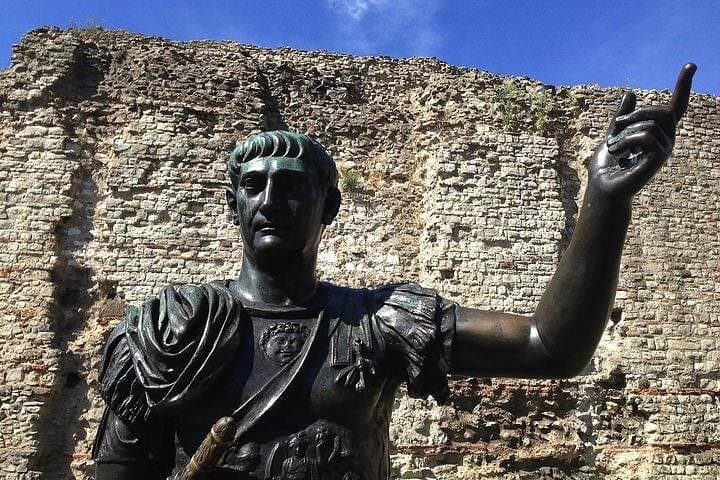
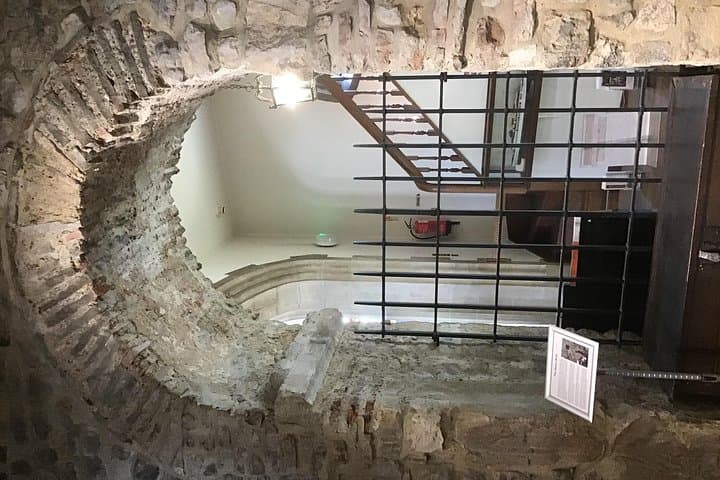
The guide leads you off the beaten pavement into narrow alleys, past unremarkable façades that suddenly part to reveal masonry two millennia old. Sunlight cuts through a slit between high-rises and picks out an ancient flint wall; footsteps echo where gladiators once stood under Roman London’s streets.
History is immediate here: Londinium was founded by Romans in the mid-first century AD as a trading port on the Thames. The City’s surviving wall, gates and fragments—unearthed, covered and reburied by successive rebuilds—trace the footprint of an imperial grid reincorporated into a modern financial district. Geology is subtle: reclaimed river terraces and compacted alluvium underlie the streets, which explains why Roman timber and stone survive in pockets underground.
Local culture fuses civic pomp with working-class grit—livery halls, markets and a multi-layered city plan tell a story of continuous adaptation. Museum displays and the Mithraeum put finds in context; small inscriptions and reused masonry are the sort of details a private guide highlights.
Practical guidance: expect 3–4 hours of walking on paved streets, some stair descent to underground sites, and intermittent museum entry. Dress smart-casual but choose sturdy shoes and a weatherproof layer—London weather is as changeable as its architecture. Plan for mid-morning starts to avoid rush-hour crowds and bring a compact bag for layers, water and a camera—this is a tour that rewards close observation more than high vistas.
moderate.
3–4 hours.
Reasonable fitness for continuous walking and short stair descents; comfortable on-city walking stamina required
Yes—children with an interest in history can enjoy it, but expect 3–4 hours of walking; inquire about a tailored pace when booking.
Some underground sites require admission; the tour description lists which stops include entry and when advance booking is needed.
Typically near St Paul’s Cathedral; exact meeting point is confirmed at booking and may include nearby plazas for easy identification.
Many streets are accessible, but several underground sites and narrow passages have stairs—contact the operator ahead to discuss specific accessibility needs.
Romans founded Londinium in the mid-1st century AD; the city expanded around a defensive wall and river port that shaped medieval and modern London.
Urban archaeological sites here are conserved through museum exhibits and limited-access ruins—respect barriers and avoid touching exposed masonry to help preserve fragile remains.
Ye Olde England Tours operates guided outdoor trips and adventures with an emphasis on safety, stewardship, and memorable experiences.
You begin in the shadow of St Paul’s, where stone and glass argue over skyline rights and a Roman temple once claimed the same ground.
You begin in the shadow of St Paul’s, where stone and glass argue over skyline rights and a Roman temple once claimed the same ground.
The guide leads you off the beaten pavement into narrow alleys, past unremarkable façades that suddenly part to reveal masonry two millennia old. Sunlight cuts through a slit between high-rises and picks out an ancient flint wall; footsteps echo where gladiators once stood under Roman London’s streets.
History is immediate here: Londinium was founded by Romans in the mid-first century AD as a trading port on the Thames. The City’s surviving wall, gates and fragments—unearthed, covered and reburied by successive rebuilds—trace the footprint of an imperial grid reincorporated into a modern financial district. Geology is subtle: reclaimed river terraces and compacted alluvium underlie the streets, which explains why Roman timber and stone survive in pockets underground.
Local culture fuses civic pomp with working-class grit—livery halls, markets and a multi-layered city plan tell a story of continuous adaptation. Museum displays and the Mithraeum put finds in context; small inscriptions and reused masonry are the sort of details a private guide highlights.
Practical guidance: expect 3–4 hours of walking on paved streets, some stair descent to underground sites, and intermittent museum entry. Dress smart-casual but choose sturdy shoes and a weatherproof layer—London weather is as changeable as its architecture. Plan for mid-morning starts to avoid rush-hour crowds and bring a compact bag for layers, water and a camera—this is a tour that rewards close observation more than high vistas.