THE ADVENTURE COLLECTIVE® · Independent discovery and booking for outdoor travel

Bike quiet lanes to three 9th-century temples, then cross to Kompong Phluk by boat to witness Tonle Sap village life. This private eight-hour tour pairs low-traffic cycling with an immersive floating-village visit.
Bike quiet lanes to three 9th-century temples, then cross to Kompong Phluk by boat to witness Tonle Sap village life. This private eight-hour tour pairs low-traffic cycling with an immersive floating-village visit.
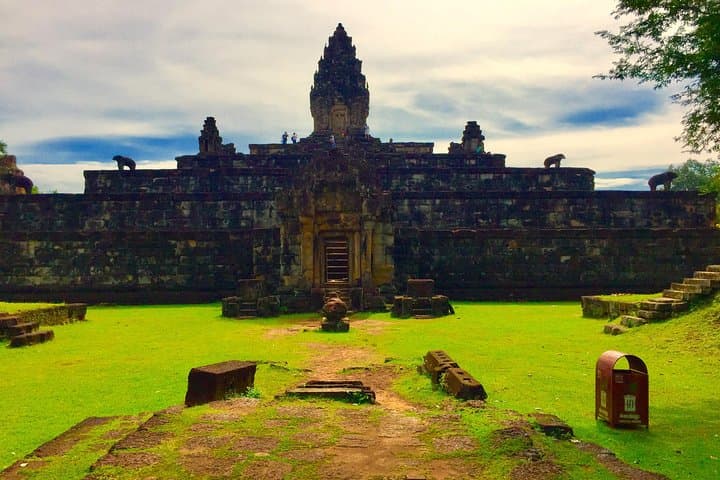
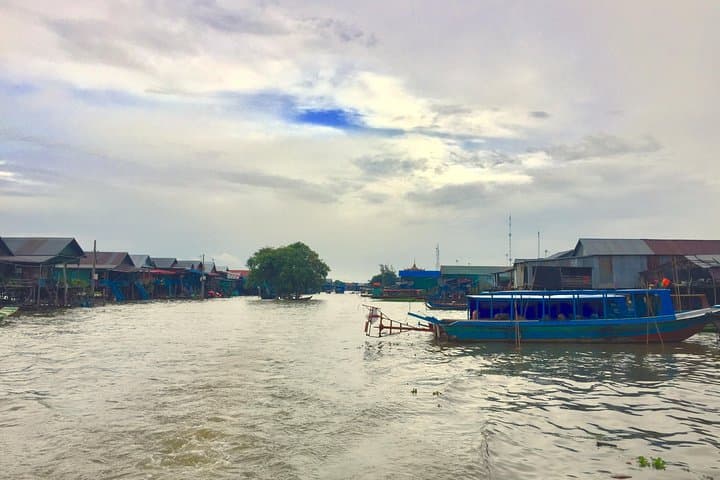
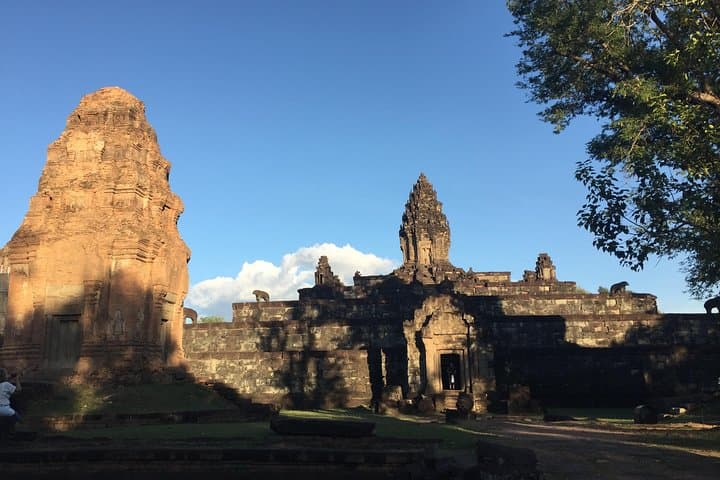
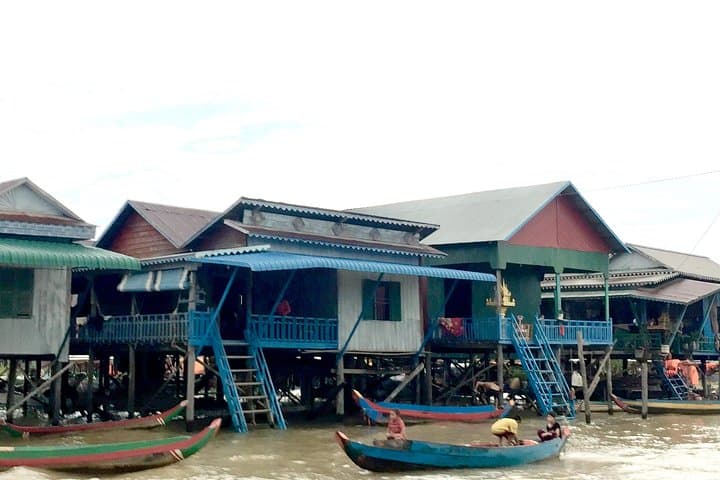
Dawn light strips across cracked red brick towers as you pedal out of your hotel and into fields where water buffalo lift slow shapes in the mist. Narrow village lanes push you forward; children wave from wooden porches, and the early heat already tugs at your shirt. The ride threads three 9th-century Roluos temples—Preah Ko, Bakong and Lolei—each a chapter in early Khmer stonework, before a dusty road leads to the Tonle Sap and the stilted houses of Kompong Phluk.
Verified experiences and guided adventures in the surrounding area.
Operated by Siem Reap Biking Tour · Siem Reap, Siem Reap Province
Dawn light strips across cracked red brick towers as you pedal out of your hotel and into fields where water buffalo lift slow shapes in the mist. Narrow village lanes push you forward; children wave from wooden porches, and the early heat already tugs at your shirt. The ride threads three 9th-century Roluos temples—Preah Ko, Bakong and Lolei—each a chapter in early Khmer stonework, before a dusty road leads to the Tonle Sap and the stilted houses of Kompong Phluk.
The Roluos Group represents the first large-scale use of sandstone in Khmer temple mountains; Bakong’s stepped profile foreshadows Angkorian ambitions. Geologically, the region sits on sedimentary plains that the Tonle Sap floods seasonally, the lake breathing life into fisheries and floating settlements. Culturally the route is working Cambodia: rice paddies, village schools, and boat platforms where fishing families read the rise and fall of the lake.
Practical guidance is straightforward. A one-day Angkor pass (approximately $37) is required for temple entry—carry a passport or copy. Expect rough, sometimes dusty lanes; a standard touring bike is adequate, and a tuk‑tuk follows the group for luggage or tired riders. The Kompong Phluk boat ride varies with water level—high water brings submerged forests and easy docking; low water reveals stilt posts and expanded mudflats. Bring sunscreen, mosquito repellent and a refillable water bottle; lunches are commonly taken on floating restaurants. The pace is unhurried but active: you’ll pedal 20–35 km across mixed surfaces, then relax on slow-moving water as the Tonle Sap dares you to slow down and look closely.
moderate.
6–8 hours.
Moderate fitness: comfortable with 20–35 km of flat to uneven cycling and short periods of standing on a boat
Yes—temple entry requires an Angkor pass (one-day passes are approximately $37). Carry your passport or a copy for ticketing.
Standard bicycles and an English-speaking guide are provided; helmets are typically available but confirm availability when booking.
Boat trips are a common local transport; children are allowed but require supervision and life jackets when available—ask the operator for child safety options.
Monsoon seasons raise water levels and expand accessible waterways; low water may expose mudflats and change docking—operators adapt routing but check cancellation and refund terms.
The Roluos Group marks the emergence of temple-mountain architecture in early Angkorian Cambodia; Bakong is an early example of a crowned stepped pyramid built in sandstone.
Tonle Sap’s seasonal flood pulse is critical to regional fisheries; choose operators who respect water-based communities and avoid disturbing breeding sites.
Siem Reap Biking Tour operates guided outdoor trips and adventures with an emphasis on safety, stewardship, and memorable experiences.
Dawn light strips across cracked red brick towers as you pedal out of your hotel and into fields where water buffalo lift slow shapes in the mist. Narrow village lanes push you forward; children wave from wooden porches, and the early heat already tugs at your shirt. The ride threads three 9th-century Roluos temples—Preah Ko, Bakong and Lolei—each a chapter in early Khmer stonework, before a dusty road leads to the Tonle Sap and the stilted houses of Kompong Phluk.
Dawn light strips across cracked red brick towers as you pedal out of your hotel and into fields where water buffalo lift slow shapes in the mist. Narrow village lanes push you forward; children wave from wooden porches, and the early heat already tugs at your shirt. The ride threads three 9th-century Roluos temples—Preah Ko, Bakong and Lolei—each a chapter in early Khmer stonework, before a dusty road leads to the Tonle Sap and the stilted houses of Kompong Phluk.
The Roluos Group represents the first large-scale use of sandstone in Khmer temple mountains; Bakong’s stepped profile foreshadows Angkorian ambitions. Geologically, the region sits on sedimentary plains that the Tonle Sap floods seasonally, the lake breathing life into fisheries and floating settlements. Culturally the route is working Cambodia: rice paddies, village schools, and boat platforms where fishing families read the rise and fall of the lake.
Practical guidance is straightforward. A one-day Angkor pass (approximately $37) is required for temple entry—carry a passport or copy. Expect rough, sometimes dusty lanes; a standard touring bike is adequate, and a tuk‑tuk follows the group for luggage or tired riders. The Kompong Phluk boat ride varies with water level—high water brings submerged forests and easy docking; low water reveals stilt posts and expanded mudflats. Bring sunscreen, mosquito repellent and a refillable water bottle; lunches are commonly taken on floating restaurants. The pace is unhurried but active: you’ll pedal 20–35 km across mixed surfaces, then relax on slow-moving water as the Tonle Sap dares you to slow down and look closely.