THE ADVENTURE COLLECTIVE® · Independent discovery and booking for outdoor travel

Ride a classic black cab across Chelsea, Barnes, Twickenham and Richmond to visit the pubs, studios and streets where the Rolling Stones formed their sound. This five‑hour private tour blends music history with riverside London scenery and short on‑foot stops.
Ride a classic black cab across Chelsea, Barnes, Twickenham and Richmond to visit the pubs, studios and streets where the Rolling Stones formed their sound. This five‑hour private tour blends music history with riverside London scenery and short on‑foot stops.
The taxi pulls up under a flat London sky and the city unfolds like a scratched vinyl record: brick terraces, narrow pubs, and a ribbon of river where the Stones learned to sound like themselves. Passengers settle into a traditional black cab for a five‑hour private drive through Chelsea, Barnes, Twickenham and Richmond — neighborhoods that shaped the band’s early years.
Verified experiences and guided adventures in the surrounding area.
Operated by Brit Music Tours · London, Greater London
The taxi pulls up under a flat London sky and the city unfolds like a scratched vinyl record: brick terraces, narrow pubs, and a ribbon of river where the Stones learned to sound like themselves. Passengers settle into a traditional black cab for a five‑hour private drive through Chelsea, Barnes, Twickenham and Richmond — neighborhoods that shaped the band’s early years.
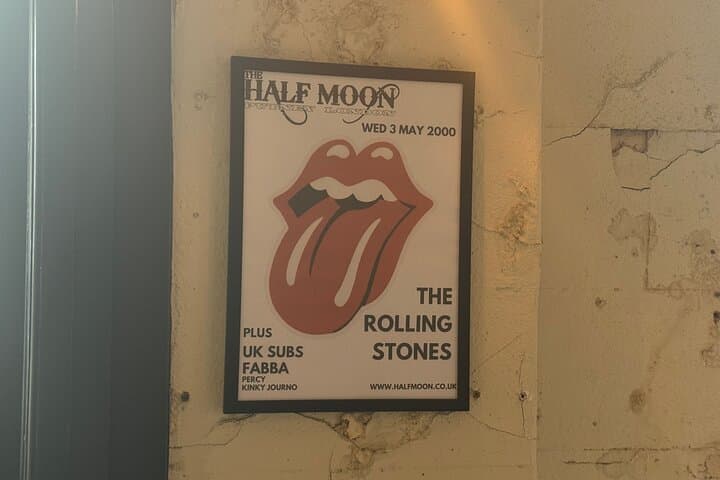
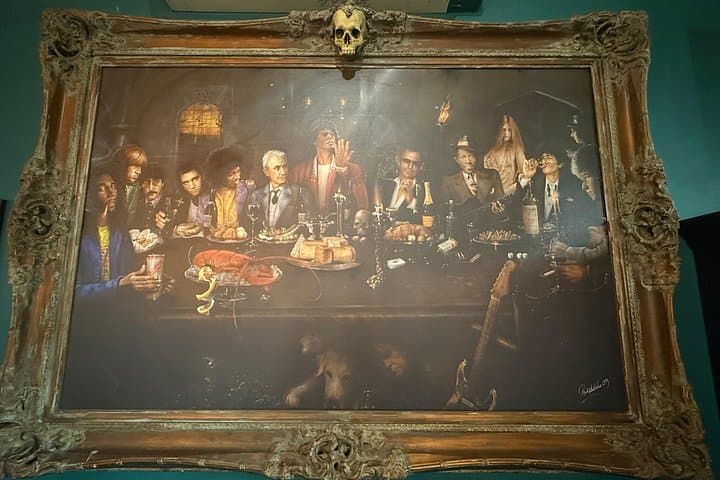
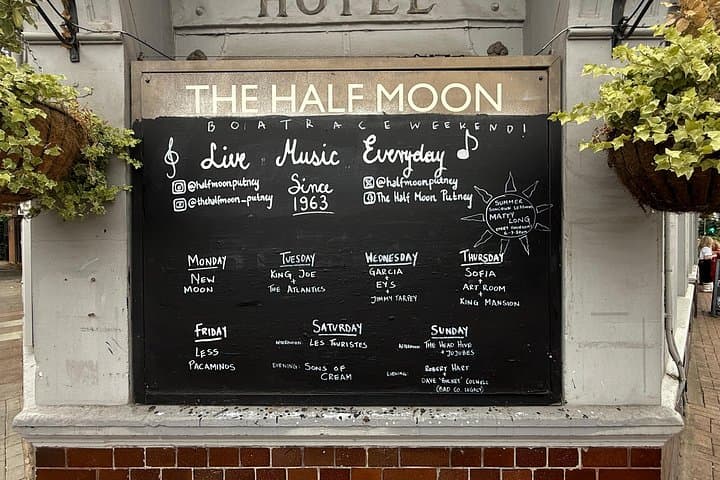
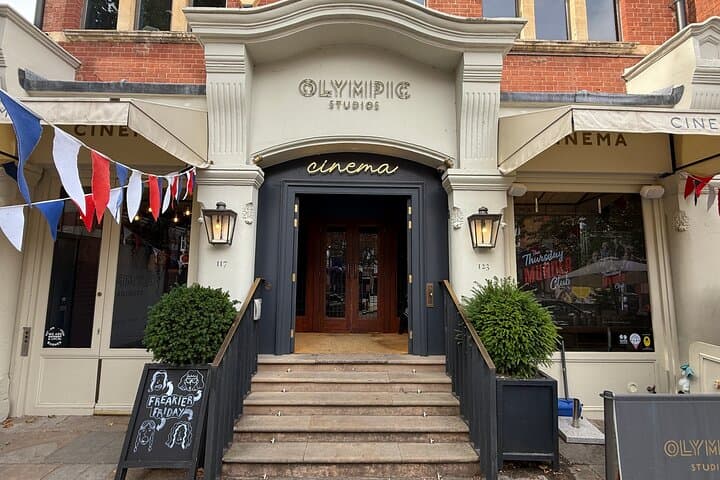
This route follows tangible chapters of 1960s London pop culture. In Chelsea you’ll stand outside the Edith Grove flat and the Saatchi Gallery site of the Chelsea Drugstore from the band’s iconography. In Barnes, Olympic Studios’ concrete façade hints at sessions where the Stones cut classic albums; in Putney the Half Moon pub still hosts live music the way it did for early British blues nights. Richmond and Twickenham close the loop with Crawdaddy Club lore, Eel Pie Island’s raucous hotel venue history, and riverside vistas that fed songlines like “Gimme Shelter.”
Geology and geography play a quiet role: the Thames’ tidal pull directed where venues and train lines grew, concentrating scenes in riverside towns. Culturally, this tour maps music, youth subculture, and post‑war London’s move from working‑class clubs to global stages.
Practical guidance: expect a mix of curbside stops and short walks; wear comfortable shoes and a weatherproof layer; plan hotel pickup if you want fewer transfers. Bring a camera, a contactless travel card or Oyster for quick local travel, and time to linger at pubs that still play the songs that were written here.
easy.
5 hours.
Suitable for people who can manage short walks and several curbside stops; no special fitness required.
Pickup from central London hotels is offered as an option—confirm at booking and allow time for street access.
The tour’s policy allows a full refund if you cancel at least 24 hours before departure; check the operator’s terms for exceptions.
The tour is suitable for most fitness levels, but it’s not recommended for travelers with spinal injuries; contact the operator to discuss specific accessibility needs.
Most studio interiors and private venues are viewed externally; photography rules vary—follow signage and staff instructions at each stop.
The Rolling Stones formed in early‑1960s London; the clubs and studios on this route were hubs for blues revivalists who shaped British rock.
Respect private property and local residents when stopping outside homes; support independent venues and pubs to help preserve cultural heritage.
Brit Music Tours operates guided outdoor trips and adventures with an emphasis on safety, stewardship, and memorable experiences.
The taxi pulls up under a flat London sky and the city unfolds like a scratched vinyl record: brick terraces, narrow pubs, and a ribbon of river where the Stones learned to sound like themselves. Passengers settle into a traditional black cab for a five‑hour private drive through Chelsea, Barnes, Twickenham and Richmond — neighborhoods that shaped the band’s early years.
The taxi pulls up under a flat London sky and the city unfolds like a scratched vinyl record: brick terraces, narrow pubs, and a ribbon of river where the Stones learned to sound like themselves. Passengers settle into a traditional black cab for a five‑hour private drive through Chelsea, Barnes, Twickenham and Richmond — neighborhoods that shaped the band’s early years.
This route follows tangible chapters of 1960s London pop culture. In Chelsea you’ll stand outside the Edith Grove flat and the Saatchi Gallery site of the Chelsea Drugstore from the band’s iconography. In Barnes, Olympic Studios’ concrete façade hints at sessions where the Stones cut classic albums; in Putney the Half Moon pub still hosts live music the way it did for early British blues nights. Richmond and Twickenham close the loop with Crawdaddy Club lore, Eel Pie Island’s raucous hotel venue history, and riverside vistas that fed songlines like “Gimme Shelter.”
Geology and geography play a quiet role: the Thames’ tidal pull directed where venues and train lines grew, concentrating scenes in riverside towns. Culturally, this tour maps music, youth subculture, and post‑war London’s move from working‑class clubs to global stages.
Practical guidance: expect a mix of curbside stops and short walks; wear comfortable shoes and a weatherproof layer; plan hotel pickup if you want fewer transfers. Bring a camera, a contactless travel card or Oyster for quick local travel, and time to linger at pubs that still play the songs that were written here.