THE ADVENTURE COLLECTIVE® · Independent discovery and booking for outdoor travel

Skip the queue and step into Hôtel Biron’s calm gardens to experience Rodin’s sculptures with a mobile audio guide. Learn when to arrive, what the ticket actually looks like, and how to navigate the museum’s layout for the best visit.
Skip the queue and step into Hôtel Biron’s calm gardens to experience Rodin’s sculptures with a mobile audio guide. Learn when to arrive, what the ticket actually looks like, and how to navigate the museum’s layout for the best visit.
A late-morning sun threads between chestnut trees as you step through the wrought-iron gate of the Hôtel Biron and into a garden where bronze and cast stone sit like companions in conversation. The Thinker watches over the path, bronze skin catching light; voices lower and footsteps become part of the exhibit.
Verified experiences and guided adventures in the surrounding area.
Operated by Binge Tours · Paris, Île-de-France
A late-morning sun threads between chestnut trees as you step through the wrought-iron gate of the Hôtel Biron and into a garden where bronze and cast stone sit like companions in conversation. The Thinker watches over the path, bronze skin catching light; voices lower and footsteps become part of the exhibit.
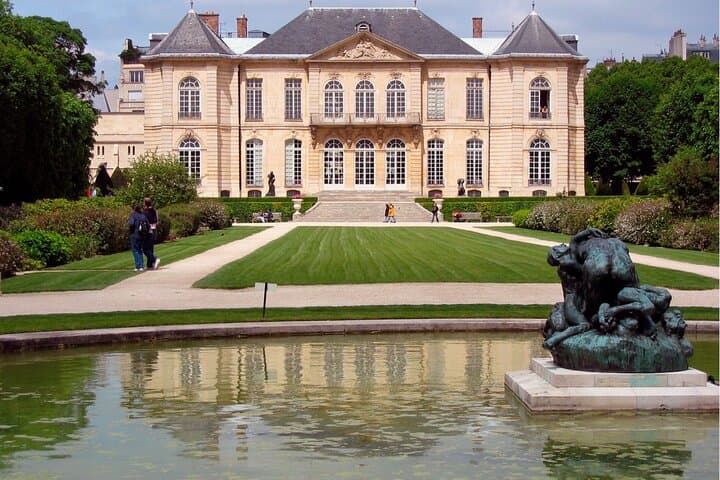
The house itself dates to the 18th century; Rodin began donating works and the collection was placed at the site in the 1910s, establishing the Musée Rodin as a focused home for his sculptures and drawings. The compact grounds and formal French garden make the museum an urban breathing room — stone pathways, clipped hedges, and castings arranged to invite close inspection. The surrounding arrondissement carries Paris’s layered history: grand hôtels particuliers, ministries, and cafés that have serviced artists and officials for centuries.
Plan to spend 60–180 minutes. Your booking provides a skip-the-line entry and a mobile audio guide accessed through a separate link and PDF ticket — the museum requires the official QR-code PDF for entry, not the booking confirmation. Bags larger than a small daypack are not permitted; lockers are limited. Photography of sculptures for personal use is generally allowed but flash and tripods are restricted. Winters can be brisk in the garden; summers fill with midday visitors, so early or late slots make for a quieter visit.
Practical prep: download the audio app and ticket PDF, bring a charged phone and comfortable shoes for gravel paths, and carry a small bottle of water. Respect the works — do not touch the sculptures — and allow time to sit in the garden and let the pieces settle into view.
easy.
1–3 hours.
Suitable for all fitness levels; expect standing and light walking on gravel and stone floors.
No — the museum requires the official PDF ticket with QR code on your phone; just download it before arrival.
Yes — a mobile audio guide link is provided separately and must be accessed via the app or web link sent with your ticket.
The museum and gardens are generally wheelchair accessible, but some historic rooms may have steps — contact the museum for detailed accessibility arrangements.
Yes — the museum is closed Mondays, January 1, May 1 and December 25 and follow posted opening hours with last admission 45 minutes before closing.
Auguste Rodin gifted many of his works to the French state in the 1910s; the Hôtel Biron became the museum site soon after, concentrating his casts and studies in a domestic setting.
The museum focuses on preventive conservation and limits direct contact with works; visitors should avoid touching sculptures and follow signage to protect surfaces and garden plantings.
Binge Tours operates guided outdoor trips and adventures with an emphasis on safety, stewardship, and memorable experiences.
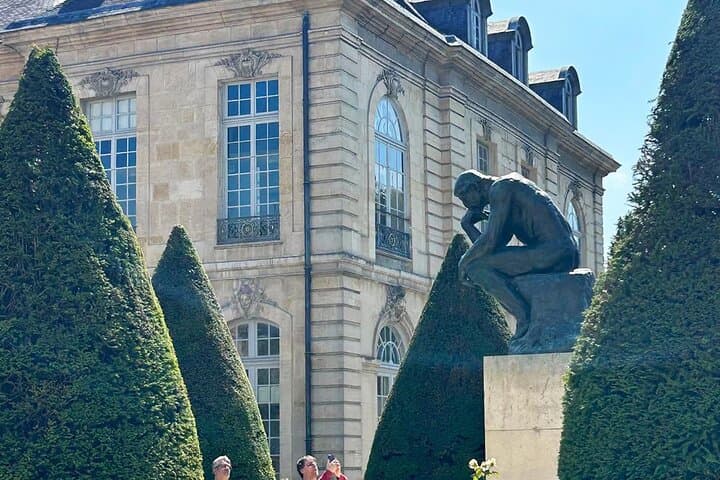
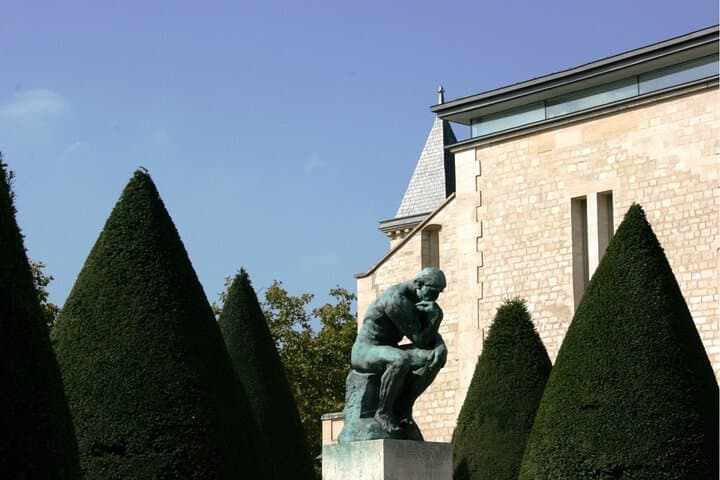
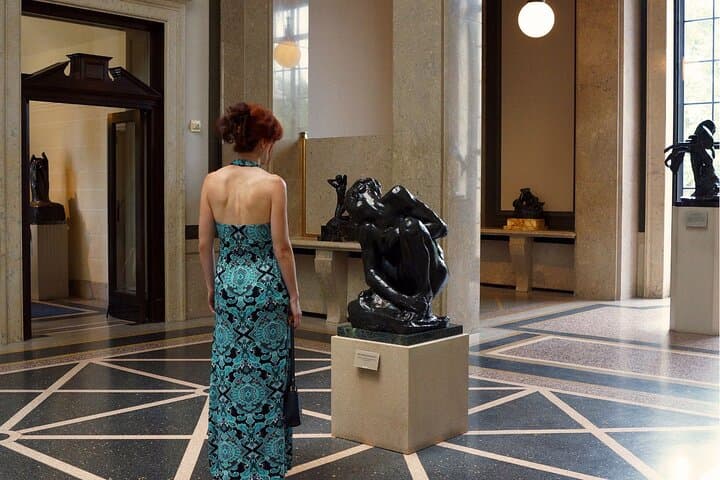
A late-morning sun threads between chestnut trees as you step through the wrought-iron gate of the Hôtel Biron and into a garden where bronze and cast stone sit like companions in conversation. The Thinker watches over the path, bronze skin catching light; voices lower and footsteps become part of the exhibit.
A late-morning sun threads between chestnut trees as you step through the wrought-iron gate of the Hôtel Biron and into a garden where bronze and cast stone sit like companions in conversation. The Thinker watches over the path, bronze skin catching light; voices lower and footsteps become part of the exhibit.
The house itself dates to the 18th century; Rodin began donating works and the collection was placed at the site in the 1910s, establishing the Musée Rodin as a focused home for his sculptures and drawings. The compact grounds and formal French garden make the museum an urban breathing room — stone pathways, clipped hedges, and castings arranged to invite close inspection. The surrounding arrondissement carries Paris’s layered history: grand hôtels particuliers, ministries, and cafés that have serviced artists and officials for centuries.
Plan to spend 60–180 minutes. Your booking provides a skip-the-line entry and a mobile audio guide accessed through a separate link and PDF ticket — the museum requires the official QR-code PDF for entry, not the booking confirmation. Bags larger than a small daypack are not permitted; lockers are limited. Photography of sculptures for personal use is generally allowed but flash and tripods are restricted. Winters can be brisk in the garden; summers fill with midday visitors, so early or late slots make for a quieter visit.
Practical prep: download the audio app and ticket PDF, bring a charged phone and comfortable shoes for gravel paths, and carry a small bottle of water. Respect the works — do not touch the sculptures — and allow time to sit in the garden and let the pieces settle into view.