THE ADVENTURE COLLECTIVE® · Independent discovery and booking for outdoor travel

Spend two hours exploring Chautauqua Park’s meadows and mixed conifer forest with an experienced forager. Learn to identify edible, medicinal and poisonous plants and fungi while hiking accessible singletrack in the Boulder foothills.
Spend two hours exploring Chautauqua Park’s meadows and mixed conifer forest with an experienced forager. Learn to identify edible, medicinal and poisonous plants and fungi while hiking accessible singletrack in the Boulder foothills.
A cool morning unfurls at Chautauqua Park, the Flatirons brushing the sky as you meet the guide by the ranger cabin. The meadow smells of damp earth and sage; a small stream threads through willows and dares you to follow. Over two hours you move from open grass into mixed pine and fir, eyes trained on leaves, caps and stems while the guide narrates the landscape.
Verified experiences and guided adventures in the surrounding area.
Operated by Rocky Mountain Foraging · Boulder, Colorado
A cool morning unfurls at Chautauqua Park, the Flatirons brushing the sky as you meet the guide by the ranger cabin. The meadow smells of damp earth and sage; a small stream threads through willows and dares you to follow. Over two hours you move from open grass into mixed pine and fir, eyes trained on leaves, caps and stems while the guide narrates the landscape.
This stretch of the Boulder foothills sits at roughly 5,400–6,000 ft, the geology a scrape of ancient sedimentary rock uplifted by the Rocky Mountain building events. Human history here mixes Ute presence, early settlers, and modern conservation—trail etiquette and plant stewardship have become part of local lore.
Expect close-up lessons in identification: edible greens, medicinal herbs and warnings about look-alike toxic fungi. The terrain is singletrack and meadow paths with modest elevation gain—typically 2–3 miles and 300–600 ft of climbing—so pace is conversational and observational.
Practical guidance: wear sturdy shoes with traction, carry at least 1 L of water (bottled water provided but bring extras in summer), and layer for rapid weather changes—afternoon thunderstorms are common. Never consume plants or mushrooms without the guide’s clear identification. Bring a camera and notebook; collection bags and a foraging knife are provided when appropriate, but local rules and seasonal regulations limit what can be harvested.
The experience blends natural history, practical skills and respectful foraging ethics—leave the place better than you found it and you’ll leave with knowledge that lasts longer than any sample in your hand.
moderate.
2 hours.
Moderate fitness—able to hike 2–3 miles on uneven ground with short elevation gain
Some items may be collected when legally and ethically appropriate; the guide will indicate what can be harvested and provide collection bags and a foraging knife when permitted.
The listing notes stroller and wheelchair accessibility for sections near the trailhead, but the guided hike itself is easiest for children who can walk short distances on uneven ground—check with the operator about specific accessibility needs.
Meet at the main trail intersection near the ranger cabin at Chautauqua Park; the guide will wear a green hat with a cactus and carry a black backpack.
Service animals are allowed, but general pets are typically not recommended; confirm with the operator if you plan to bring a pet.
The Boulder foothills have long been used by Indigenous peoples and later miners and settlers; modern trails reflect a conservation ethos developed in the 20th century.
Practice low-impact foraging: take photos, limit harvests, and follow local rules—Boulder’s trails are actively managed to protect sensitive plant communities.
Rocky Mountain Foraging operates guided outdoor trips and adventures with an emphasis on safety, stewardship, and memorable experiences.
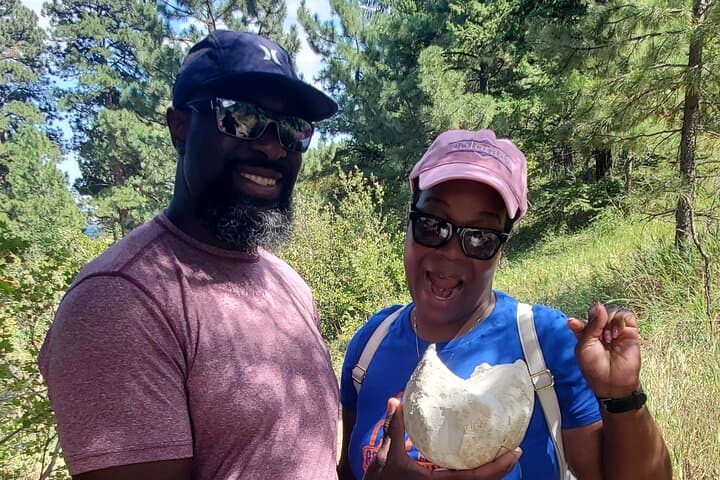
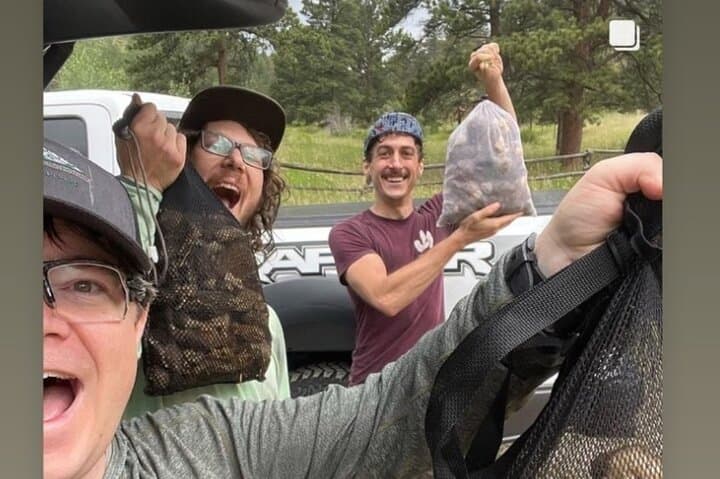
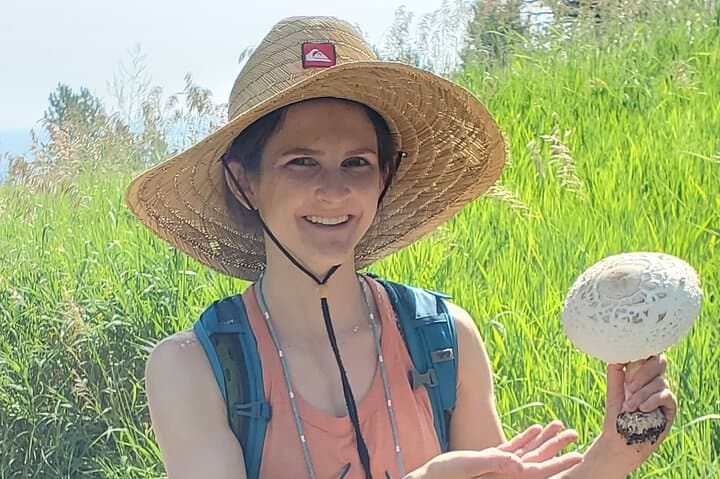
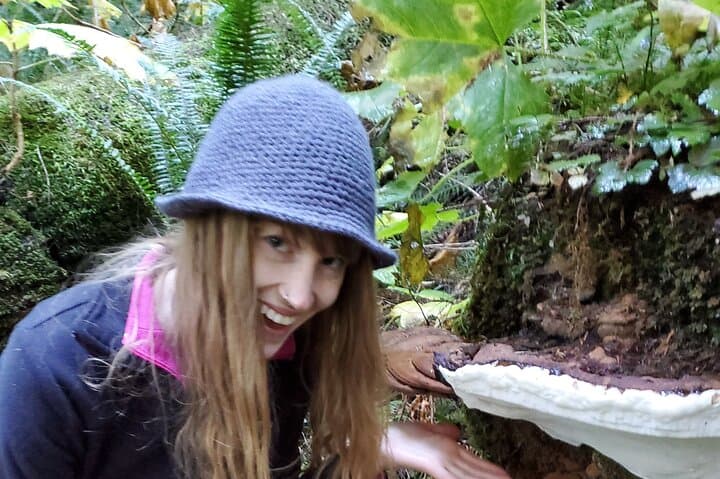
A cool morning unfurls at Chautauqua Park, the Flatirons brushing the sky as you meet the guide by the ranger cabin. The meadow smells of damp earth and sage; a small stream threads through willows and dares you to follow. Over two hours you move from open grass into mixed pine and fir, eyes trained on leaves, caps and stems while the guide narrates the landscape.
A cool morning unfurls at Chautauqua Park, the Flatirons brushing the sky as you meet the guide by the ranger cabin. The meadow smells of damp earth and sage; a small stream threads through willows and dares you to follow. Over two hours you move from open grass into mixed pine and fir, eyes trained on leaves, caps and stems while the guide narrates the landscape.
This stretch of the Boulder foothills sits at roughly 5,400–6,000 ft, the geology a scrape of ancient sedimentary rock uplifted by the Rocky Mountain building events. Human history here mixes Ute presence, early settlers, and modern conservation—trail etiquette and plant stewardship have become part of local lore.
Expect close-up lessons in identification: edible greens, medicinal herbs and warnings about look-alike toxic fungi. The terrain is singletrack and meadow paths with modest elevation gain—typically 2–3 miles and 300–600 ft of climbing—so pace is conversational and observational.
Practical guidance: wear sturdy shoes with traction, carry at least 1 L of water (bottled water provided but bring extras in summer), and layer for rapid weather changes—afternoon thunderstorms are common. Never consume plants or mushrooms without the guide’s clear identification. Bring a camera and notebook; collection bags and a foraging knife are provided when appropriate, but local rules and seasonal regulations limit what can be harvested.
The experience blends natural history, practical skills and respectful foraging ethics—leave the place better than you found it and you’ll leave with knowledge that lasts longer than any sample in your hand.