THE ADVENTURE COLLECTIVE® · Independent discovery and booking for outdoor travel

Scale Rio de Janeiro’s iconic granite formations with certified guides offering routes for all skill levels. Experience breathtaking views of the city and bay while mastering the art of rock climbing at Sugarloaf and Morro da Urca.
Scale Rio de Janeiro’s iconic granite formations with certified guides offering routes for all skill levels. Experience breathtaking views of the city and bay while mastering the art of rock climbing at Sugarloaf and Morro da Urca.
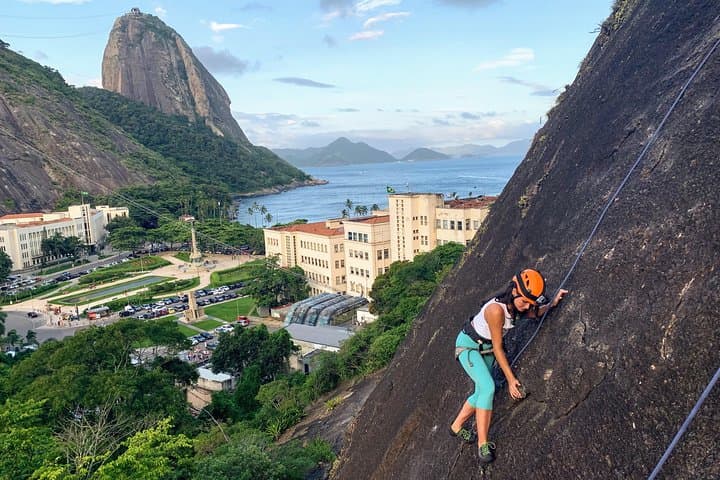
The morning light spills over the sprawling cityscape of Rio de Janeiro, the humid breeze brushing past the sharply jagged granite faces of Sugarloaf Mountain and Morro da Urca as climbers prepare to ascend. Here, in the lively Urca neighborhood, the city’s unique geology invites adventurers to scale rock formations that have both challenged and enchanted locals and visitors alike.
Verified experiences and guided adventures in the surrounding area.
Operated by Itaway Ecotours · Rio de Janeiro, Rio de Janeiro
The morning light spills over the sprawling cityscape of Rio de Janeiro, the humid breeze brushing past the sharply jagged granite faces of Sugarloaf Mountain and Morro da Urca as climbers prepare to ascend. Here, in the lively Urca neighborhood, the city’s unique geology invites adventurers to scale rock formations that have both challenged and enchanted locals and visitors alike.
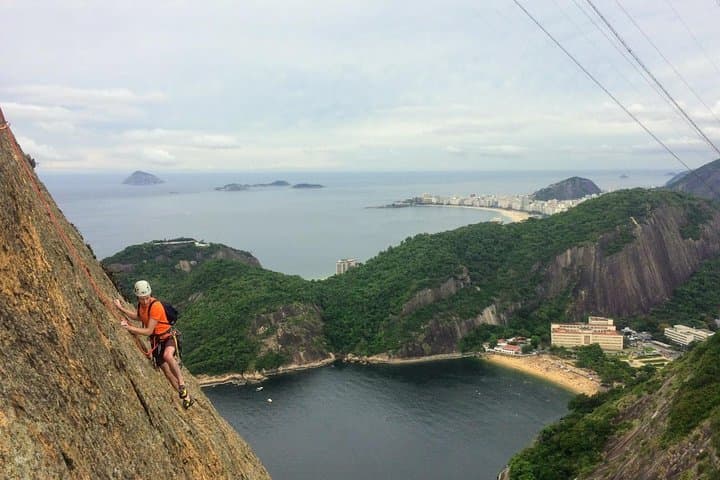
Rio’s granite cliffs rise abruptly from the Atlantic, carved millions of years ago when magma cooled under the Earth’s surface. Over centuries, erosion sculpted these dramatic monoliths, making them perfect natural climbing walls. Sugarloaf, the most renowned, draws climbers not just for its technical routes but for the shifting panoramas across Guanabara Bay and beyond — the city’s patchwork of beaches, favelas, and forested hills spreads below like a living map.
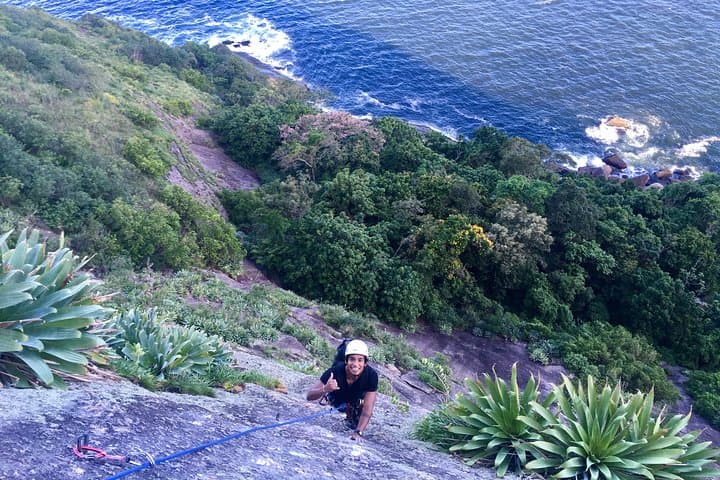
Unlike the city’s bustling streets, these climbing spots offer a striking contrast: calm, focus, and a tactile connection to the rock. Climbers rely on certified instructors who tailor routes from gentle top-rope climbs for beginners to multi-pitch challenges for more experienced mountaineers. The shared rope between climber and guide transforms each ascent into a partnership, bringing safety and one-on-one coaching.
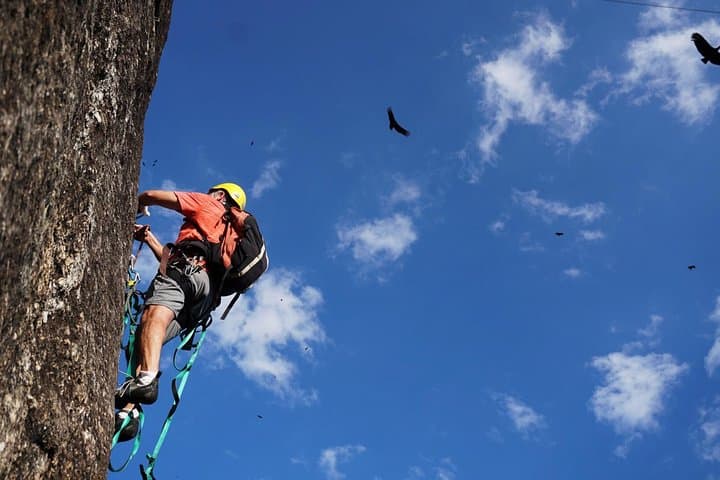
As you climb, the granite listens — your grip edging into cracks, your feet pressing against sun-warmed stone. The air carries the distant hum of cable cars ferrying tourists up Morro da Urca, reminding you how accessible these imposing peaks are, even as they demand your full attention.
Getting started is straightforward: meet your guide at Praça General Tibúrcio, beneath the large angel statue anchoring the square. Here, equipment is fitted—harness, helmet, shoes—and a brief orientation sets expectations. Routes vary in length and difficulty, typically lasting three hours, balancing technical challenge with the vibrant city views.
Rio’s climbing scene is culturally layered; locals embrace the rock for sport and solace amid a sprawling metropolis. Sustainability is a growing focus, with climbers encouraged to minimize impact, use existing anchors, and respect native flora and fauna. Hydrating in the humid heat and timing climbs for early mornings or late afternoons avoids the strongest sun.
This tour caters to all skill levels but requires a moderate level of fitness, and it’s not recommended for those with spinal issues or pregnant visitors. While public transportation is accessible nearby, arriving early ensures time to acclimate and check gear. Whether your goal is summiting Sugarloaf or sampling multiple routes at Morro da Urca, Rio’s granite walls promise an urban climbing experience unlike any other.
moderate.
3 hours.
Moderate physical fitness needed to handle vertical ascents and maintain stamina in humid conditions.
No, this tour accommodates all levels, with routes and instruction tailored to your ability.
Both start and end points are at Praça General Tibúrcio near the angel statue in Urca district.
Certified instructors provide equipment, direct supervision, and safety briefings to all participants.
Yes, tours include options to climb Sugarloaf or Morro da Urca depending on your skill and preference.
Yes, several public transit options serve the Urca neighborhood close to Praça General Tibúrcio.
The tour is typically recommended for older children or teenagers who can safely follow instructions and have appropriate fitness.
These granite peaks have long been landmarks for Rio’s indigenous peoples and early settlers, forming part of the city’s geographic identity since before urban development.
Climbing groups adhere to strict guidelines protecting native vegetation and wildlife habitats, promoting a Leave No Trace ethic in this urban natural environment.
Itaway Ecotours operates guided outdoor trips and adventures with an emphasis on safety, stewardship, and memorable experiences.
The morning light spills over the sprawling cityscape of Rio de Janeiro, the humid breeze brushing past the sharply jagged granite faces of Sugarloaf Mountain and Morro da Urca as climbers prepare to ascend. Here, in the lively Urca neighborhood, the city’s unique geology invites adventurers to scale rock formations that have both challenged and enchanted locals and visitors alike.
The morning light spills over the sprawling cityscape of Rio de Janeiro, the humid breeze brushing past the sharply jagged granite faces of Sugarloaf Mountain and Morro da Urca as climbers prepare to ascend. Here, in the lively Urca neighborhood, the city’s unique geology invites adventurers to scale rock formations that have both challenged and enchanted locals and visitors alike.
Rio’s granite cliffs rise abruptly from the Atlantic, carved millions of years ago when magma cooled under the Earth’s surface. Over centuries, erosion sculpted these dramatic monoliths, making them perfect natural climbing walls. Sugarloaf, the most renowned, draws climbers not just for its technical routes but for the shifting panoramas across Guanabara Bay and beyond — the city’s patchwork of beaches, favelas, and forested hills spreads below like a living map.
Unlike the city’s bustling streets, these climbing spots offer a striking contrast: calm, focus, and a tactile connection to the rock. Climbers rely on certified instructors who tailor routes from gentle top-rope climbs for beginners to multi-pitch challenges for more experienced mountaineers. The shared rope between climber and guide transforms each ascent into a partnership, bringing safety and one-on-one coaching.
As you climb, the granite listens — your grip edging into cracks, your feet pressing against sun-warmed stone. The air carries the distant hum of cable cars ferrying tourists up Morro da Urca, reminding you how accessible these imposing peaks are, even as they demand your full attention.
Getting started is straightforward: meet your guide at Praça General Tibúrcio, beneath the large angel statue anchoring the square. Here, equipment is fitted—harness, helmet, shoes—and a brief orientation sets expectations. Routes vary in length and difficulty, typically lasting three hours, balancing technical challenge with the vibrant city views.
Rio’s climbing scene is culturally layered; locals embrace the rock for sport and solace amid a sprawling metropolis. Sustainability is a growing focus, with climbers encouraged to minimize impact, use existing anchors, and respect native flora and fauna. Hydrating in the humid heat and timing climbs for early mornings or late afternoons avoids the strongest sun.
This tour caters to all skill levels but requires a moderate level of fitness, and it’s not recommended for those with spinal issues or pregnant visitors. While public transportation is accessible nearby, arriving early ensures time to acclimate and check gear. Whether your goal is summiting Sugarloaf or sampling multiple routes at Morro da Urca, Rio’s granite walls promise an urban climbing experience unlike any other.