THE ADVENTURE COLLECTIVE® · Independent discovery and booking for outdoor travel

Climb limestone walls in Puerto Rico’s Northern Karst with AMGA-certified guides at Roca Norte. This private, family-friendly two-hour experience offers three beginner routes, on-site facilities, and easy access to nearby beaches and springs.
Climb limestone walls in Puerto Rico’s Northern Karst with AMGA-certified guides at Roca Norte. This private, family-friendly two-hour experience offers three beginner routes, on-site facilities, and easy access to nearby beaches and springs.
The morning air tastes of limestone dust and sea salt as the group steps from a shaded garden into a rocky forest where sheer walls rise like cut pages. Guides—AMGA SPI certified and PR-DRD licensed—move with quiet efficiency, clipping harnesses, sizing shoes, and reading faces for excitement and nerves. In two hours at Roca Norte, beginners learn the basics on three well-bolted routes while more experienced climbers can push onto steeper lines that test technique and composure.
Verified experiences and guided adventures in the surrounding area.
Operated by Roca Norte Outdoor Climbing Gym · Vega Baja, Puerto Rico
The morning air tastes of limestone dust and sea salt as the group steps from a shaded garden into a rocky forest where sheer walls rise like cut pages. Guides—AMGA SPI certified and PR-DRD licensed—move with quiet efficiency, clipping harnesses, sizing shoes, and reading faces for excitement and nerves. In two hours at Roca Norte, beginners learn the basics on three well-bolted routes while more experienced climbers can push onto steeper lines that test technique and composure.
This strip of the Northern Karst tells its story in caves, sinkholes, and jagged mogotes: ancient coral and marine sediments folded and dissolved into vertical faces that climbers now use as a classroom. The karst landscape shaped local life for centuries—Taíno communities made use of caves and freshwater springs, and later sugar and cattle economies adjusted to the porous ground. Today the cliffs at Roca Norte sit close to accessible coastal attractions—Puerto Nuevo Beach’s natural pools and the Tortuguero spring—making a half-day of climbing an easy pivot into swimming or a seafood lunch.
Culturally, the guides lean on island knowledge as much as rope skills. Expect clear instruction laced with practical Puerto Rican logistics—where to stop for coffee, which sandy cove to visit when you finish, and how tides affect coastal pools. The property itself is private and off the beaten path: a short walk from the roadside garden puts you directly into a limestone amphitheater. Facilities include bathrooms and showers, and the operation is family-friendly and wheelchair-accessible in parts, though climbing itself requires mobility.
Practicalities matter here. Roca Norte supplies all climbing gear and shoes; wear comfortable, grippy footwear for the approach and sun protection for exposed belay stations. Routes are short—typically single-pitch 10–30 meters—so the climbing is approachable, but expect moderate exertion: pulling on small edges, trusting footholds, and following a guide’s commands. Weather can change quickly on the north coast; guides cancel during unsafe conditions.
For planning: book the private two-hour session if you want focused instruction, arrive hydrated and rested, and leave room in your afternoon for Puerto Nuevo’s tidal pools or a local mofongo lunch. Whether it’s a first lead or a confidence-building top-rope session, Roca Norte makes the karst come alive: the rock invites you up and the island’s coastline dares you to stay for the view.
moderate.
2 hours.
Moderate fitness—comfortable with short bursts of upper-body effort, balance, and hiking on uneven ground
No—this activity is designed for beginners and experienced climbers; guides teach basic techniques and manage belaying.
Families are welcome and guides can tailor routes for children, but youths should be able to follow safety instructions and fit available harnesses.
Yes—climbing harnesses, helmets, ropes, and climbing shoes are provided as part of the experience.
The operator cancels in unsafe conditions; since all sales are final, check weather forecasts and contact the provider about rescheduling options before booking.
Yes—the climbing area is a few steps from the roadside garden; there is easy access and on-site bathrooms and showers.
Yes—participants can upgrade to more difficult routes if guides assess skill and safety; request this when booking or on-site.
The Northern Karst formed from uplifted coral and marine deposits; Taíno peoples and later settlers used caves and springs for water and shelter.
Karst aquifers and cave systems are sensitive—stay on established areas, pack out trash, and follow guide instructions to limit erosion and disturbance.
Roca Norte Outdoor Climbing Gym operates guided outdoor trips and adventures with an emphasis on safety, stewardship, and memorable experiences.
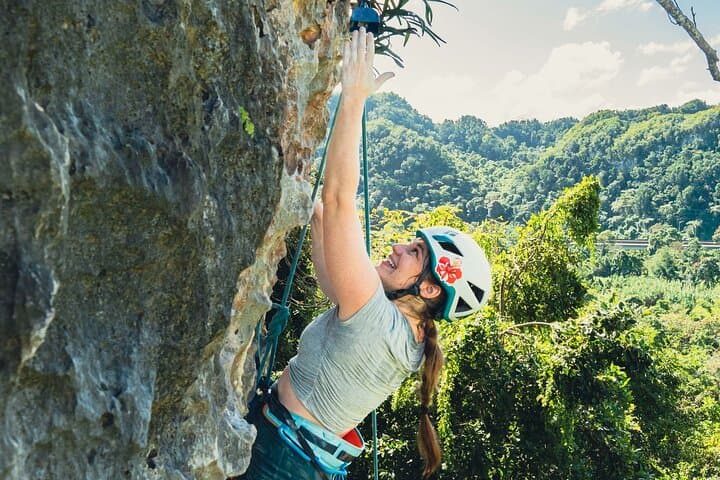
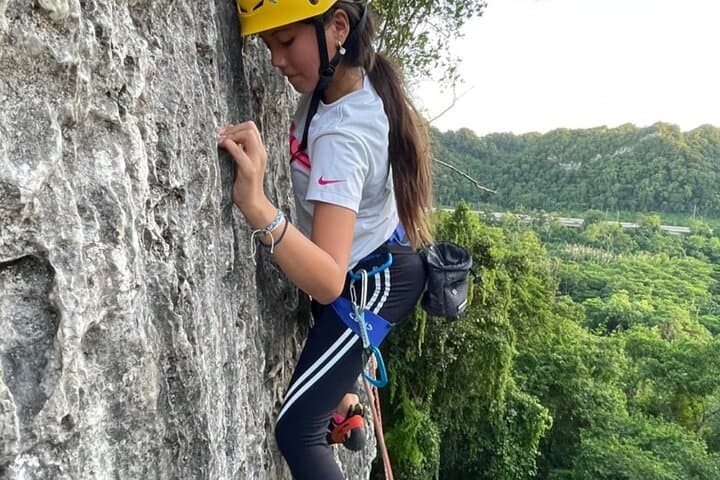
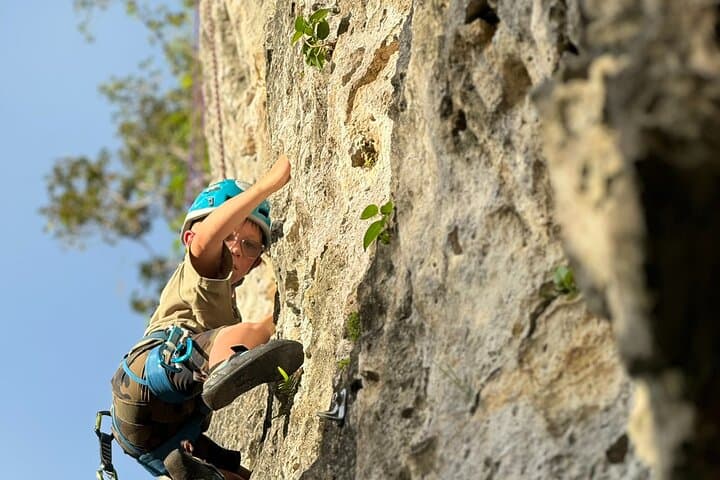
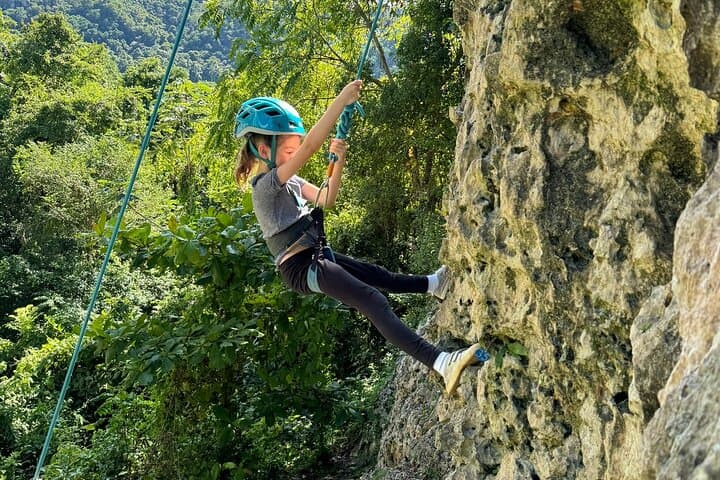
The morning air tastes of limestone dust and sea salt as the group steps from a shaded garden into a rocky forest where sheer walls rise like cut pages. Guides—AMGA SPI certified and PR-DRD licensed—move with quiet efficiency, clipping harnesses, sizing shoes, and reading faces for excitement and nerves. In two hours at Roca Norte, beginners learn the basics on three well-bolted routes while more experienced climbers can push onto steeper lines that test technique and composure.
The morning air tastes of limestone dust and sea salt as the group steps from a shaded garden into a rocky forest where sheer walls rise like cut pages. Guides—AMGA SPI certified and PR-DRD licensed—move with quiet efficiency, clipping harnesses, sizing shoes, and reading faces for excitement and nerves. In two hours at Roca Norte, beginners learn the basics on three well-bolted routes while more experienced climbers can push onto steeper lines that test technique and composure.
This strip of the Northern Karst tells its story in caves, sinkholes, and jagged mogotes: ancient coral and marine sediments folded and dissolved into vertical faces that climbers now use as a classroom. The karst landscape shaped local life for centuries—Taíno communities made use of caves and freshwater springs, and later sugar and cattle economies adjusted to the porous ground. Today the cliffs at Roca Norte sit close to accessible coastal attractions—Puerto Nuevo Beach’s natural pools and the Tortuguero spring—making a half-day of climbing an easy pivot into swimming or a seafood lunch.
Culturally, the guides lean on island knowledge as much as rope skills. Expect clear instruction laced with practical Puerto Rican logistics—where to stop for coffee, which sandy cove to visit when you finish, and how tides affect coastal pools. The property itself is private and off the beaten path: a short walk from the roadside garden puts you directly into a limestone amphitheater. Facilities include bathrooms and showers, and the operation is family-friendly and wheelchair-accessible in parts, though climbing itself requires mobility.
Practicalities matter here. Roca Norte supplies all climbing gear and shoes; wear comfortable, grippy footwear for the approach and sun protection for exposed belay stations. Routes are short—typically single-pitch 10–30 meters—so the climbing is approachable, but expect moderate exertion: pulling on small edges, trusting footholds, and following a guide’s commands. Weather can change quickly on the north coast; guides cancel during unsafe conditions.
For planning: book the private two-hour session if you want focused instruction, arrive hydrated and rested, and leave room in your afternoon for Puerto Nuevo’s tidal pools or a local mofongo lunch. Whether it’s a first lead or a confidence-building top-rope session, Roca Norte makes the karst come alive: the rock invites you up and the island’s coastline dares you to stay for the view.