THE ADVENTURE COLLECTIVE® · Independent discovery and booking for outdoor travel

Short pitches, sea-slick rock and the roar of surf set the scene for a beginner-friendly climbing session at Powillimount Beach. Expect technical coaching, short abseils through a cave, and an easy post-climb beach picnic.
Short pitches, sea-slick rock and the roar of surf set the scene for a beginner-friendly climbing session at Powillimount Beach. Expect technical coaching, short abseils through a cave, and an easy post-climb beach picnic.
A wedge of wind, a slap of surf and the grit of sandstone under your fingertips: this is how a day at Powillimount Beach begins. Park among dune grasses, follow a five‑minute walk across packed sand and the cliff rises, a low, weathered wall pocked with holds and a cave that mouths onto the sea. Guides tuck harnesses and helmets into the slope like well‑used tools of hospitality; soon you’re clipped in and listening for the voice of the coach over the hiss of waves.
Verified experiences and guided adventures in the surrounding area.
Operated by Daniel Johnston · Stranraer, Dumfries and Galloway
A wedge of wind, a slap of surf and the grit of sandstone under your fingertips: this is how a day at Powillimount Beach begins. Park among dune grasses, follow a five‑minute walk across packed sand and the cliff rises, a low, weathered wall pocked with holds and a cave that mouths onto the sea. Guides tuck harnesses and helmets into the slope like well‑used tools of hospitality; soon you’re clipped in and listening for the voice of the coach over the hiss of waves.
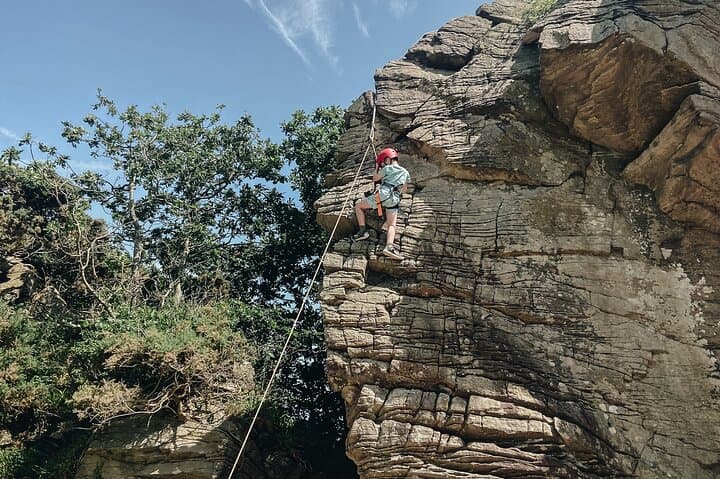
The cliffs here are compact but varied—short pitches that reward technique more than brute force. Geologically, the rock is part of the Old Red Sandstone outcrops that fringe parts of southern Scotland, shaped by ancient rivers and honed by tidal spray. Locals have used these coves for centuries: fishermen launching inshore boats, smugglers moving at night, and now climbers testing friction on sea‑sheened faces. The beach’s human scale—small groups, a white van with climbing kit—keeps the atmosphere informal and social.
Culturally the area is quieter than tourist magnets to the north; communities in Dumfries and Galloway have a pragmatic relationship with the coast. Guides here emphasize low‑impact practice: leave no trace on the narrow access, avoid trampling vegetation, and respect nesting seasons when birds claim the cliff ledges. The sea is businesslike—tides and swell dictate when the cave is safe for abseil work, and guides will cancel in rough conditions.
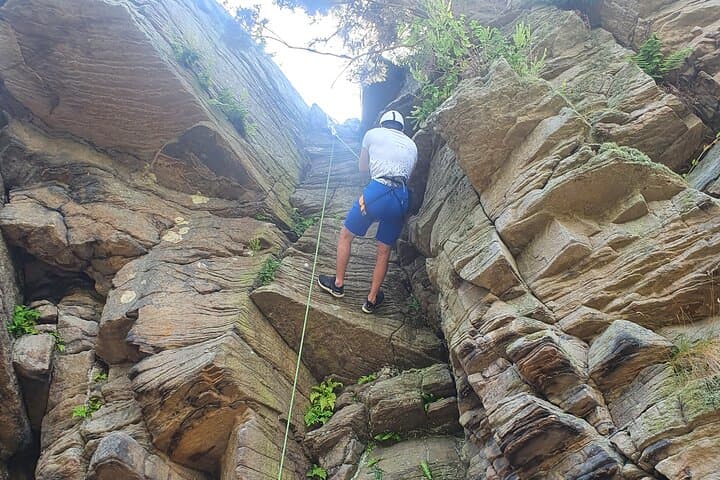
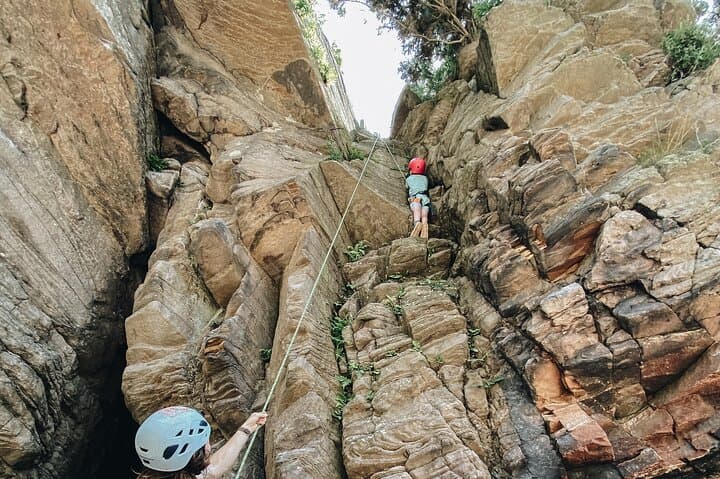
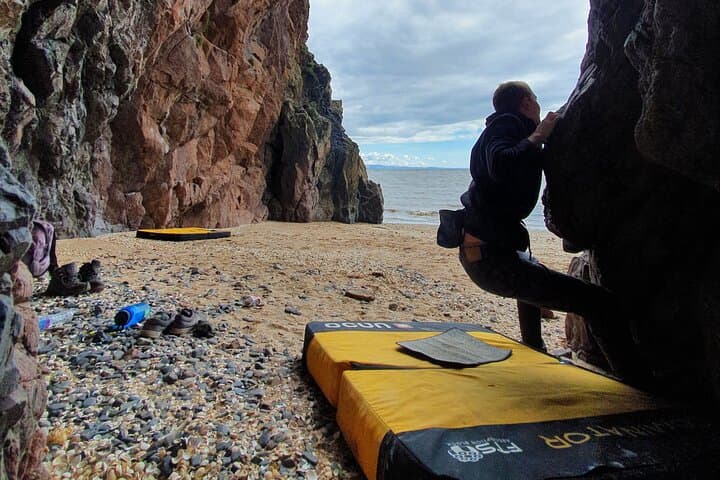
For climbers, this is an approachable coastal introduction. Routes range from easy top‑rope lines to short boulder problems and guided abseils through a cave roof if you want a dramatized descent. Sessions typically run 2–2.5 hours for groups of 2–6; the operator supplies helmets, harnesses and ropes and will teach belay basics and movement techniques suitable for beginners and intermediate climbers.
Practical notes: wear sturdy shoes with good traction for the short walk and damp rock; a light waterproof and layers are wise because weather shifts fast on the coast. Bring water, snacks, and a picnic if you plan to linger—the beach is popular for barbecues after a session. Book early in summer weekends and call the guide in advance to match tides and forecast to your booking time.
Safety and comfort are front and center: the operator asks about spinal, heart and pregnancy restrictions, and recommends moderate fitness. If you’ve never belayed, the guide will teach you; if you’re already confident, ask for slightly more technical lines. Whatever your level, the combination of sea air, low cliffs and focused coaching makes Powillimount a coastal climb that feels both immediate and achievable.
moderate.
2–2.5 hours.
Moderate cardiovascular fitness and basic upper‑body stamina; able to climb or stand on feet for short periods.
No—this experience is designed for beginners to intermediate climbers; guides will teach basic movement and belaying techniques.
The operator accepts participants of all ages but bookings ask for age details—children should be supervised and meet the physical expectations.
Sessions may be canceled for high winds or swell; full refund if canceled more than 24 hours ahead, otherwise contact the operator for rescheduling.
Yes—harnesses, helmets, ropes and safety equipment are supplied as part of the booking.
Yes, but follow local rules about fires and always bring a means to fully extinguish and pack out charcoal or waste.
Public transport options are available nearby, but drivers typically meet at the Powillimount Beach parking area; check pickup instructions when booking.
The coastal rock here formed from ancient fluvial deposits; local coves were historically used by small‑boat fishers and occasional clandestine landings.
Guides emphasize leave‑no‑trace coastal practices and avoid cliff ledges during seabird nesting season to minimize disturbance.
Daniel Johnston operates guided outdoor trips and adventures with an emphasis on safety, stewardship, and memorable experiences.
A wedge of wind, a slap of surf and the grit of sandstone under your fingertips: this is how a day at Powillimount Beach begins. Park among dune grasses, follow a five‑minute walk across packed sand and the cliff rises, a low, weathered wall pocked with holds and a cave that mouths onto the sea. Guides tuck harnesses and helmets into the slope like well‑used tools of hospitality; soon you’re clipped in and listening for the voice of the coach over the hiss of waves.
A wedge of wind, a slap of surf and the grit of sandstone under your fingertips: this is how a day at Powillimount Beach begins. Park among dune grasses, follow a five‑minute walk across packed sand and the cliff rises, a low, weathered wall pocked with holds and a cave that mouths onto the sea. Guides tuck harnesses and helmets into the slope like well‑used tools of hospitality; soon you’re clipped in and listening for the voice of the coach over the hiss of waves.
The cliffs here are compact but varied—short pitches that reward technique more than brute force. Geologically, the rock is part of the Old Red Sandstone outcrops that fringe parts of southern Scotland, shaped by ancient rivers and honed by tidal spray. Locals have used these coves for centuries: fishermen launching inshore boats, smugglers moving at night, and now climbers testing friction on sea‑sheened faces. The beach’s human scale—small groups, a white van with climbing kit—keeps the atmosphere informal and social.
Culturally the area is quieter than tourist magnets to the north; communities in Dumfries and Galloway have a pragmatic relationship with the coast. Guides here emphasize low‑impact practice: leave no trace on the narrow access, avoid trampling vegetation, and respect nesting seasons when birds claim the cliff ledges. The sea is businesslike—tides and swell dictate when the cave is safe for abseil work, and guides will cancel in rough conditions.
For climbers, this is an approachable coastal introduction. Routes range from easy top‑rope lines to short boulder problems and guided abseils through a cave roof if you want a dramatized descent. Sessions typically run 2–2.5 hours for groups of 2–6; the operator supplies helmets, harnesses and ropes and will teach belay basics and movement techniques suitable for beginners and intermediate climbers.
Practical notes: wear sturdy shoes with good traction for the short walk and damp rock; a light waterproof and layers are wise because weather shifts fast on the coast. Bring water, snacks, and a picnic if you plan to linger—the beach is popular for barbecues after a session. Book early in summer weekends and call the guide in advance to match tides and forecast to your booking time.
Safety and comfort are front and center: the operator asks about spinal, heart and pregnancy restrictions, and recommends moderate fitness. If you’ve never belayed, the guide will teach you; if you’re already confident, ask for slightly more technical lines. Whatever your level, the combination of sea air, low cliffs and focused coaching makes Powillimount a coastal climb that feels both immediate and achievable.