THE ADVENTURE COLLECTIVE® · Independent discovery and booking for outdoor travel

Spend a day climbing the natural crags of Kathmandu Valley—choose routes at Nagarjun, Hattiban, or Bimal Nagar with an experienced guide. This six-hour tour pairs accessible climbing with forest approaches and local insight, perfect for beginners and seasoned climbers alike.
Spend a day climbing the natural crags of Kathmandu Valley—choose routes at Nagarjun, Hattiban, or Bimal Nagar with an experienced guide. This six-hour tour pairs accessible climbing with forest approaches and local insight, perfect for beginners and seasoned climbers alike.
You leave Thamel behind before the city heat builds—rickshaws thin out, prayer flags flutter over narrow lanes—and in 30 minutes the pavements give way to scrub and the first vertical faces of the Kathmandu Valley appear.
Verified experiences and guided adventures in the surrounding area.
Operated by Alpine Club of Himalaya · Kathmandu, Bagmati Province
You leave Thamel behind before the city heat builds—rickshaws thin out, prayer flags flutter over narrow lanes—and in 30 minutes the pavements give way to scrub and the first vertical faces of the Kathmandu Valley appear.
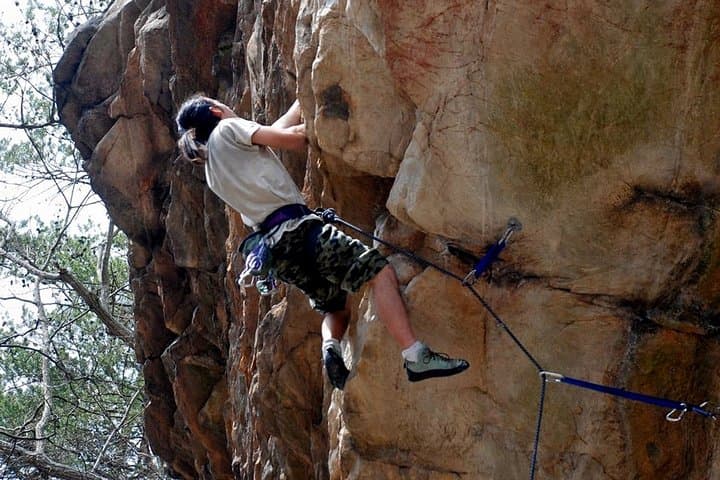
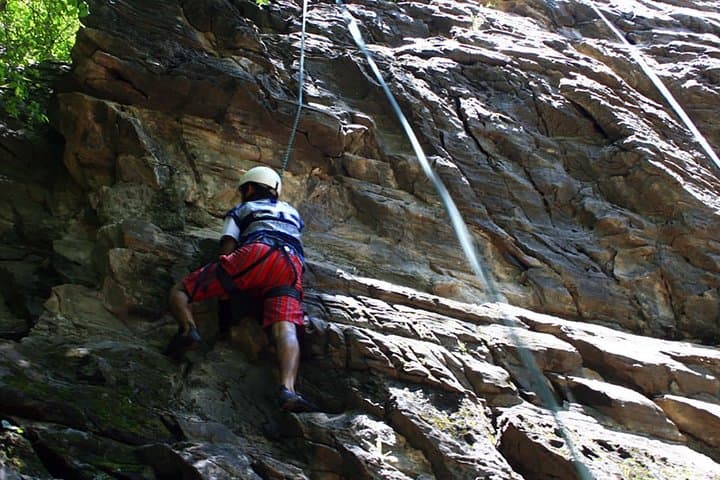
At Nagarjun Forest Reserve the rock greets you bluntly: broad, sun-warmed slabs and fractured edges that invite different styles of climbing. Your guide rigs a top-rope while birds quarrel in the canopy—this part of the valley supports more than 300 species—so you move between technical holds and forested approach paths with equal attention.
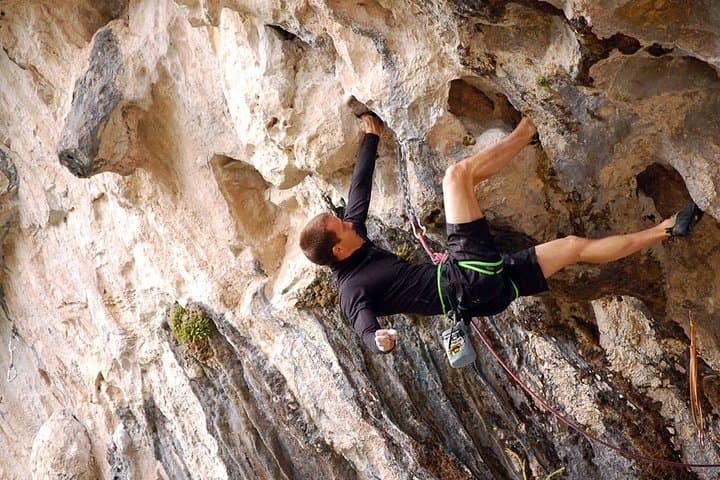
Kathmandu's climbing scene is new by Himalayan standards. The crags that ring the valley are fragments of an ancient orogeny; folded and faulted metamorphic rock makes for both slabby friction climbs and short, powerful overhangs. Sites like Nagarjun (a 30-minute drive northwest of Thamel), Hattiban (about an hour to the south toward the Dhaskinkali temple), and pockets around Bimal Nagar now host routes graded for beginners through experts. Locals historically used these slopes for grazing, pilgrimage, and wood-gathering; contemporary climbers are simply another group learning how to share the terrain.
The day tour is compact and pragmatic: a 10:00 a.m. meet at the Alpine Club of the Himalaya in Thamel or a hotel pickup, a short transfer, route selection based on experience, then guided climbing with all permits, equipment, and lunch provided. Expect six hours total from city door to return.
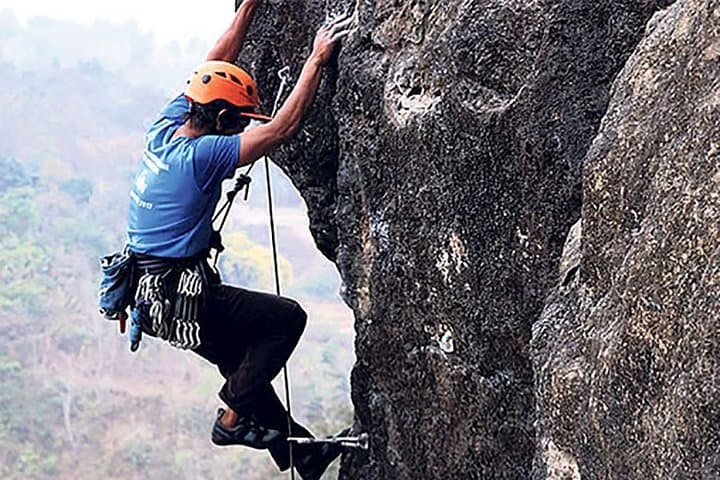
Practicalities matter here. Approaches are short but uneven—rock and leaf litter can hide roots—and sun and wind change quickly at valley ridgelines. Guides will lead and belay; they also brief you on ropework and safety, but having basic familiarity with knots and comfort on exposure will make the day smoother. Hydration and steady pacing beat bravado: routes often repeat in circuits, so you climb, rest, and climb again.
Beyond the rope, the trip is quietly cultural. You may pass small shrines and local farmers on the road, and the guides will often point out birds and medicinal plants used by nearby communities. Conservation is a live concern: erosion on approach trails and litter around picnic spots have prompted local groups to limit bolting and promote leave-no-trace practices—your guide will emphasize minimizing impact.
If you want a first-day test of technical skill in Kathmandu, this is it—accessible, varied, and guided by people who know how to keep the margin for error small. Pack sensible shoes for the approach, sun protection, and the patience to learn a new rock with a long human history beneath your feet.
moderate.
4–6 hours.
Light to moderate fitness: you should be comfortable hiking short, uneven approaches and climbing for multiple pitches or circuits over several hours.
No—beginners are welcome; guides teach technique and set top-ropes, though prior belay knowledge speeds progress.
The tour meets at 10:00 a.m. and typically returns by 4:00 p.m., depending on route selection and traffic.
Yes—necessary climbing gear, helmets, ropes, and permits are included; you can bring personal climbing shoes if preferred.
Routes range from easy beginner slabs to short, technical problems—guides match routes to your ability and goals.
Yes—pickups are available within Kathmandu (Thamel area); confirm your pickup point when booking.
Heavy rain makes rock slippery and increases risk; operators may cancel or move to alternative sites during the monsoon.
Climbing in Kathmandu is a recent recreational development; traditional uses of valley slopes included grazing and pilgrimage near temples like Dhaskinkali.
Local groups limit bolting and promote trail maintenance to reduce erosion; visitors are urged to carry out waste and respect sacred sites.
Alpine Club of Himalaya operates guided outdoor trips and adventures with an emphasis on safety, stewardship, and memorable experiences.
You leave Thamel behind before the city heat builds—rickshaws thin out, prayer flags flutter over narrow lanes—and in 30 minutes the pavements give way to scrub and the first vertical faces of the Kathmandu Valley appear.
You leave Thamel behind before the city heat builds—rickshaws thin out, prayer flags flutter over narrow lanes—and in 30 minutes the pavements give way to scrub and the first vertical faces of the Kathmandu Valley appear.
At Nagarjun Forest Reserve the rock greets you bluntly: broad, sun-warmed slabs and fractured edges that invite different styles of climbing. Your guide rigs a top-rope while birds quarrel in the canopy—this part of the valley supports more than 300 species—so you move between technical holds and forested approach paths with equal attention.
Kathmandu's climbing scene is new by Himalayan standards. The crags that ring the valley are fragments of an ancient orogeny; folded and faulted metamorphic rock makes for both slabby friction climbs and short, powerful overhangs. Sites like Nagarjun (a 30-minute drive northwest of Thamel), Hattiban (about an hour to the south toward the Dhaskinkali temple), and pockets around Bimal Nagar now host routes graded for beginners through experts. Locals historically used these slopes for grazing, pilgrimage, and wood-gathering; contemporary climbers are simply another group learning how to share the terrain.
The day tour is compact and pragmatic: a 10:00 a.m. meet at the Alpine Club of the Himalaya in Thamel or a hotel pickup, a short transfer, route selection based on experience, then guided climbing with all permits, equipment, and lunch provided. Expect six hours total from city door to return.
Practicalities matter here. Approaches are short but uneven—rock and leaf litter can hide roots—and sun and wind change quickly at valley ridgelines. Guides will lead and belay; they also brief you on ropework and safety, but having basic familiarity with knots and comfort on exposure will make the day smoother. Hydration and steady pacing beat bravado: routes often repeat in circuits, so you climb, rest, and climb again.
Beyond the rope, the trip is quietly cultural. You may pass small shrines and local farmers on the road, and the guides will often point out birds and medicinal plants used by nearby communities. Conservation is a live concern: erosion on approach trails and litter around picnic spots have prompted local groups to limit bolting and promote leave-no-trace practices—your guide will emphasize minimizing impact.
If you want a first-day test of technical skill in Kathmandu, this is it—accessible, varied, and guided by people who know how to keep the margin for error small. Pack sensible shoes for the approach, sun protection, and the patience to learn a new rock with a long human history beneath your feet.