THE ADVENTURE COLLECTIVE® · Independent discovery and booking for outdoor travel

Climb cooled lava faces beneath the watchful cone of Tungurahua in Baños. This guided half-day tour fits beginners with top-rope instruction and challenges intermediates with top-belay and short multi-pitch lines—perfect for anyone seeking hands-on skill development and big Andean views.
Climb cooled lava faces beneath the watchful cone of Tungurahua in Baños. This guided half-day tour fits beginners with top-rope instruction and challenges intermediates with top-belay and short multi-pitch lines—perfect for anyone seeking hands-on skill development and big Andean views.
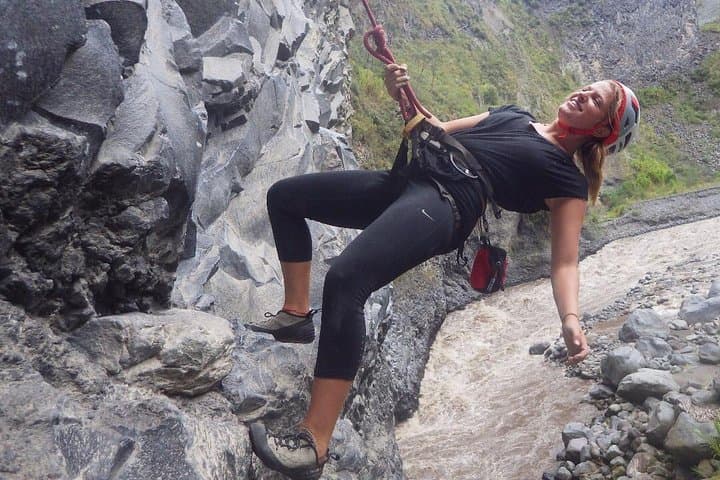
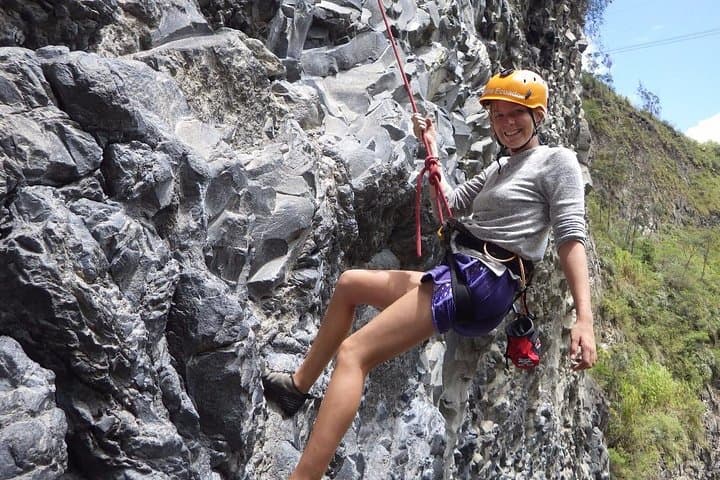
You step out of the minivan and the wall greets you: a blocky, dark face of cooled lava that still seems to hold the heat of recent eruptions. The air smells faintly of sulfur and wet earth, and beyond the crag the cone of Tungurahua punctures the sky—often threaded with steam and ash. Guides from Imagine Ecuador move with practiced calm, fitting shoes and harnesses while the town’s hot springs murmur in the valley below.
Verified experiences and guided adventures in the surrounding area.
Operated by Imagine Ecuador · Baños, Tungurahua
You step out of the minivan and the wall greets you: a blocky, dark face of cooled lava that still seems to hold the heat of recent eruptions. The air smells faintly of sulfur and wet earth, and beyond the crag the cone of Tungurahua punctures the sky—often threaded with steam and ash. Guides from Imagine Ecuador move with practiced calm, fitting shoes and harnesses while the town’s hot springs murmur in the valley below.
The climbing in Baños is literal geology you can climb: basaltic lava flows from Tungurahua have fractured into edges and pockets that make technical but friendly routes. Locals learned to use these flows for recreation as the town reinvented itself as an adventure hub after the late-20th-century eruptions pushed tourism toward outdoor sports. The rock here is raw and honest—sharp in places, grippy in others—and the crags have become a practical classroom for students of movement.
Beginner climbs on this tour use top-rope systems and sit no more than about 15 meters (50 feet) above the ground, graded roughly 5.5–5.8. Intermediates pick from 5.7–5.9 routes and may employ top-belay or short multi-pitch transitions; those sections require hands-on knowledge of belaying and basic rope management. Whether you’re clipping the anchors for the first time or moving through a sustained sequence, the route selection favors learning and flow over exposed, committing faces.
Culturally, Baños is equal parts pilgrimage and playground: visitors come for thermal baths and the church plaza, but many linger for the canyon trails, coffee farms and mountain vistas. Climbing here is tied to that local economy—guides, small gear shops and transport are community-scale, and the company running this trip provides safety equipment, transport and instruction.
Practical details are straightforward. The four-hour session starts from the Imagine Ecuador office (you must stop by the day before for shoe fitting and briefing), with departures at 9:00 or 14:00 and a short 15-minute drive to the crag. Minimum age is 10; participants should have at least a moderate fitness level. Bring a filled 1–2 liter water bottle, sun protection, a light rain shell and a small snack. Expect dusty approaches, quick exposures to wind and the occasional brisk cloudburst in this Andean valley.
Safety and sustainability matter: stay on established trails, avoid adding bolts, and follow your guide’s instructions—especially on intermediate belay setups. For photographers, aim for late afternoon light to silhouette the climbers against Tungurahua. For everyone else, the gain is immediate: finger strength, technique tips, and a panorama that reminds you why climbers keep coming back to the rough, honest rock of Baños.
moderate.
3–4 hours.
Moderate cardiovascular fitness and basic climbing endurance—able to hike short approaches and perform repeated moves on vertical rock.
No—beginners are welcome on top-rope routes with instruction; intermediate options require prior belaying and rope-handling skills.
Meet at the Imagine Ecuador office in Baños; you must visit the day before for shoe fitting and the tour runs at 9:00 or 14:00 with a short drive to the crag.
Guides supply helmets, harnesses, ropes and climbing shoes if you don’t have them; bring personal items like water and sunscreen.
Minimum age is 10; younger climbers should be accompanied and comfortable with heights and instruction.
The operator’s policy doesn’t automatically cancel for rain; guides will assess conditions and may adapt or reschedule for safety—cancel at least 24 hours prior for a full refund if you need to change plans.
Expect moderate exertion: short approaches, multiple climbs, and repeated upper-body effort; a basic level of fitness is recommended.
Baños developed as a thermal and pilgrimage town; the climbing walls are volcanic basalt created by Tungurahua’s flows, repurposed in recent decades by local guides into accessible adventure terrain.
Follow established trails and use only existing anchors—local operators work to minimize bolting and protect wildlife corridors while promoting sustainable guiding.
Imagine Ecuador operates guided outdoor trips and adventures with an emphasis on safety, stewardship, and memorable experiences.
You step out of the minivan and the wall greets you: a blocky, dark face of cooled lava that still seems to hold the heat of recent eruptions. The air smells faintly of sulfur and wet earth, and beyond the crag the cone of Tungurahua punctures the sky—often threaded with steam and ash. Guides from Imagine Ecuador move with practiced calm, fitting shoes and harnesses while the town’s hot springs murmur in the valley below.
You step out of the minivan and the wall greets you: a blocky, dark face of cooled lava that still seems to hold the heat of recent eruptions. The air smells faintly of sulfur and wet earth, and beyond the crag the cone of Tungurahua punctures the sky—often threaded with steam and ash. Guides from Imagine Ecuador move with practiced calm, fitting shoes and harnesses while the town’s hot springs murmur in the valley below.
The climbing in Baños is literal geology you can climb: basaltic lava flows from Tungurahua have fractured into edges and pockets that make technical but friendly routes. Locals learned to use these flows for recreation as the town reinvented itself as an adventure hub after the late-20th-century eruptions pushed tourism toward outdoor sports. The rock here is raw and honest—sharp in places, grippy in others—and the crags have become a practical classroom for students of movement.
Beginner climbs on this tour use top-rope systems and sit no more than about 15 meters (50 feet) above the ground, graded roughly 5.5–5.8. Intermediates pick from 5.7–5.9 routes and may employ top-belay or short multi-pitch transitions; those sections require hands-on knowledge of belaying and basic rope management. Whether you’re clipping the anchors for the first time or moving through a sustained sequence, the route selection favors learning and flow over exposed, committing faces.
Culturally, Baños is equal parts pilgrimage and playground: visitors come for thermal baths and the church plaza, but many linger for the canyon trails, coffee farms and mountain vistas. Climbing here is tied to that local economy—guides, small gear shops and transport are community-scale, and the company running this trip provides safety equipment, transport and instruction.
Practical details are straightforward. The four-hour session starts from the Imagine Ecuador office (you must stop by the day before for shoe fitting and briefing), with departures at 9:00 or 14:00 and a short 15-minute drive to the crag. Minimum age is 10; participants should have at least a moderate fitness level. Bring a filled 1–2 liter water bottle, sun protection, a light rain shell and a small snack. Expect dusty approaches, quick exposures to wind and the occasional brisk cloudburst in this Andean valley.
Safety and sustainability matter: stay on established trails, avoid adding bolts, and follow your guide’s instructions—especially on intermediate belay setups. For photographers, aim for late afternoon light to silhouette the climbers against Tungurahua. For everyone else, the gain is immediate: finger strength, technique tips, and a panorama that reminds you why climbers keep coming back to the rough, honest rock of Baños.