THE ADVENTURE COLLECTIVE® · Independent discovery and booking for outdoor travel

A short drive from Arequipa, the Charcani cliffs along the Chili River offer accessible single-pitch routes for beginners and stout challenges for experienced climbers. This four‑hour guided outing packs geology, local culture and hands‑on instruction into one efficient adventure.
A short drive from Arequipa, the Charcani cliffs along the Chili River offer accessible single-pitch routes for beginners and stout challenges for experienced climbers. This four‑hour guided outing packs geology, local culture and hands‑on instruction into one efficient adventure.
Morning light scratches the flanks of three volcanoes — Misti, Chachani and Pichu Pichu — and the first thing you notice is how the Chili River insists on cutting the valley in two, a cold, steady line pushing the city outward. A minivan eases off the asphalt and you are at Charcani within 30 minutes of Arequipa’s colonial grid. The cliffs here are not alpine giants; they are sun-warmed faces of volcanic rock that invite hands and feet, a place where a nervous first-timer and a practiced climber can share the same belay.
Verified experiences and guided adventures in the surrounding area.
Operated by SKY VIAJES Y TURISMO · Arequipa, Arequipa
Morning light scratches the flanks of three volcanoes — Misti, Chachani and Pichu Pichu — and the first thing you notice is how the Chili River insists on cutting the valley in two, a cold, steady line pushing the city outward. A minivan eases off the asphalt and you are at Charcani within 30 minutes of Arequipa’s colonial grid. The cliffs here are not alpine giants; they are sun-warmed faces of volcanic rock that invite hands and feet, a place where a nervous first-timer and a practiced climber can share the same belay.
Charcani sits where human history and Andean geology meet. The sediment and lava flows of the region created short, solid single-pitch walls that local climbers have bolted into service. Above the cliffs a small sanctuary dedicated to the Virgen de Chapi marks centuries of pilgrimage; below, terraces and small farms remind you the valley feeds the city. Climbing here is as much a social day out as it is a technical exercise — families picnic near the river while climbers rotate on routes.
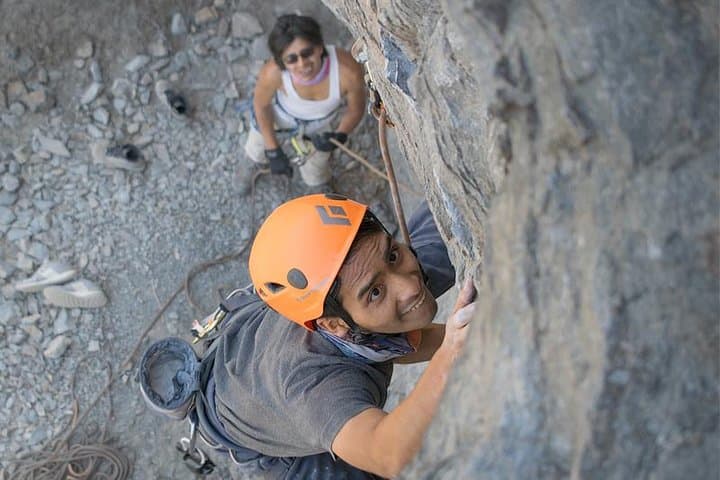
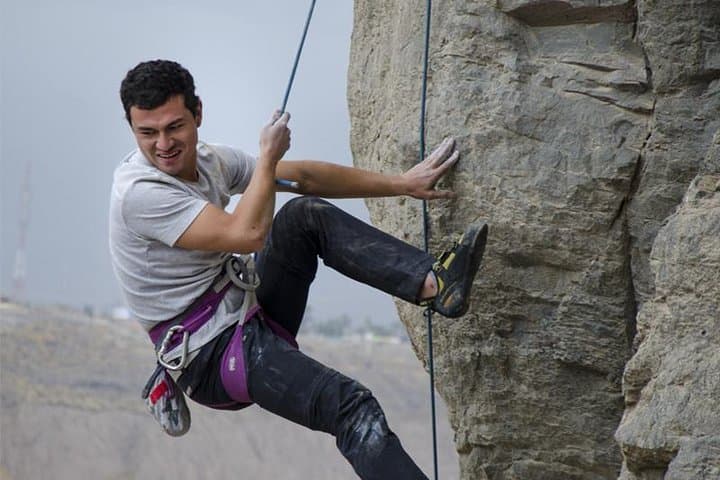
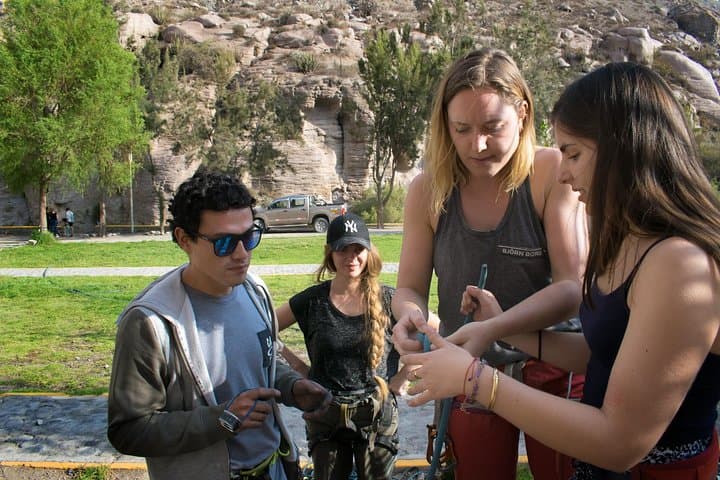
The itinerary is straightforward: hotel pickup in Arequipa, a short drive to the Chilina Valley, a briefing and gear-up, then three hours on the rock followed by a return. Guides provide a concise safety introduction and set routes to match ability, so expect top-rope and sport climbs that range from gentle beginner lines to steeper, pumpier options for stronger climbers. The rock is primarily volcanic and surprisingly grippy; shoes and helmets are supplied, and snacks are included.
Practical edge: altitude matters. Arequipa sits around 2,300 meters — move deliberately the first hour, hydrate, and expect your breathing to dictate effort more than the grade. Footwear with a firm sole for the approach is useful; sticky climbing shoes are helpful on the routes but can be rented if you don’t travel with them.
Timing is simple: morning slots avoid the strongest sun and late afternoon keeps you cooler, but wind can pick up in the valley, so layers are smart. The whole experience suits mixed groups and climbers of varied levels; guides adapt routes and rope systems accordingly. Bring sunscreen, water, and a light pack; leave glass and alcohol at your hotel.
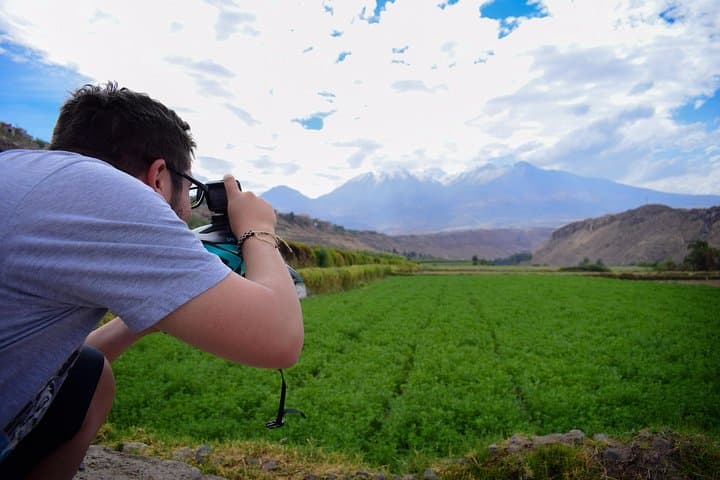
Beyond climbing, walk a short stretch along the riverbank for views back to Arequipa’s white sillar buildings and the volcano silhouettes. Respect farmland and local property boundaries, use designated trails, and pack out waste — erosion and informal trails are the area’s biggest issues.
Charcani delivers a concise, high-value climbing day: close to town, geology that holds well, and enough variety to make a single outing memorable whether you’re ticking your first rock climb or sharpening a few grades beneath Andean peaks.
moderate.
4 hours.
Suitable for people in regular physical condition; expect short approaches and sustained climbing using legs and core, with altitude increasing exertion.
No — the guides provide a thorough safety briefing, set routes by ability and can teach belaying basics for beginners.
Yes — ropes, harnesses, helmets and usually climbing shoes are included as part of the tour.
Pickup and transfer take roughly 20–40 minutes depending on hotel location and traffic before reaching the Chilina Valley.
Arequipa is around 2,300 m; many visitors feel mild shortness of breath, so hydrate and pace efforts accordingly.
The activity accommodates varied fitness levels; confirm any age limits with the operator and note infants can be in strollers at gathering points.
Guides provide light snacks (cookies) but bring at least 1–2 liters of water and any personal snacks for energy between climbs.
The Chilina Valley sits below Arequipa’s volcanic belt and near the Sanctuary of the Virgen de Chapi, a long-standing pilgrimage site important to local cultural life.
Stick to established trails, avoid trampling terraces, and carry out all waste — erosion and informal paths are the area’s main environmental issues.
SKY VIAJES Y TURISMO operates guided outdoor trips and adventures with an emphasis on safety, stewardship, and memorable experiences.
Morning light scratches the flanks of three volcanoes — Misti, Chachani and Pichu Pichu — and the first thing you notice is how the Chili River insists on cutting the valley in two, a cold, steady line pushing the city outward. A minivan eases off the asphalt and you are at Charcani within 30 minutes of Arequipa’s colonial grid. The cliffs here are not alpine giants; they are sun-warmed faces of volcanic rock that invite hands and feet, a place where a nervous first-timer and a practiced climber can share the same belay.
Morning light scratches the flanks of three volcanoes — Misti, Chachani and Pichu Pichu — and the first thing you notice is how the Chili River insists on cutting the valley in two, a cold, steady line pushing the city outward. A minivan eases off the asphalt and you are at Charcani within 30 minutes of Arequipa’s colonial grid. The cliffs here are not alpine giants; they are sun-warmed faces of volcanic rock that invite hands and feet, a place where a nervous first-timer and a practiced climber can share the same belay.
Charcani sits where human history and Andean geology meet. The sediment and lava flows of the region created short, solid single-pitch walls that local climbers have bolted into service. Above the cliffs a small sanctuary dedicated to the Virgen de Chapi marks centuries of pilgrimage; below, terraces and small farms remind you the valley feeds the city. Climbing here is as much a social day out as it is a technical exercise — families picnic near the river while climbers rotate on routes.
The itinerary is straightforward: hotel pickup in Arequipa, a short drive to the Chilina Valley, a briefing and gear-up, then three hours on the rock followed by a return. Guides provide a concise safety introduction and set routes to match ability, so expect top-rope and sport climbs that range from gentle beginner lines to steeper, pumpier options for stronger climbers. The rock is primarily volcanic and surprisingly grippy; shoes and helmets are supplied, and snacks are included.
Practical edge: altitude matters. Arequipa sits around 2,300 meters — move deliberately the first hour, hydrate, and expect your breathing to dictate effort more than the grade. Footwear with a firm sole for the approach is useful; sticky climbing shoes are helpful on the routes but can be rented if you don’t travel with them.
Timing is simple: morning slots avoid the strongest sun and late afternoon keeps you cooler, but wind can pick up in the valley, so layers are smart. The whole experience suits mixed groups and climbers of varied levels; guides adapt routes and rope systems accordingly. Bring sunscreen, water, and a light pack; leave glass and alcohol at your hotel.
Beyond climbing, walk a short stretch along the riverbank for views back to Arequipa’s white sillar buildings and the volcano silhouettes. Respect farmland and local property boundaries, use designated trails, and pack out waste — erosion and informal trails are the area’s biggest issues.
Charcani delivers a concise, high-value climbing day: close to town, geology that holds well, and enough variety to make a single outing memorable whether you’re ticking your first rock climb or sharpening a few grades beneath Andean peaks.