THE ADVENTURE COLLECTIVE® · Independent discovery and booking for outdoor travel

A private, full-day climbing experience that pairs technical coaching with classic Welsh crags — choose sheltered mountain faces in Snowdonia or salt-scrubbed sea cliffs on Anglesey. Expect pro instruction, ropes, gear and local route knowledge suited to your ability.
A private, full-day climbing experience that pairs technical coaching with classic Welsh crags — choose sheltered mountain faces in Snowdonia or salt-scrubbed sea cliffs on Anglesey. Expect pro instruction, ropes, gear and local route knowledge suited to your ability.
The rope sings as you weight it: a short, clean note that marks commitment and a line of light between you and the sky. You’re standing on a ledge cut into hard, old rock — wind from the Irish Sea pressing across your cheeks if you’re on Anglesey, or colder mountain air if you’re higher in Snowdonia. Instructors move with economy, checking harnesses and knots while pointing out line options that will make a tricky move feel straightforward.
Verified experiences and guided adventures in the surrounding area.
Operated by Adventure Activities Wales · Llanberis, Gwynedd
The rope sings as you weight it: a short, clean note that marks commitment and a line of light between you and the sky. You’re standing on a ledge cut into hard, old rock — wind from the Irish Sea pressing across your cheeks if you’re on Anglesey, or colder mountain air if you’re higher in Snowdonia. Instructors move with economy, checking harnesses and knots while pointing out line options that will make a tricky move feel straightforward.
North Wales’ cliffs demand respect. The ridges around Snowdonia were forged in volcanic upheaval and sculpted by glaciers; the crags are composed of durable igneous and metamorphic rock that holds edges and cracks for well-placed gear. Anglesey’s coastal faces are older and more exposed—sea-sprayed routes that force hands and feet to trust friction as much as holds.
Climbing here is as much cultural as it is physical. Llanberis and Betws-y-Coed grew up as mountain towns for quarrymen, climbers and guides; pubs that once served slate workers now hum with climbers’ banter. Local guides bring decades of experience on both mountain and sea cliffs, passing down practical technique the way generations handed along route knowledge: concise, no-nonsense, and rooted in the rock.
The experience on offer is tailored. Beginners learn to tie in, place protection and belay safely; intermediate climbers get coached on footwork, body position and efficient rope management. Every booking is private, so your instructor selects crags matched to ability—from sheltered practice walls to multi-pitch faces for those chasing exposure. Sessions typically run about seven hours, with shoes, harness, helmet, chalk, photos and even a post-climb beer and cake included.
Plan for variable weather and changing light. Start early for cooler, grippier rock and to avoid mid-afternoon winds on coastal routes. Expect wet patches and slick holds after rain—your guide will shift venues if conditions become unsafe, and the operator enforces an all-sales-final policy with weather cancellations possible.
Practical tips: bring a sturdy approach shoe for walking to crags, layered clothing you can shed on sunny terraces, a 2–3 litre water supply and electrolyte snacks for the long day. If you’re under 18 you must be accompanied by a parent or guardian. Fitness-wise, a moderate level of aerobic stamina and core strength makes the day more enjoyable; the technical ropework is taught on site, so no prior experience is required.
A guided climbing day in Snowdonia or on Anglesey is concrete, tested exposure: the rock does not flatter or apologize. It yields lines to the prepared, offers clear lessons for the eager learner and leaves you with practical skills that last beyond the single day — and a memory of standing on a ledge, rope between you and the world below.
moderate.
6–8 hours.
Moderate aerobic fitness and basic core strength make the day easier; participants should be comfortable with sustained walking and scrambling.
No—this is suitable for beginners; instructors will teach knots, belaying and safe climbing technique during the session.
Guides supply helmets, harnesses, ropes, chalk and climbing shoes if needed; bring approach shoes, water, layers and snacks.
Bookings are private and tailored to your ability, so the instructor selects an appropriate venue for your party.
The operator may cancel or relocate the session for safety; the listing notes an all-sales-final policy with weather-based cancellations possible.
Yes—under-18s must be accompanied by a parent or legal guardian and meet any physical requirements set by the guide.
Pick Snowdonia for more sheltered mountain crags and volcanic rock; choose Anglesey for sea-cliff exposure and coastal scenery—guides can recommend based on ability and conditions.
Climbing in North Wales grew from quarry and mining communities; local guides formalized techniques through the 20th century, creating a strong regional guiding tradition.
Routes and access are managed to protect nesting birds and fragile vegetation—follow guides’ instructions, avoid cliff-top trampling and pack out all waste.
Adventure Activities Wales operates guided outdoor trips and adventures with an emphasis on safety, stewardship, and memorable experiences.
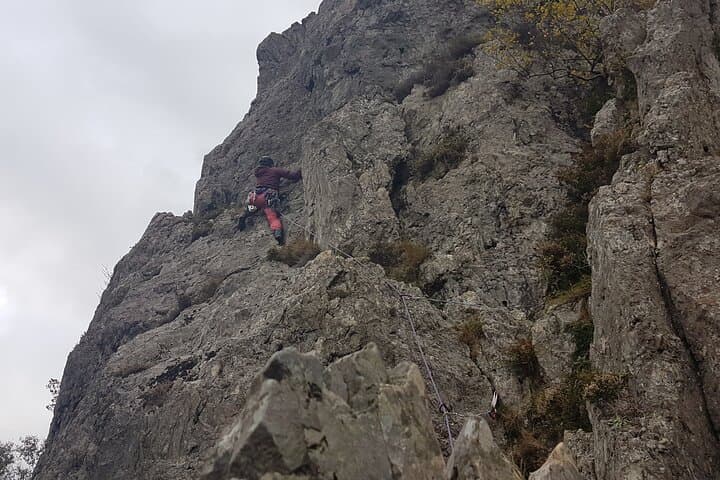
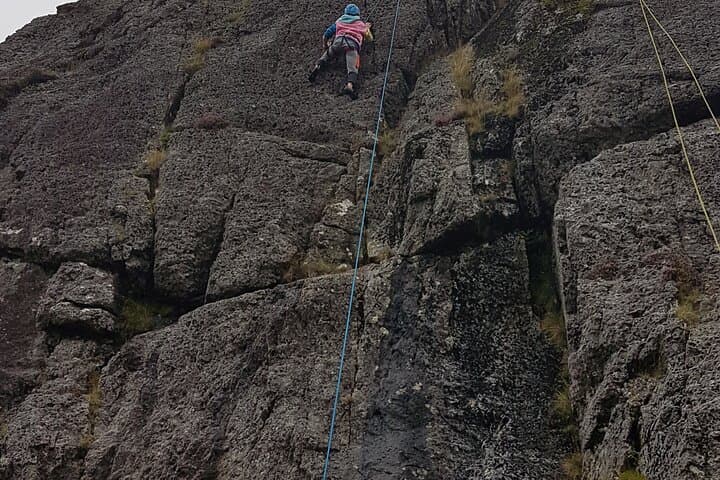
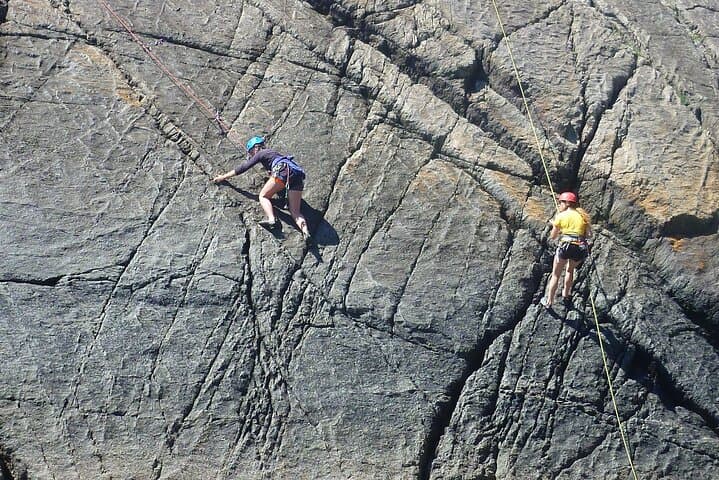
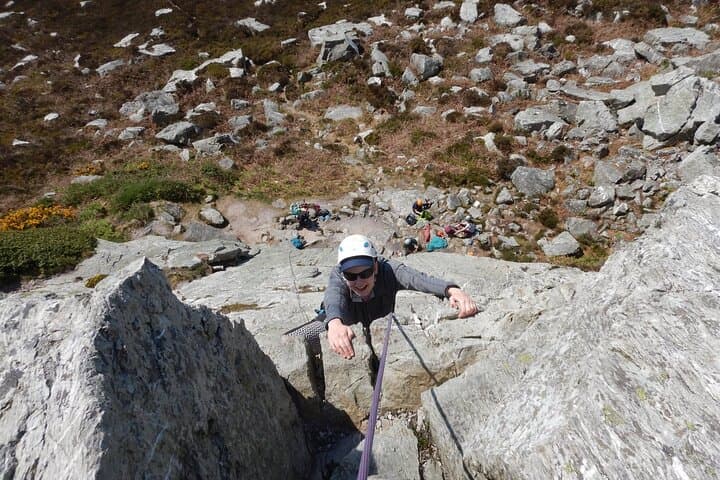
The rope sings as you weight it: a short, clean note that marks commitment and a line of light between you and the sky. You’re standing on a ledge cut into hard, old rock — wind from the Irish Sea pressing across your cheeks if you’re on Anglesey, or colder mountain air if you’re higher in Snowdonia. Instructors move with economy, checking harnesses and knots while pointing out line options that will make a tricky move feel straightforward.
The rope sings as you weight it: a short, clean note that marks commitment and a line of light between you and the sky. You’re standing on a ledge cut into hard, old rock — wind from the Irish Sea pressing across your cheeks if you’re on Anglesey, or colder mountain air if you’re higher in Snowdonia. Instructors move with economy, checking harnesses and knots while pointing out line options that will make a tricky move feel straightforward.
North Wales’ cliffs demand respect. The ridges around Snowdonia were forged in volcanic upheaval and sculpted by glaciers; the crags are composed of durable igneous and metamorphic rock that holds edges and cracks for well-placed gear. Anglesey’s coastal faces are older and more exposed—sea-sprayed routes that force hands and feet to trust friction as much as holds.
Climbing here is as much cultural as it is physical. Llanberis and Betws-y-Coed grew up as mountain towns for quarrymen, climbers and guides; pubs that once served slate workers now hum with climbers’ banter. Local guides bring decades of experience on both mountain and sea cliffs, passing down practical technique the way generations handed along route knowledge: concise, no-nonsense, and rooted in the rock.
The experience on offer is tailored. Beginners learn to tie in, place protection and belay safely; intermediate climbers get coached on footwork, body position and efficient rope management. Every booking is private, so your instructor selects crags matched to ability—from sheltered practice walls to multi-pitch faces for those chasing exposure. Sessions typically run about seven hours, with shoes, harness, helmet, chalk, photos and even a post-climb beer and cake included.
Plan for variable weather and changing light. Start early for cooler, grippier rock and to avoid mid-afternoon winds on coastal routes. Expect wet patches and slick holds after rain—your guide will shift venues if conditions become unsafe, and the operator enforces an all-sales-final policy with weather cancellations possible.
Practical tips: bring a sturdy approach shoe for walking to crags, layered clothing you can shed on sunny terraces, a 2–3 litre water supply and electrolyte snacks for the long day. If you’re under 18 you must be accompanied by a parent or guardian. Fitness-wise, a moderate level of aerobic stamina and core strength makes the day more enjoyable; the technical ropework is taught on site, so no prior experience is required.
A guided climbing day in Snowdonia or on Anglesey is concrete, tested exposure: the rock does not flatter or apologize. It yields lines to the prepared, offers clear lessons for the eager learner and leaves you with practical skills that last beyond the single day — and a memory of standing on a ledge, rope between you and the world below.