THE ADVENTURE COLLECTIVE® · Independent discovery and booking for outdoor travel

Trace the footsteps of The Beatles, Bowie and punk pioneers through Soho and St James on a two‑hour guided walking tour. Learn the streetside stories behind record shops, clubs and the scenes that changed popular music.
Trace the footsteps of The Beatles, Bowie and punk pioneers through Soho and St James on a two‑hour guided walking tour. Learn the streetside stories behind record shops, clubs and the scenes that changed popular music.
The street smells faintly of rain and frying oil; a guitar riff seems to hang in the air as you step off a busy corner into Soho. Narrow lanes give way to small theatres, shuttered music shops and plaques that mark where bands rewrote popular music. This walk threads Soho and St James, moving from swinging‑60s hotspots to punk-era clubs and the record shop corners that fed a revolution.
Verified experiences and guided adventures in the surrounding area.
Operated by The Great Weekender Experiences · London, Greater London
The street smells faintly of rain and frying oil; a guitar riff seems to hang in the air as you step off a busy corner into Soho. Narrow lanes give way to small theatres, shuttered music shops and plaques that mark where bands rewrote popular music. This walk threads Soho and St James, moving from swinging‑60s hotspots to punk-era clubs and the record shop corners that fed a revolution.
Soho’s history as a music district grew from dense urban fabric—tight streets and late-night venues—where club owners, producers and fans converged. Denmark Street’s tiny shops supplied instruments and riffs; the Marquee Club and venues on Oxford Street incubated careers. The tour explains social and cultural shifts: postwar youth culture, changing radio formats and how an area of central London became a creative engine for rock, glam and punk.
Expect two hours on paved city streets, stops at historic façades, anecdotes about icons from The Beatles to Bowie, and local lore about notorious nights and record‑label deals. Guides often point out architectural details and quieter courtyards that survive redevelopment.
Practical notes: wear sturdy shoes, bring a rain layer and an Oyster card; the route is predominantly flat and wheelchair accessible but includes busy crossings. Small group sizes mean plenty of questions; arrive 10 minutes early to check in. If you want photos of plaques or passing venues, plan for low evening light and pedestrian crowds. The tour pairs historical storytelling with the pragmatic rhythms of London: fast walking between points, close listening at stops, and a chance to walk the streets where modern music was hammered into shape.
easy.
2 hours.
Basic urban fitness: comfortable standing and walking for two hours on paved streets.
Yes—the route is on paved streets with curb cuts; guides note that all areas are wheelchair accessible but contact the operator ahead for specific assistance.
Tours are conducted in English by local guides experienced in the area’s music history.
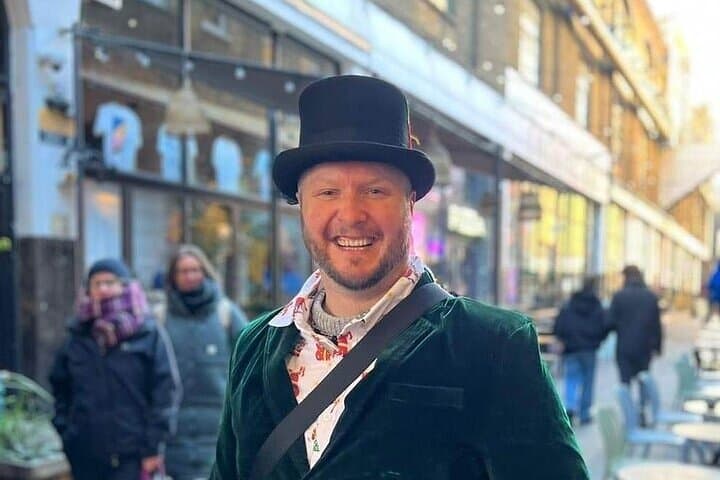
Groups are typically small (under 15), allowing time for Q&A and closer viewing of plaques and façades.
Full refund is available if you cancel at least 24 hours before the scheduled departure; check your booking confirmation for details.
Soho and St James became central to Britain’s rock evolution in the 1950s–70s as clubs, publishers and independent shops concentrated in tight streets that fostered collaboration.
Support independent music shops and small venues to help preserve the cultural fabric; follow local guidance on noise and pedestrian flow to minimize impacts.
The Great Weekender Experiences operates guided outdoor trips and adventures with an emphasis on safety, stewardship, and memorable experiences.
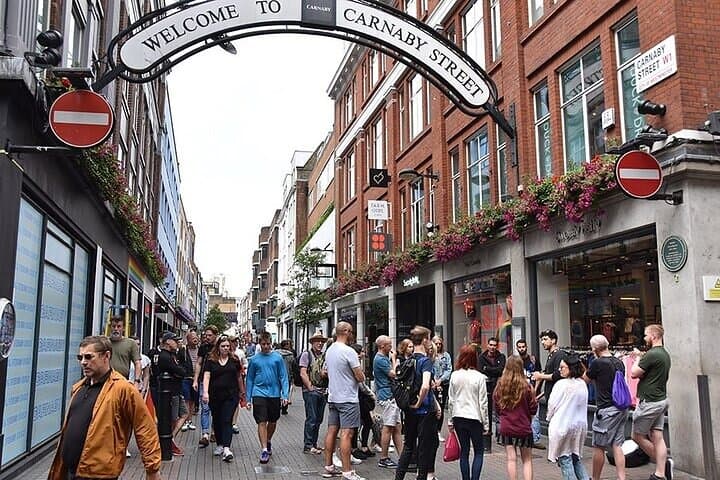
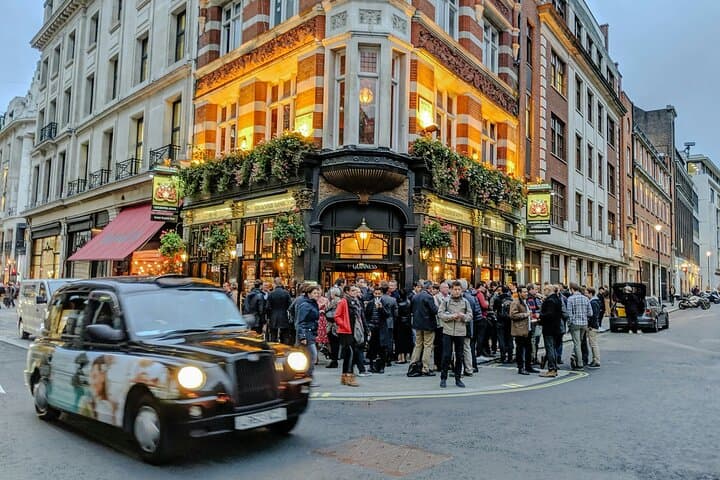
The street smells faintly of rain and frying oil; a guitar riff seems to hang in the air as you step off a busy corner into Soho. Narrow lanes give way to small theatres, shuttered music shops and plaques that mark where bands rewrote popular music. This walk threads Soho and St James, moving from swinging‑60s hotspots to punk-era clubs and the record shop corners that fed a revolution.
The street smells faintly of rain and frying oil; a guitar riff seems to hang in the air as you step off a busy corner into Soho. Narrow lanes give way to small theatres, shuttered music shops and plaques that mark where bands rewrote popular music. This walk threads Soho and St James, moving from swinging‑60s hotspots to punk-era clubs and the record shop corners that fed a revolution.
Soho’s history as a music district grew from dense urban fabric—tight streets and late-night venues—where club owners, producers and fans converged. Denmark Street’s tiny shops supplied instruments and riffs; the Marquee Club and venues on Oxford Street incubated careers. The tour explains social and cultural shifts: postwar youth culture, changing radio formats and how an area of central London became a creative engine for rock, glam and punk.
Expect two hours on paved city streets, stops at historic façades, anecdotes about icons from The Beatles to Bowie, and local lore about notorious nights and record‑label deals. Guides often point out architectural details and quieter courtyards that survive redevelopment.
Practical notes: wear sturdy shoes, bring a rain layer and an Oyster card; the route is predominantly flat and wheelchair accessible but includes busy crossings. Small group sizes mean plenty of questions; arrive 10 minutes early to check in. If you want photos of plaques or passing venues, plan for low evening light and pedestrian crowds. The tour pairs historical storytelling with the pragmatic rhythms of London: fast walking between points, close listening at stops, and a chance to walk the streets where modern music was hammered into shape.