THE ADVENTURE COLLECTIVE® · Independent discovery and booking for outdoor travel

Walk Bath’s unexpected rock heritage—where Georgian streets, intimate clubs, and a handful of pivotal gigs trace a local music scene that helped shape national festivals. This two‑hour guided stroll pairs landmark stories with practical tips for getting the most from the city’s musical past.
Walk Bath’s unexpected rock heritage—where Georgian streets, intimate clubs, and a handful of pivotal gigs trace a local music scene that helped shape national festivals. This two‑hour guided stroll pairs landmark stories with practical tips for getting the most from the city’s musical past.
You step off the Georgian pavement and the city exhales music—brass-era crescents give way to graffiti-scarred alleyways where rehearsals once echoed. Cobblestones here remember boot-stomp and cymbal crash as much as carriage wheels; the soundtrack of Bath slides between Georgian formality and gritty, late‑20th century rock.
Verified experiences and guided adventures in the surrounding area.
Operated by Rock n Stroll Tours · Bath, Somerset
You step off the Georgian pavement and the city exhales music—brass-era crescents give way to graffiti-scarred alleyways where rehearsals once echoed. Cobblestones here remember boot-stomp and cymbal crash as much as carriage wheels; the soundtrack of Bath slides between Georgian formality and gritty, late‑20th century rock.
Bath’s architecture and social life set the stage: 18th‑century crescents and crescendos of popular music coexisted as venues, pubs, and studios repurposed classical rooms into rehearsal spaces. Eddie Cochran’s tragic 1960 link to the area and Fleetwood Mac’s early local connections are part of a thread that runs to Moles Club—where Tears for Fears found an early audience—and Crescent Studios, which drew recording artists in the 1970s. The Bath Blues Festival helped fan a cultural spark that would blaze into nearby Glastonbury.
The walk stitches together streets, former venues, and the city’s quieter music-making corners. Guides narrate setlists alongside civic history: industrial echoes in Bath’s stone quarries, social halls that shifted from parlour music to amplified rock, and how local pubs doubled as incubation rooms for songs that would go national.
Practical note: expect about two hours of walking on uneven pavement and some steps; wear supportive shoes and bring a light rain layer. Public transport links are strong—buses and the train station place central Bath within easy reach—and tours are typically private and moderate in pace, designed for anyone with average mobility.
This walk is part urban history lesson, part music detective story: it leaves you hearing the city differently, listening for the next riff under its classical skin.
moderate.
2 hours.
Moderate fitness: able to stand and walk for two hours with short breaks; some uneven surfaces and steps.
The tour lasts about two hours and covers roughly 1.5–2 miles on mostly flat but uneven historic streets.
Families with children are welcome; the route is moderate—participants with limited mobility should check specific accessibility needs with the operator ahead of booking.
Meeting locations are typically in central Bath; confirm exact start/finish points on your booking confirmation or with the guide before arrival.
Yes—standard cancellation policy allows a full refund if you cancel at least 24 hours before the scheduled time; operators may also cancel for severe weather and provide a refund.
Bath’s Georgian urban fabric hosted an evolving music scene: 18th‑century social halls later became stages for mid‑20th century rock and blues gatherings that shaped wider British festivals.
Urban tours encourage low-impact travel—stick to marked paths, support independent venues and cafes, and avoid loud group behavior in residential areas to preserve local life.
Rock n Stroll Tours operates guided outdoor trips and adventures with an emphasis on safety, stewardship, and memorable experiences.
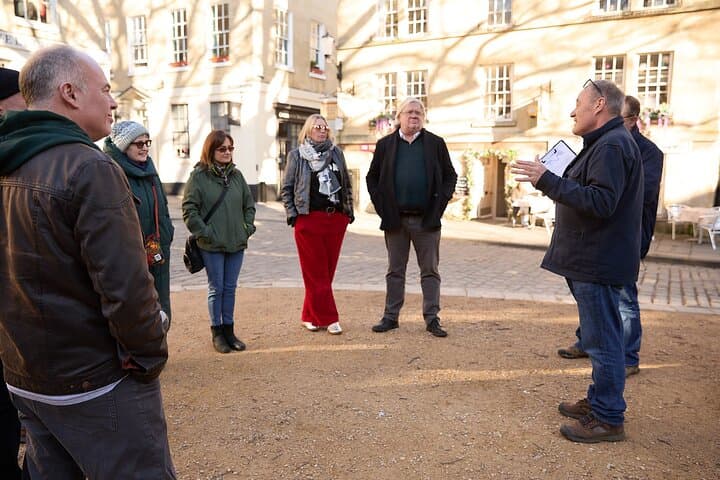
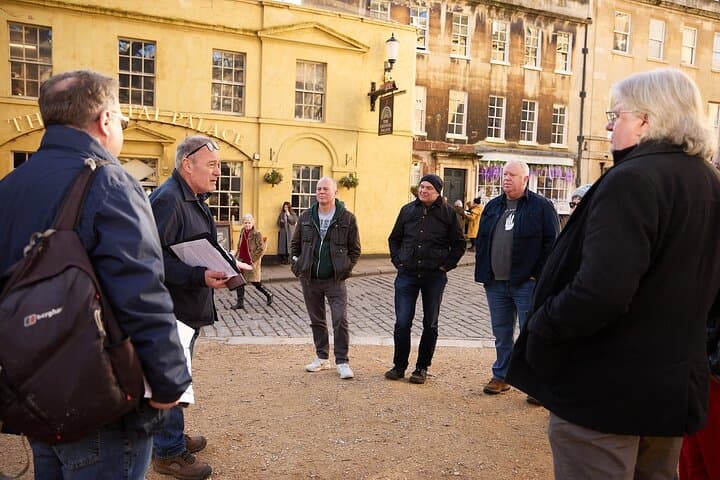
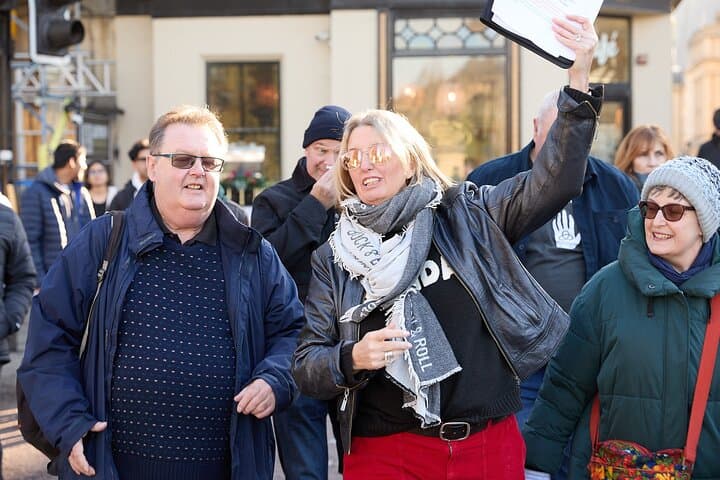
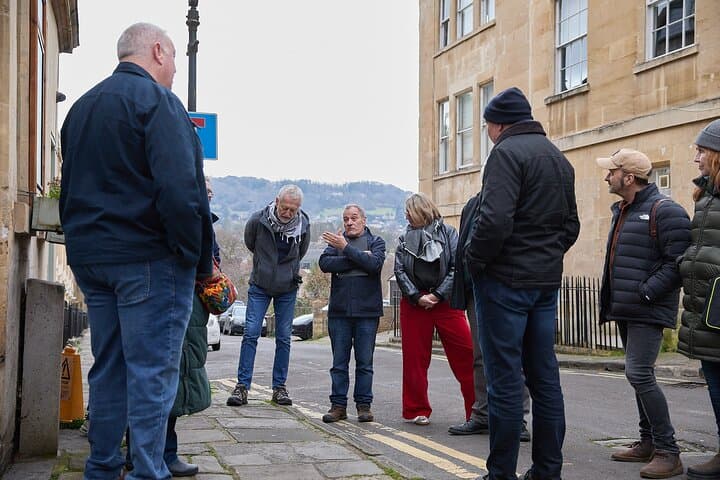
You step off the Georgian pavement and the city exhales music—brass-era crescents give way to graffiti-scarred alleyways where rehearsals once echoed. Cobblestones here remember boot-stomp and cymbal crash as much as carriage wheels; the soundtrack of Bath slides between Georgian formality and gritty, late‑20th century rock.
You step off the Georgian pavement and the city exhales music—brass-era crescents give way to graffiti-scarred alleyways where rehearsals once echoed. Cobblestones here remember boot-stomp and cymbal crash as much as carriage wheels; the soundtrack of Bath slides between Georgian formality and gritty, late‑20th century rock.
Bath’s architecture and social life set the stage: 18th‑century crescents and crescendos of popular music coexisted as venues, pubs, and studios repurposed classical rooms into rehearsal spaces. Eddie Cochran’s tragic 1960 link to the area and Fleetwood Mac’s early local connections are part of a thread that runs to Moles Club—where Tears for Fears found an early audience—and Crescent Studios, which drew recording artists in the 1970s. The Bath Blues Festival helped fan a cultural spark that would blaze into nearby Glastonbury.
The walk stitches together streets, former venues, and the city’s quieter music-making corners. Guides narrate setlists alongside civic history: industrial echoes in Bath’s stone quarries, social halls that shifted from parlour music to amplified rock, and how local pubs doubled as incubation rooms for songs that would go national.
Practical note: expect about two hours of walking on uneven pavement and some steps; wear supportive shoes and bring a light rain layer. Public transport links are strong—buses and the train station place central Bath within easy reach—and tours are typically private and moderate in pace, designed for anyone with average mobility.
This walk is part urban history lesson, part music detective story: it leaves you hearing the city differently, listening for the next riff under its classical skin.