THE ADVENTURE COLLECTIVE® · Independent discovery and booking for outdoor travel

Walk the alleys of Rocinha with a resident guide and see a side of Rio many visitors miss—street art, community projects and sweeping viewpoints. This 3.5-hour tour blends history, culture and practical local insight for respectful, on-foot exploration.
Walk the alleys of Rocinha with a resident guide and see a side of Rio many visitors miss—street art, community projects and sweeping viewpoints. This 3.5-hour tour blends history, culture and practical local insight for respectful, on-foot exploration.
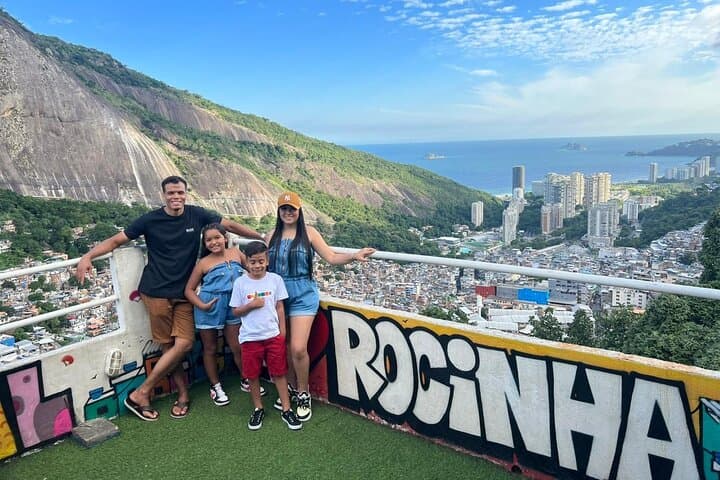
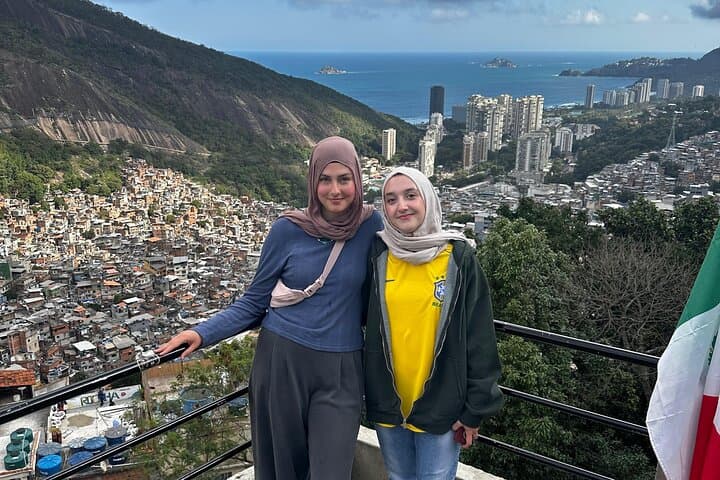
The tour begins at a busy street corner where the city’s roar softens and narrow alleys climb like a woven staircase. A local guide leads the way, and within minutes the city’s skyline opens above corrugated roofs and murals that color the walls. You feel the favela’s pulse in the markets, the cadence of children playing, and in the viewpoints that frame Rio’s bays and mountains.
Verified experiences and guided adventures in the surrounding area.
Operated by Rodrigo Indio Tours · Rio de Janeiro, Rio de Janeiro
The tour begins at a busy street corner where the city’s roar softens and narrow alleys climb like a woven staircase. A local guide leads the way, and within minutes the city’s skyline opens above corrugated roofs and murals that color the walls. You feel the favela’s pulse in the markets, the cadence of children playing, and in the viewpoints that frame Rio’s bays and mountains.
Rocinha grew from informal settlements in the mid-20th century into Latin America’s largest favela; its steep slopes are carved into granite outcrops typical of Rio’s coastal ranges. The neighborhood mixes improvised construction with formalized social projects, street art, and small businesses that tell a modern, contested urban history.
Cultural life here is visible in community centers, music on loudspeakers and artisan workshops; guides explain the local cooperatives and initiatives working to improve sanitation, education and safety. Expect close-up views of mural art, visits to social projects, and panoramas that place Sugarloaf and the Atlantic beyond a patchwork of rooftops.
Practical notes: the experience is a mostly on-foot, 3.5-hour urban walk with an initial motor-taxi climb to higher lanes. Wear sturdy walking shoes, bring water, and carry small cash for local vendors. Listen to your guide about photography etiquette and stay within the group—this is conscious tourism built on respect. The route is accessible to most fitness levels, but involves uneven steps and narrow passages. By the end you’ll have a stronger, more practical understanding of Rio beyond the postcard views.
moderate.
3–4 hours.
Suitable for most people who can handle prolonged walking and steps; not ideal for those with severe mobility limits.
Tours operate with local, vetted guides and follow safe routes; follow guide instructions and avoid wandering away from the group.
Yes—tour notes say infants sit on laps; older children should be comfortable with stairs and narrow passages.
About 3–4 hours of walking with an initial motor-taxi climb and many steep, short flights of steps—expect intermittent elevation gain.
Bring small cash for purchases and discretionary tips—many community vendors accept only cash.
Rocinha grew from mid-20th-century rural migrants settling on coastal granite slopes; over decades it evolved into a dense, locally organized neighborhood with strong community networks.
Responsible, community-based tourism supports local projects while minimizing disruption; avoid single-use plastics, ask permission before photos, and respect private spaces.
Rodrigo Indio Tours operates guided outdoor trips and adventures with an emphasis on safety, stewardship, and memorable experiences.


The tour begins at a busy street corner where the city’s roar softens and narrow alleys climb like a woven staircase. A local guide leads the way, and within minutes the city’s skyline opens above corrugated roofs and murals that color the walls. You feel the favela’s pulse in the markets, the cadence of children playing, and in the viewpoints that frame Rio’s bays and mountains.
The tour begins at a busy street corner where the city’s roar softens and narrow alleys climb like a woven staircase. A local guide leads the way, and within minutes the city’s skyline opens above corrugated roofs and murals that color the walls. You feel the favela’s pulse in the markets, the cadence of children playing, and in the viewpoints that frame Rio’s bays and mountains.
Rocinha grew from informal settlements in the mid-20th century into Latin America’s largest favela; its steep slopes are carved into granite outcrops typical of Rio’s coastal ranges. The neighborhood mixes improvised construction with formalized social projects, street art, and small businesses that tell a modern, contested urban history.
Cultural life here is visible in community centers, music on loudspeakers and artisan workshops; guides explain the local cooperatives and initiatives working to improve sanitation, education and safety. Expect close-up views of mural art, visits to social projects, and panoramas that place Sugarloaf and the Atlantic beyond a patchwork of rooftops.
Practical notes: the experience is a mostly on-foot, 3.5-hour urban walk with an initial motor-taxi climb to higher lanes. Wear sturdy walking shoes, bring water, and carry small cash for local vendors. Listen to your guide about photography etiquette and stay within the group—this is conscious tourism built on respect. The route is accessible to most fitness levels, but involves uneven steps and narrow passages. By the end you’ll have a stronger, more practical understanding of Rio beyond the postcard views.