THE ADVENTURE COLLECTIVE® · Independent discovery and booking for outdoor travel

Ride a convertible jeep up Rocinha’s steep alleys to meet artisans, watch capoeira, and take sweeping views of Rio’s beaches and Christ the Redeemer. This three-hour cultural jeep tour combines vehicle panoramas with on-foot market and neighborhood visits.
Ride a convertible jeep up Rocinha’s steep alleys to meet artisans, watch capoeira, and take sweeping views of Rio’s beaches and Christ the Redeemer. This three-hour cultural jeep tour combines vehicle panoramas with on-foot market and neighborhood visits.
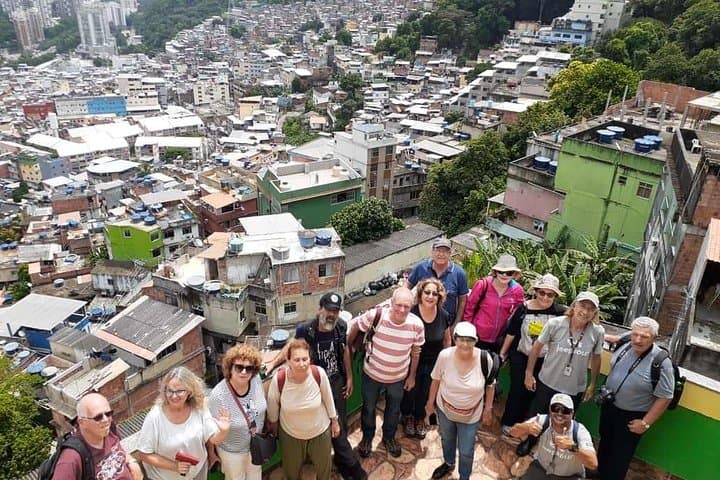
A convertible jeep climbs the steep arteries of Rocinha, tires grinding on narrow concrete and painted stairways as voices and music thread through the alleys. From the open roof the hill stretches like a lived-in map — patchwork roofs, murals, and sudden openings that throw you toward ocean light over São Conrado.
Verified experiences and guided adventures in the surrounding area.
Operated by Jeep Tour · Rio de Janeiro, Rio de Janeiro
A convertible jeep climbs the steep arteries of Rocinha, tires grinding on narrow concrete and painted stairways as voices and music thread through the alleys. From the open roof the hill stretches like a lived-in map — patchwork roofs, murals, and sudden openings that throw you toward ocean light over São Conrado.
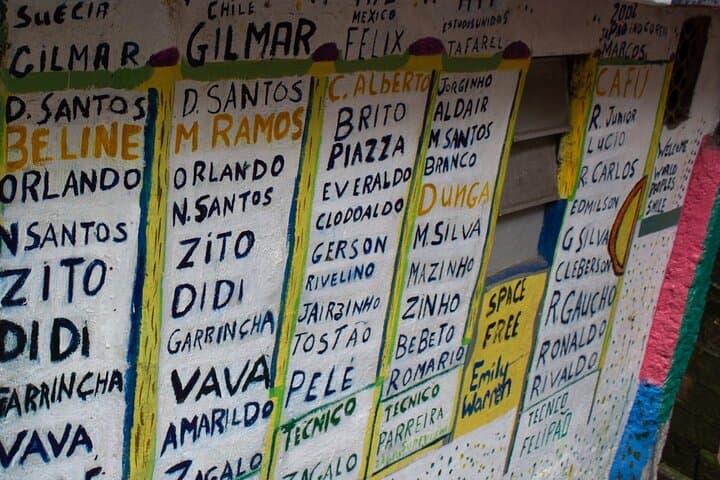
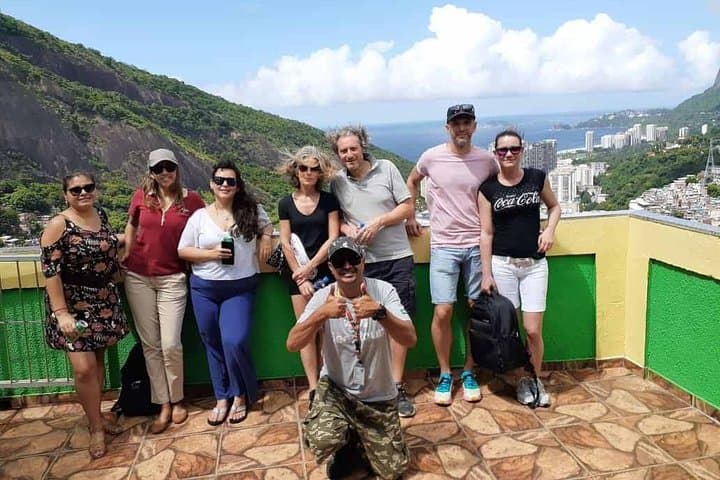
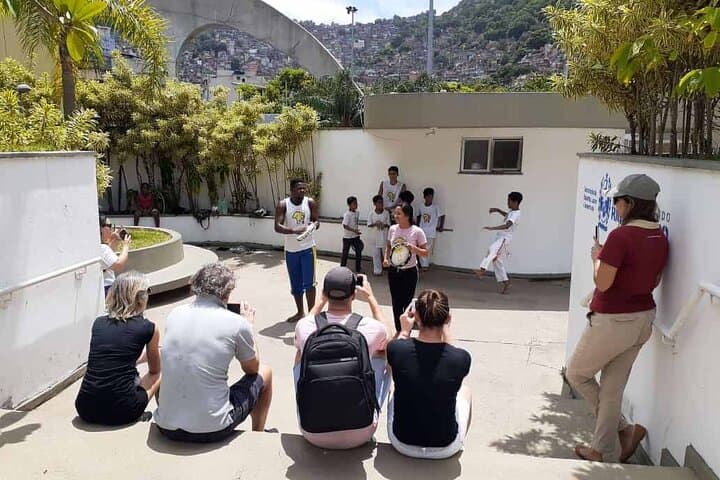
Rocinha grew during the 20th century as rural migrants settled the slope below the Tijuca Massif; its geography is literal — homes layered on a granite spine with narrow streets that demand careful footing. The culture here is present-tense: capoeira circles, markets selling Northeastern specialties, and ateliers where artisans turn everyday life into prints and sculptures. The tour highlights social projects and viewpoints that frame Corcovado’s Christ the Redeemer and the sweep of Copacabana, Ipanema and Leblon from a new angle, and it includes an opportunity to meet local artists and watch a seasonal capoeira presentation.
Practical guidance: the route mixes vehicle rides with walking through uneven alleys and stairs, so expect three hours with moderate exertion. The operator typically provides round-trip transport and a local guide; bring closed-toe shoes, a small daypack, water, and modest cash for crafts and snacks. Photograph with permission and follow the guide’s lead — etiquette matters here as much as curiosity.
Timing matters: mornings are cooler and less crowded; afternoons can bring heat and sudden showers. The experience is best approached as a cultural, urban hike: attentive, respectful, and ready for close-up encounters with everyday Rio life.
moderate.
3 hours.
Moderate fitness — able to walk on uneven surfaces and climb short flights of stairs.
Tours operate with local guides and organized transport; follow the guide’s instructions, avoid flashing valuables, and respect local customs—these measures keep visits safe and respectful.
Expect a mix of vehicle time and walking through narrow alleys and stairs—moderate fitness is recommended for short uphill stretches.
Photography is allowed in public areas, but always ask permission before photographing individuals or interiors; guides can advise where photos are appropriate.
Yes—there are artisan stalls and a small market; bring small bills for purchases and support local craftspeople.
Rocinha expanded through internal migration during the 20th century and developed complex social and economic networks on the steep slope beneath Tijuca Forest.
Sustainable visitation focuses on supporting local businesses, following guide directions, and minimizing single-use plastics—tour operators often partner with community projects to spread benefits.
Jeep Tour operates guided outdoor trips and adventures with an emphasis on safety, stewardship, and memorable experiences.
A convertible jeep climbs the steep arteries of Rocinha, tires grinding on narrow concrete and painted stairways as voices and music thread through the alleys. From the open roof the hill stretches like a lived-in map — patchwork roofs, murals, and sudden openings that throw you toward ocean light over São Conrado.
A convertible jeep climbs the steep arteries of Rocinha, tires grinding on narrow concrete and painted stairways as voices and music thread through the alleys. From the open roof the hill stretches like a lived-in map — patchwork roofs, murals, and sudden openings that throw you toward ocean light over São Conrado.
Rocinha grew during the 20th century as rural migrants settled the slope below the Tijuca Massif; its geography is literal — homes layered on a granite spine with narrow streets that demand careful footing. The culture here is present-tense: capoeira circles, markets selling Northeastern specialties, and ateliers where artisans turn everyday life into prints and sculptures. The tour highlights social projects and viewpoints that frame Corcovado’s Christ the Redeemer and the sweep of Copacabana, Ipanema and Leblon from a new angle, and it includes an opportunity to meet local artists and watch a seasonal capoeira presentation.
Practical guidance: the route mixes vehicle rides with walking through uneven alleys and stairs, so expect three hours with moderate exertion. The operator typically provides round-trip transport and a local guide; bring closed-toe shoes, a small daypack, water, and modest cash for crafts and snacks. Photograph with permission and follow the guide’s lead — etiquette matters here as much as curiosity.
Timing matters: mornings are cooler and less crowded; afternoons can bring heat and sudden showers. The experience is best approached as a cultural, urban hike: attentive, respectful, and ready for close-up encounters with everyday Rio life.