THE ADVENTURE COLLECTIVE® · Independent discovery and booking for outdoor travel

Walk Rocinha with a vetted local guide and see the favela from alleys to rooftops. This 3-hour tour blends street-level culture, steep stairways and panoramic city-and-ocean views while supporting community guides.
Walk Rocinha with a vetted local guide and see the favela from alleys to rooftops. This 3-hour tour blends street-level culture, steep stairways and panoramic city-and-ocean views while supporting community guides.
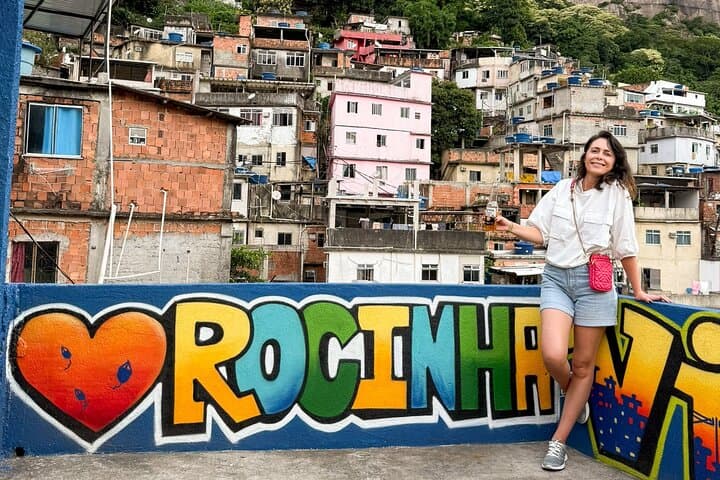
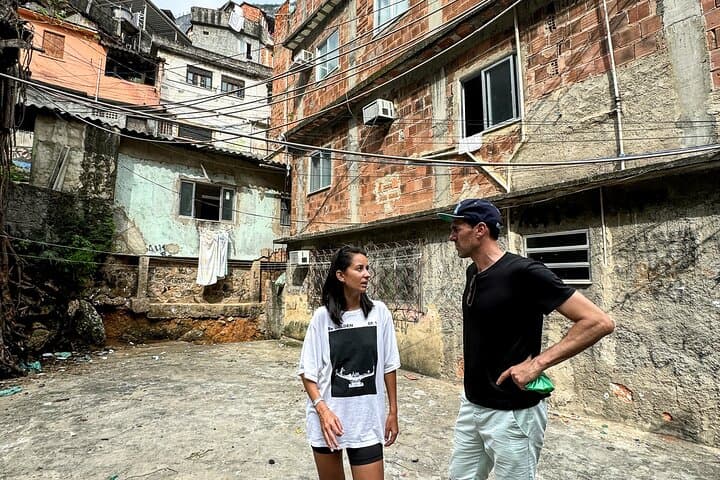
You step off the van and the city tightens — a patchwork of steep alleys, painted concrete, and narrow stairways rising toward a rooftop that opens to ocean and city in one sweep.
Verified experiences and guided adventures in the surrounding area.
Operated by Betour Turismo E Fotografia · Rio de Janeiro, Rio de Janeiro
You step off the van and the city tightens — a patchwork of steep alleys, painted concrete, and narrow stairways rising toward a rooftop that opens to ocean and city in one sweep.
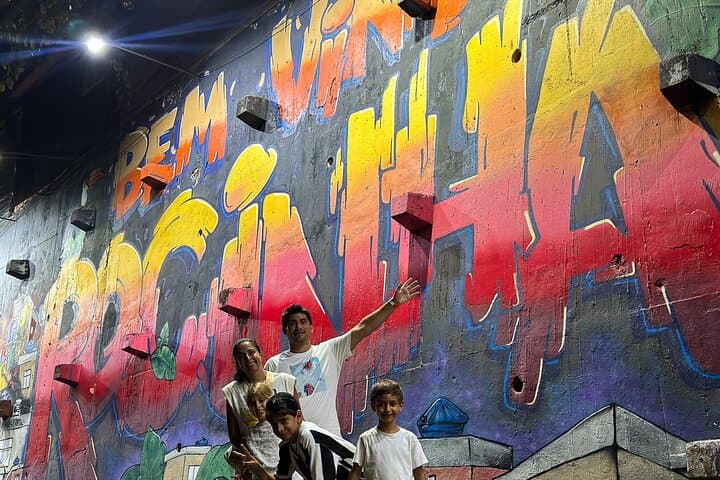
The Rocinha Favela Tour moves at a measured pace: a short ride up the hillside, followed by walking through lanes where daily life plays out on stoops, shop fronts and a busy football court. Local guides with community credentials lead the route, explaining graffiti, small businesses and the social networks that shape life here.
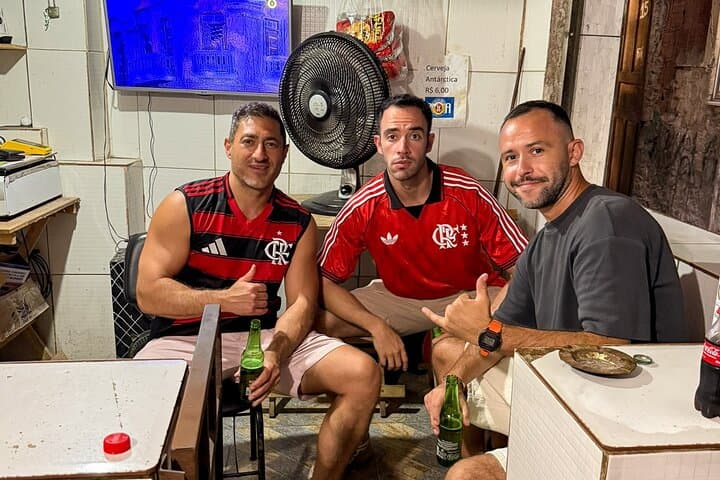
Rocinha grew rapidly in the mid-20th century as migrants built informal housing on the hillside; today its crowded lanes reveal layers of improvisation and municipal services pushing to keep up. Geologically the slope is steep and urban drainage is a constant concern — you’ll notice stair sets more than wide sidewalks. Culturally, the favela mixes faith, football and entrepreneurship: markets, small ateliers and rooftop viewpoints are part of the rhythm.
Practical notes: the walk covers roughly 1.5–2 km on uneven surfaces and many stairs; expect moderate exertion. Wear close-toed shoes, carry water and a small pack, and follow your guide’s directions — some alleys are narrow and private. Photography is welcome but ask before filming people. There’s an optional drone slot depending on permissions; confirm with your operator on the day. Tours support local guides and entry fees typically contribute to community programs, so stay respectful, keep valuables close, and plan to arrive with an open, observant attitude.
moderate.
2–3 hours.
Suitable for travelers with moderate fitness who can manage multiple flights of stairs and uneven terrain
Tours use vetted local guides with access credentials; follow the guide’s route and instructions and avoid flashing valuables to minimize risk.
Drone flights are optional and depend on permissions the day of the tour; confirm with the operator in advance and expect restrictions over crowded areas.
The route includes stairs and narrow lanes; it’s not stroller-friendly and children should be able to walk on uneven terrain.
The listed fee typically includes a community entry charge; check the operator’s details for what’s covered and any optional extras.
Rocinha expanded rapidly in the mid-20th century as rural migrants settled the hillside; today it’s one of Brazil’s largest favelas with a blend of informal housing and growing municipal services.
Community-based tours help direct revenue to local guides and projects; visitors should minimize waste, respect private spaces and prioritize local businesses to reduce visitor impact.
Betour Turismo E Fotografia operates guided outdoor trips and adventures with an emphasis on safety, stewardship, and memorable experiences.
You step off the van and the city tightens — a patchwork of steep alleys, painted concrete, and narrow stairways rising toward a rooftop that opens to ocean and city in one sweep.
You step off the van and the city tightens — a patchwork of steep alleys, painted concrete, and narrow stairways rising toward a rooftop that opens to ocean and city in one sweep.
The Rocinha Favela Tour moves at a measured pace: a short ride up the hillside, followed by walking through lanes where daily life plays out on stoops, shop fronts and a busy football court. Local guides with community credentials lead the route, explaining graffiti, small businesses and the social networks that shape life here.
Rocinha grew rapidly in the mid-20th century as migrants built informal housing on the hillside; today its crowded lanes reveal layers of improvisation and municipal services pushing to keep up. Geologically the slope is steep and urban drainage is a constant concern — you’ll notice stair sets more than wide sidewalks. Culturally, the favela mixes faith, football and entrepreneurship: markets, small ateliers and rooftop viewpoints are part of the rhythm.
Practical notes: the walk covers roughly 1.5–2 km on uneven surfaces and many stairs; expect moderate exertion. Wear close-toed shoes, carry water and a small pack, and follow your guide’s directions — some alleys are narrow and private. Photography is welcome but ask before filming people. There’s an optional drone slot depending on permissions; confirm with your operator on the day. Tours support local guides and entry fees typically contribute to community programs, so stay respectful, keep valuables close, and plan to arrive with an open, observant attitude.