THE ADVENTURE COLLECTIVE® · Independent discovery and booking for outdoor travel

A two-hour, community-led walk through the lanes of Rocinha that blends viewpoints, local art, capoeira, and social projects. Expect motorcycle transfers and stair-climbing on steep alleys guided by residents.
A two-hour, community-led walk through the lanes of Rocinha that blends viewpoints, local art, capoeira, and social projects. Expect motorcycle transfers and stair-climbing on steep alleys guided by residents.
You step off the subway and the city changes cadence: traffic hum gives way to the clatter of moto-taxis, narrow alleys (vielas) that climb like ropes up a steep coastal hill, and the Atlantic light spilling over tiled roofs.
Verified experiences and guided adventures in the surrounding area.
Operated by Rocinha favela Tour · Rio de Janeiro, Rio de Janeiro
You step off the subway and the city changes cadence: traffic hum gives way to the clatter of moto-taxis, narrow alleys (vielas) that climb like ropes up a steep coastal hill, and the Atlantic light spilling over tiled roofs.
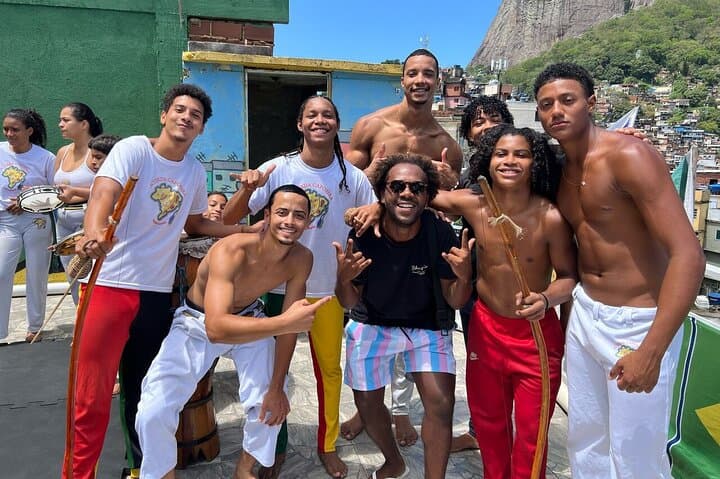
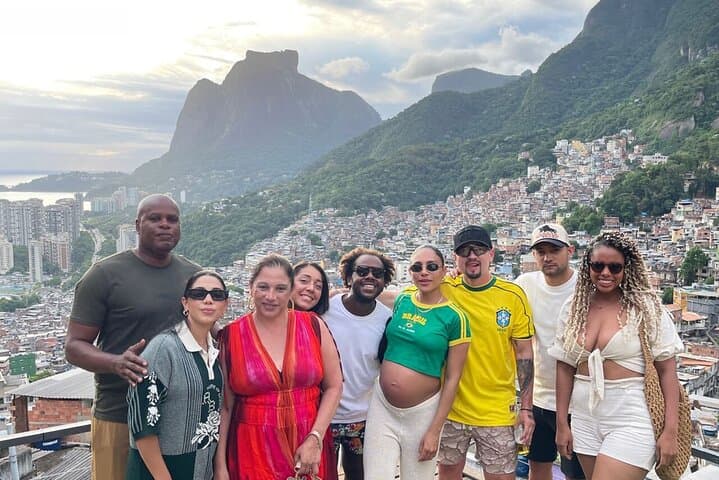
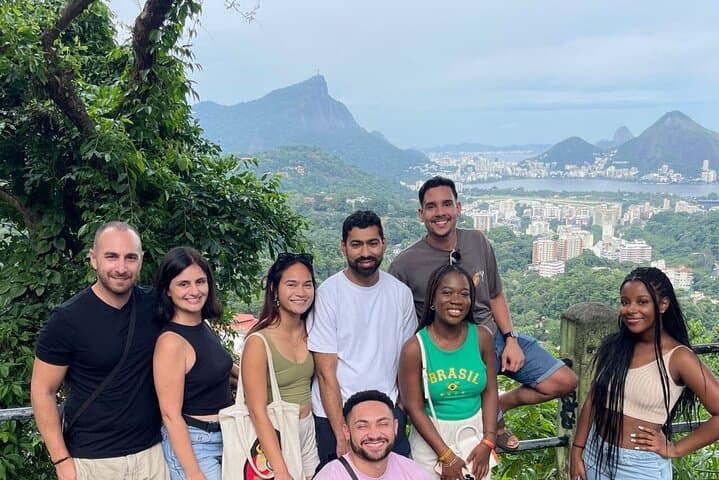
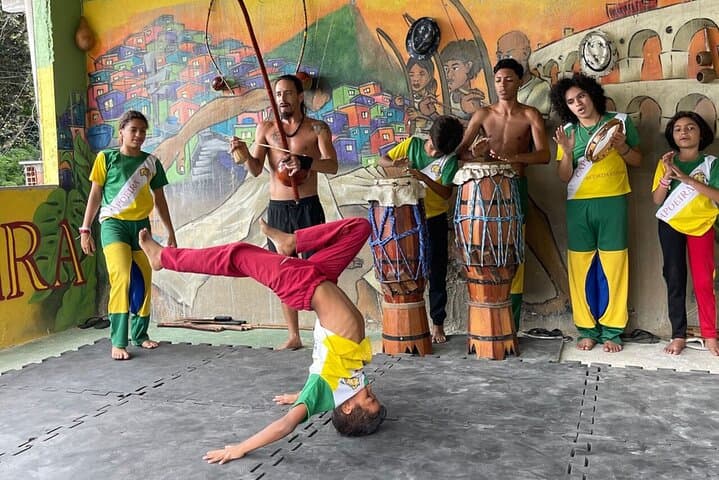
This two-hour, community-led tour moves on motorcycle and on foot through the lanes of Rocinha, offering vantage points over Rio’s southern coastline and intimate stops where local culture is active — a capoeira project practicing on concrete, mural-covered walls, and a bar with an unguarded view toward the ocean.
Rocinha grew rapidly during 20th-century rural-to-urban migration and now occupies the steep slopes between São Conrado and Gávea. The favela’s built landscape reads like layered geology: concrete terraces and stairways glued to the hillside carved from the same coastal ridges that feed Tijuca Forest’s microclimate. Social initiatives and arts collectives have recast public space here, and guides drawn from the community will walk you through stories of daily life rather than spectacle.
Expect a compact, human-scale experience: short motorcycle transfers, downhill and stair walking, and stops at community projects and viewpoints. Practical notes — wear sturdy, closed-toe shoes for uneven steps, carry a small amount of cash for local vendors, and ask permission before photographing people. The tour emphasizes respectful exchange; guides will steer conversations and explain where and when photos are appropriate.
This is a social and urban exploration best taken with curiosity, good footwear, sun protection, and an eye for how cities adapt to very steep terrain.
easy.
2 hours.
Suitable for most fitness levels; involves short motorcycle rides and walking on stairs and narrow alleys.
Organized, community-led tours with local guides and private motorcycle transfers are generally safe; follow your guide’s directions and avoid wandering off alone.
The meeting point is at the subway (specified in booking). From there the guide arranges motorcycle transfers into the favela and returns to the same meeting area.
Yes — the provider lists the tour as physically easy; however, participants should be comfortable with stairs and short motorcycle transfers. Notify the operator of mobility concerns.
Yes, but practice respectful photography: always ask permission before photographing residents or inside private spaces; the guide will advise when it’s appropriate.
Rocinha expanded rapidly during 20th-century rural-to-urban migration and developed into Rio’s largest favela with vibrant informal economies and strong community organizations.
Responsible tourism here means supporting community projects, avoiding single-use plastics, and following guide instructions to minimize disturbance and litter.
Rocinha favela Tour operates guided outdoor trips and adventures with an emphasis on safety, stewardship, and memorable experiences.
You step off the subway and the city changes cadence: traffic hum gives way to the clatter of moto-taxis, narrow alleys (vielas) that climb like ropes up a steep coastal hill, and the Atlantic light spilling over tiled roofs.
You step off the subway and the city changes cadence: traffic hum gives way to the clatter of moto-taxis, narrow alleys (vielas) that climb like ropes up a steep coastal hill, and the Atlantic light spilling over tiled roofs.
This two-hour, community-led tour moves on motorcycle and on foot through the lanes of Rocinha, offering vantage points over Rio’s southern coastline and intimate stops where local culture is active — a capoeira project practicing on concrete, mural-covered walls, and a bar with an unguarded view toward the ocean.
Rocinha grew rapidly during 20th-century rural-to-urban migration and now occupies the steep slopes between São Conrado and Gávea. The favela’s built landscape reads like layered geology: concrete terraces and stairways glued to the hillside carved from the same coastal ridges that feed Tijuca Forest’s microclimate. Social initiatives and arts collectives have recast public space here, and guides drawn from the community will walk you through stories of daily life rather than spectacle.
Expect a compact, human-scale experience: short motorcycle transfers, downhill and stair walking, and stops at community projects and viewpoints. Practical notes — wear sturdy, closed-toe shoes for uneven steps, carry a small amount of cash for local vendors, and ask permission before photographing people. The tour emphasizes respectful exchange; guides will steer conversations and explain where and when photos are appropriate.
This is a social and urban exploration best taken with curiosity, good footwear, sun protection, and an eye for how cities adapt to very steep terrain.