THE ADVENTURE COLLECTIVE® · Independent discovery and booking for outdoor travel

Ride a mototaxi up narrow lanes, watch a capoeira demo and share a family meal in Rocinha on this private two‑hour cultural tour. Practical, respectful and locally led, it reframes misconceptions about Rio’s largest favela.
Ride a mototaxi up narrow lanes, watch a capoeira demo and share a family meal in Rocinha on this private two‑hour cultural tour. Practical, respectful and locally led, it reframes misconceptions about Rio’s largest favela.
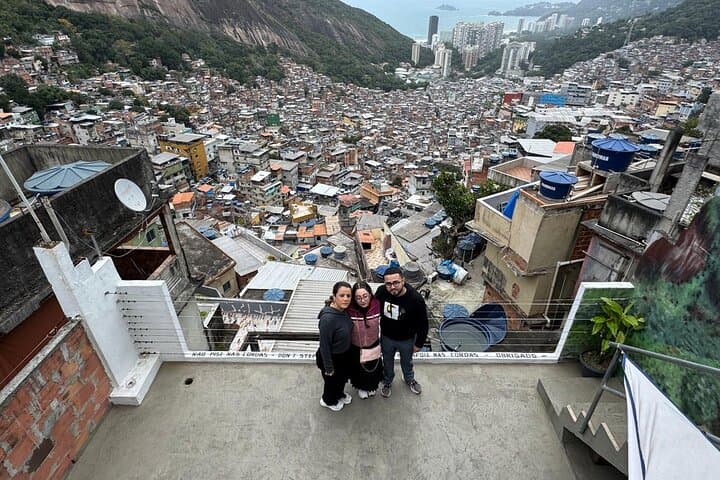
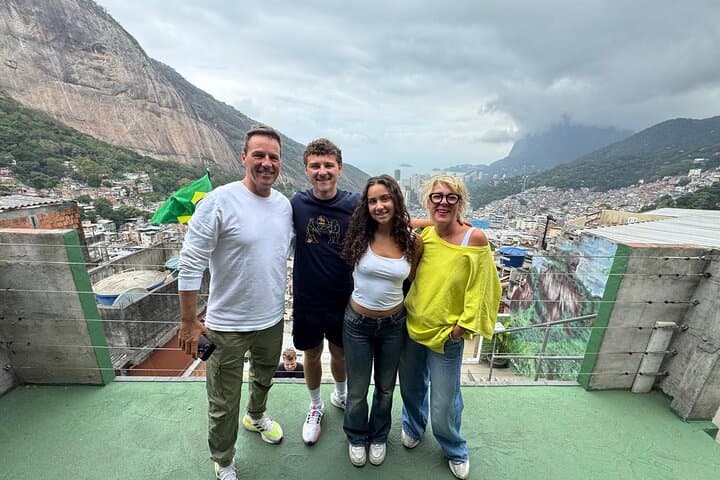
You climb into a mototaxi and the city tilts beneath you—roofs and alleyways weaving up the hillside as the Atlantic breeze pushes you forward. Within minutes the noise of Avenida Niemeyer softens; the favela opens like a neighborhood with a pulse. Guides move confidently through narrow lanes, pointing out murals, rooftop gardens and the stairways that stitch this community together.
Verified experiences and guided adventures in the surrounding area.
Operated by Mtours · Rio de Janeiro, Rio de Janeiro
You climb into a mototaxi and the city tilts beneath you—roofs and alleyways weaving up the hillside as the Atlantic breeze pushes you forward. Within minutes the noise of Avenida Niemeyer softens; the favela opens like a neighborhood with a pulse. Guides move confidently through narrow lanes, pointing out murals, rooftop gardens and the stairways that stitch this community together.
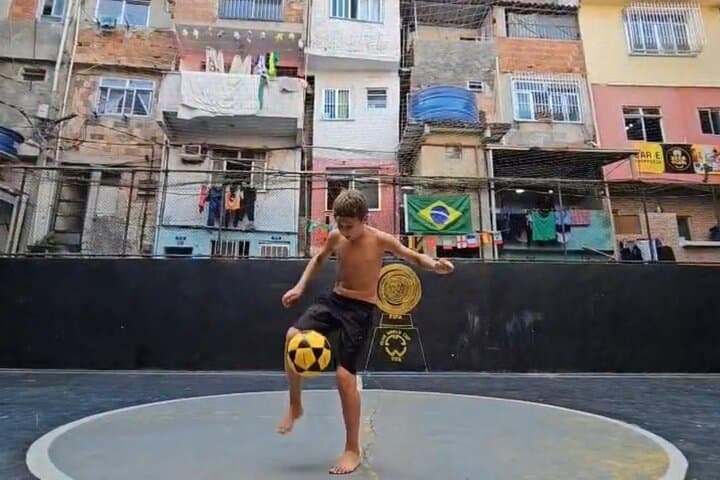
Rocinha grew from rural shanties in the early 20th century into Latin America's largest favela, built on steep granite slopes that leave little flat ground. Geology matters here: steep drains, short stone cuttings and stair-lined streets channel rain quickly, shaping how people build and move. Culture in Rocinha is vivid and practical—capoeira schools, community NGOs and local markets are everyday expressions of resilience, not tourist props.
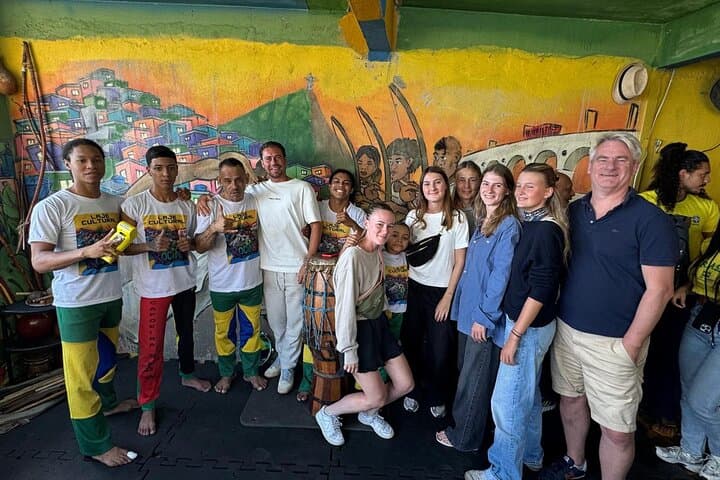
On a two-hour private tour you'll ride like a local, watch a capoeira demonstration and sit in a family's home to hear first-hand stories. Expect confined alleys, sudden stair climbs and friendly, direct conversations; this is a social immersion more than a sightseeing loop.
Practical guidance: wear grippy shoes and dress for heat and sudden showers in summer. Bring small bills for purchases and the included tourist access fee is typically covered by the operator. Respect privacy—ask before photographing people—and follow your guide's route to keep the visit safe and constructive. Aim for morning visits to avoid peak heat and to meet more residents going about their day.
easy.
2 hours.
Suitable for most fitness levels; participants should be comfortable with stairs and short steep sections.
Guided visits follow established routes and community agreements; choose operators that work directly with local organizations and follow their safety briefing.
The two-hour private tour is rated easy but includes staircases and short uphill sections—comfortable shoes and moderate mobility are recommended.
Yes, but always ask people before photographing them and follow your guide’s direction when entering private spaces.
The itinerary notes public transport and a mototaxi ascent are part of the experience; confirm pickup details with the operator when booking.
Rocinha developed through informal settlement on steep slopes in the 20th century and has evolved into a dense, self-organized community with diverse cultural initiatives.
Many local projects focus on sustainable waste management and community education; respectful touring supports local economies and minimizes disruption.
Mtours operates guided outdoor trips and adventures with an emphasis on safety, stewardship, and memorable experiences.
You climb into a mototaxi and the city tilts beneath you—roofs and alleyways weaving up the hillside as the Atlantic breeze pushes you forward. Within minutes the noise of Avenida Niemeyer softens; the favela opens like a neighborhood with a pulse. Guides move confidently through narrow lanes, pointing out murals, rooftop gardens and the stairways that stitch this community together.
You climb into a mototaxi and the city tilts beneath you—roofs and alleyways weaving up the hillside as the Atlantic breeze pushes you forward. Within minutes the noise of Avenida Niemeyer softens; the favela opens like a neighborhood with a pulse. Guides move confidently through narrow lanes, pointing out murals, rooftop gardens and the stairways that stitch this community together.
Rocinha grew from rural shanties in the early 20th century into Latin America's largest favela, built on steep granite slopes that leave little flat ground. Geology matters here: steep drains, short stone cuttings and stair-lined streets channel rain quickly, shaping how people build and move. Culture in Rocinha is vivid and practical—capoeira schools, community NGOs and local markets are everyday expressions of resilience, not tourist props.
On a two-hour private tour you'll ride like a local, watch a capoeira demonstration and sit in a family's home to hear first-hand stories. Expect confined alleys, sudden stair climbs and friendly, direct conversations; this is a social immersion more than a sightseeing loop.
Practical guidance: wear grippy shoes and dress for heat and sudden showers in summer. Bring small bills for purchases and the included tourist access fee is typically covered by the operator. Respect privacy—ask before photographing people—and follow your guide's route to keep the visit safe and constructive. Aim for morning visits to avoid peak heat and to meet more residents going about their day.