THE ADVENTURE COLLECTIVE® · Independent discovery and booking for outdoor travel

Walk Rocinha with a local guide for a direct, respectful look at Brazil’s largest favela — rooftop views, community projects and a short motorcycle-taxi ride combine culture and cityscape in 2–3 hours.
Walk Rocinha with a local guide for a direct, respectful look at Brazil’s largest favela — rooftop views, community projects and a short motorcycle-taxi ride combine culture and cityscape in 2–3 hours.
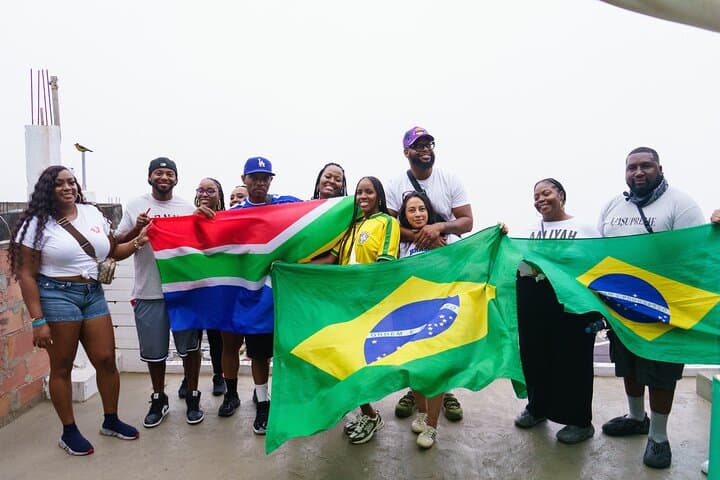
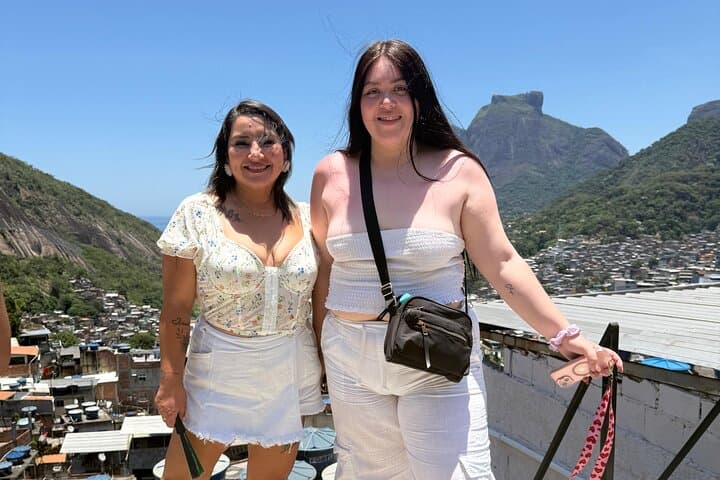
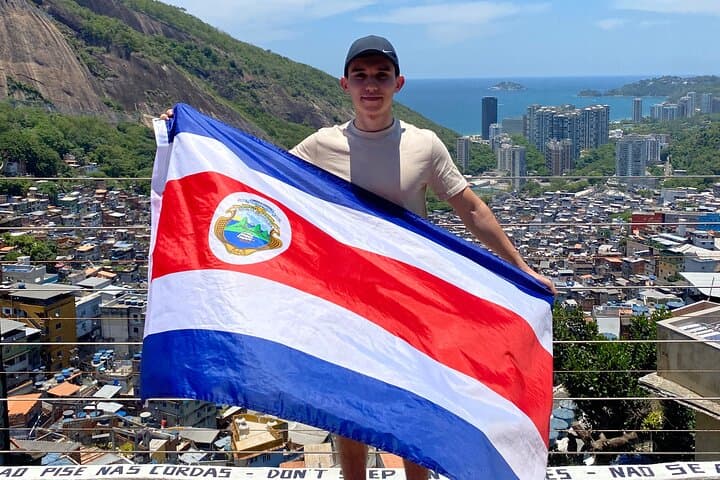
A narrow alley opens onto a sun-washed concrete terrace and the city unfolds: red-tile roofs stepping down toward the South Zone, Corcovado’s silhouette watching from the hills. On the City Tour Rocinha, a local guide threads visitors through a dense urban maze where music, murals and market stalls set the pace.
Verified experiences and guided adventures in the surrounding area.
Operated by Vidtourbrasil · Rio de Janeiro, Rio de Janeiro
A narrow alley opens onto a sun-washed concrete terrace and the city unfolds: red-tile roofs stepping down toward the South Zone, Corcovado’s silhouette watching from the hills. On the City Tour Rocinha, a local guide threads visitors through a dense urban maze where music, murals and market stalls set the pace.
Rocinha began as an informal settlement in the early 20th century and grew into Brazil’s largest favela, carved into a steep granite slope that meets the Atlantic. The geology is obvious in stairways cut into rock and roofs that follow contour lines; culture is equally visible in painted walls, small businesses and community social projects that reclaim spaces for education and sport.
The tour combines a guided walk with short motorcycle-taxi hops, a stop at the community football court and time at projects where guides explain local initiatives. Photographers find compelling street portraits and terraces with sweeping views of Rio’s southern neighborhoods. The experience is urban and immediate — not a museum of poverty but a working neighborhood with entrepreneurs, children playing and neighbors calling across rooftops.
Practical guidance: expect 2–3 hours of walking on uneven steps and narrow lanes; wear closed-toe shoes, carry small bills for local purchases and ask before photographing people. The tour is organized with local partners to prioritize safety and respect; bring water, sun protection and curiosity. For travelers who want cultural context alongside vivid street-level perspective, this tour delivers an accessible, grounded look at contemporary life in Rocinha.
easy.
2–3 hours.
Suitable for most walkers in reasonable health; requires negotiating stairs and short uphill sections.
Tours operate with local guides and are organized to prioritize safety; follow your guide’s instructions, avoid flashing valuables and stay with the group.
Yes, but always ask permission before photographing individuals, interior spaces or sensitive scenes; your guide can advise on appropriate moments.
The itinerary includes short motorcycle-taxi segments to reach viewpoints; these are optional and guided arrangements are used to reduce risk.
The tour is family-friendly but involves stairs and uneven surfaces; consider mobility limits and opt out of motorcycle segments if concerned.
Rocinha grew from early 20th-century informal housing into Rio’s largest favela; community organizations and social projects now play a major role in local services and cultural life.
Respectful tourism supports local economies; prioritize official social projects and small businesses, avoid intrusive photography and follow guides’ rules to minimize disruption.
Vidtourbrasil operates guided outdoor trips and adventures with an emphasis on safety, stewardship, and memorable experiences.

A narrow alley opens onto a sun-washed concrete terrace and the city unfolds: red-tile roofs stepping down toward the South Zone, Corcovado’s silhouette watching from the hills. On the City Tour Rocinha, a local guide threads visitors through a dense urban maze where music, murals and market stalls set the pace.
A narrow alley opens onto a sun-washed concrete terrace and the city unfolds: red-tile roofs stepping down toward the South Zone, Corcovado’s silhouette watching from the hills. On the City Tour Rocinha, a local guide threads visitors through a dense urban maze where music, murals and market stalls set the pace.
Rocinha began as an informal settlement in the early 20th century and grew into Brazil’s largest favela, carved into a steep granite slope that meets the Atlantic. The geology is obvious in stairways cut into rock and roofs that follow contour lines; culture is equally visible in painted walls, small businesses and community social projects that reclaim spaces for education and sport.
The tour combines a guided walk with short motorcycle-taxi hops, a stop at the community football court and time at projects where guides explain local initiatives. Photographers find compelling street portraits and terraces with sweeping views of Rio’s southern neighborhoods. The experience is urban and immediate — not a museum of poverty but a working neighborhood with entrepreneurs, children playing and neighbors calling across rooftops.
Practical guidance: expect 2–3 hours of walking on uneven steps and narrow lanes; wear closed-toe shoes, carry small bills for local purchases and ask before photographing people. The tour is organized with local partners to prioritize safety and respect; bring water, sun protection and curiosity. For travelers who want cultural context alongside vivid street-level perspective, this tour delivers an accessible, grounded look at contemporary life in Rocinha.