THE ADVENTURE COLLECTIVE® · Independent discovery and booking for outdoor travel

A guided, three-hour walk through Favela da Rocinha that mixes steep neighborhood climbs, rooftop viewpoints over Rodrigo de Freitas Lagoon, and visits to local arts spaces. Learn the community’s history and contemporary initiatives from a bilingual guide while practicing respectful, responsible tourism.
A guided, three-hour walk through Favela da Rocinha that mixes steep neighborhood climbs, rooftop viewpoints over Rodrigo de Freitas Lagoon, and visits to local arts spaces. Learn the community’s history and contemporary initiatives from a bilingual guide while practicing respectful, responsible tourism.
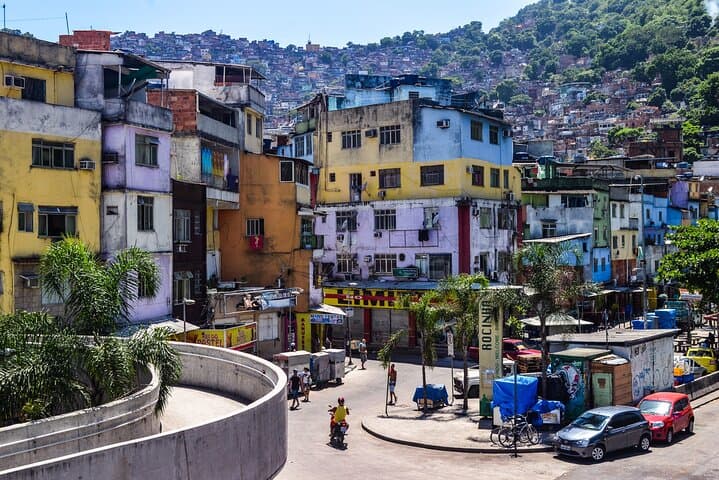
You step through a narrow gate and the city opens in tiers—tiles, laundry lines, and alleys climbing like braided ropes toward a high lookout. The soundscape shifts from distant traffic to children playing and radios filtering out from courtyard kitchens; the trail up Rocinha forces you to slow, look, and listen.
Verified experiences and guided adventures in the surrounding area.
Operated by Brasil Show Turismo - Agência de Turismo Rio de Janeiro · Rio de Janeiro, Rio de Janeiro
You step through a narrow gate and the city opens in tiers—tiles, laundry lines, and alleys climbing like braided ropes toward a high lookout. The soundscape shifts from distant traffic to children playing and radios filtering out from courtyard kitchens; the trail up Rocinha forces you to slow, look, and listen.
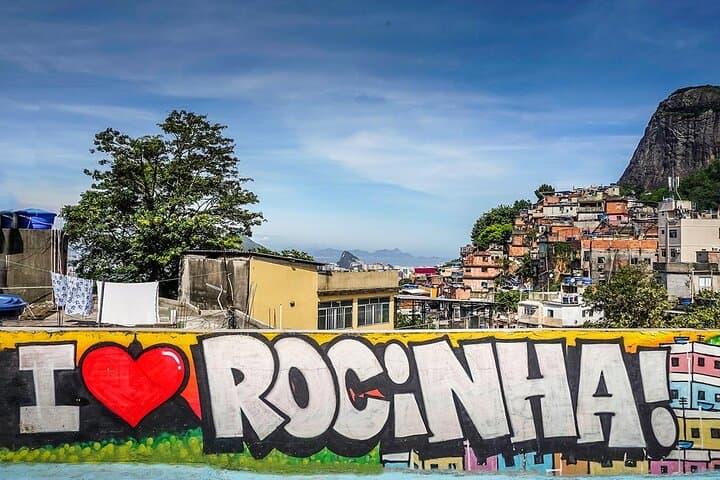
Rocinha began as an informal hillside settlement in the early 20th century and grew into Brazil’s largest favela, layered on steep slopes of Atlantic Forest remnant and weathered granite. On this three-hour guided walk you’ll reach Mirante Portão do Céu, which frames Rodrigo de Freitas Lagoon and the surrounding neighborhoods, then descend through alleys that reveal street art, community cultural centers, and small artist studios.
The route is primarily paved stairs and narrow lanes—expect steep climbs and uneven surfaces rather than formal hiking trails. Cultural context is central: guides explain local social and economic history, community initiatives, and how residents use rooftops, courtyards, and creative spaces to carve out public life.
Practical guidance: wear sturdy, closed shoes for stair sections and non-slip surfaces; bring water and sun protection; travel light and keep valuables discreet. Respect residents’ privacy—ask before photographing people or homes and follow your guide’s lead. The tour is family-friendly in pace but not stroller-accessible; it’s suitable for most fitness levels but not recommended for those with spinal, heart, or pregnancy concerns. End your walk by supporting a local café or art house—community-led businesses are the best way to make your visit matter.
easy.
3 hours.
Suitable for most people with basic mobility; expect stair climbing and short uphill sections so basic cardiovascular fitness helps.
The tour lasts about three hours and covers the community’s main viewpoints and alleys; distance varies with stops but expect moderate walking with notable stair sections.
Guided tours are organized with local knowledge; follow your guide’s instructions, avoid showing valuables, and stay with the group—these steps minimize risk.
Children are welcome, but infants must sit on an adult’s lap; the route includes stairs and is not stroller-friendly.
This tour includes a bilingual guide and runs as a shared tour with up to about 15 travelers, offering a small-group experience.
Rocinha grew in the 20th century from informal hillside occupation into a densely populated neighborhood known for strong community networks and cultural production.
Responsible tourism supports local businesses and cultural centers; avoid littering, ask before photographing residents, and purchase locally made goods where possible to keep money in the community.
Brasil Show Turismo - Agência de Turismo Rio de Janeiro operates guided outdoor trips and adventures with an emphasis on safety, stewardship, and memorable experiences.

You step through a narrow gate and the city opens in tiers—tiles, laundry lines, and alleys climbing like braided ropes toward a high lookout. The soundscape shifts from distant traffic to children playing and radios filtering out from courtyard kitchens; the trail up Rocinha forces you to slow, look, and listen.
You step through a narrow gate and the city opens in tiers—tiles, laundry lines, and alleys climbing like braided ropes toward a high lookout. The soundscape shifts from distant traffic to children playing and radios filtering out from courtyard kitchens; the trail up Rocinha forces you to slow, look, and listen.
Rocinha began as an informal hillside settlement in the early 20th century and grew into Brazil’s largest favela, layered on steep slopes of Atlantic Forest remnant and weathered granite. On this three-hour guided walk you’ll reach Mirante Portão do Céu, which frames Rodrigo de Freitas Lagoon and the surrounding neighborhoods, then descend through alleys that reveal street art, community cultural centers, and small artist studios.
The route is primarily paved stairs and narrow lanes—expect steep climbs and uneven surfaces rather than formal hiking trails. Cultural context is central: guides explain local social and economic history, community initiatives, and how residents use rooftops, courtyards, and creative spaces to carve out public life.
Practical guidance: wear sturdy, closed shoes for stair sections and non-slip surfaces; bring water and sun protection; travel light and keep valuables discreet. Respect residents’ privacy—ask before photographing people or homes and follow your guide’s lead. The tour is family-friendly in pace but not stroller-accessible; it’s suitable for most fitness levels but not recommended for those with spinal, heart, or pregnancy concerns. End your walk by supporting a local café or art house—community-led businesses are the best way to make your visit matter.