THE ADVENTURE COLLECTIVE® · Independent discovery and booking for outdoor travel

Walk a limestone ridge shaped by time and human hands on a four-hour guided outing to Rocha da Pena. Expect rare plants, raptor sightings, and clear geological cross-sections explained by a longtime local guide.
Walk a limestone ridge shaped by time and human hands on a four-hour guided outing to Rocha da Pena. Expect rare plants, raptor sightings, and clear geological cross-sections explained by a longtime local guide.
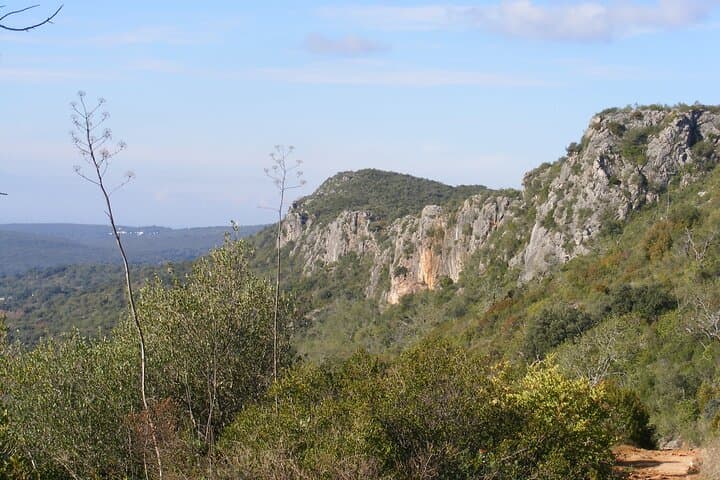
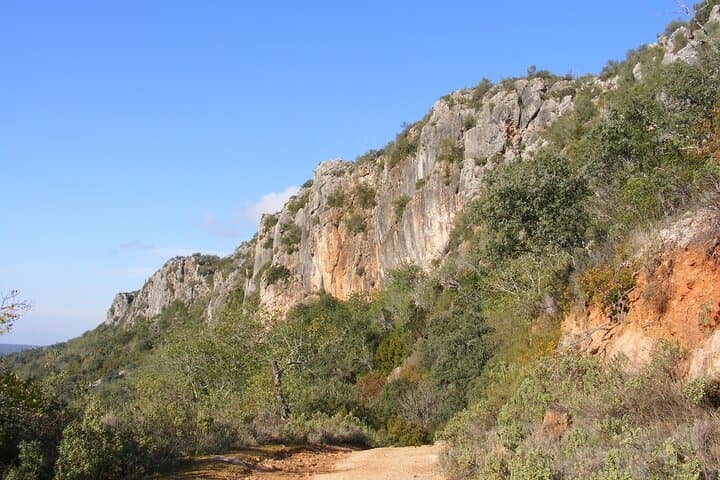
You begin on a narrow track where wind and stone have carved a quiet skyline: the limestone escarpments of Rocha da Pena rise like a ragged spine against the Algarve light. The guide leads the group with the assured pace of someone who has mapped these slopes for decades, pausing to point out a rare orchid clinging to a crevice or the silhouette of a buzzard riding a thermal.
Verified experiences and guided adventures in the surrounding area.
Operated by Morgan's Nature Walks · São Brás de Alportel, Faro District
You begin on a narrow track where wind and stone have carved a quiet skyline: the limestone escarpments of Rocha da Pena rise like a ragged spine against the Algarve light. The guide leads the group with the assured pace of someone who has mapped these slopes for decades, pausing to point out a rare orchid clinging to a crevice or the silhouette of a buzzard riding a thermal.
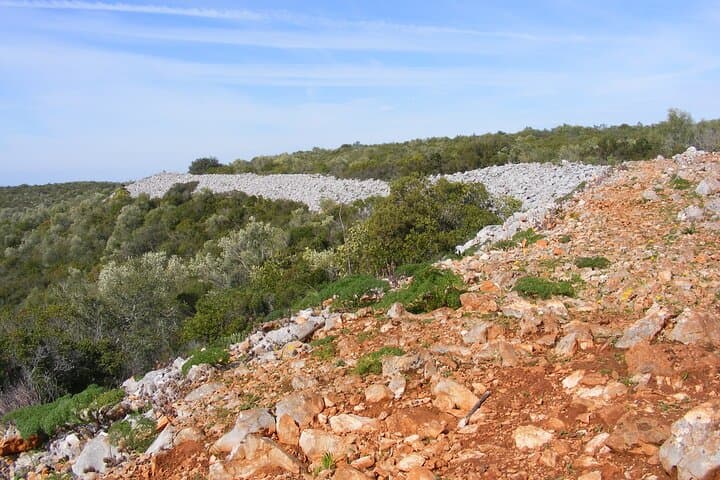
Designated a Local Protected Landscape in 1991, Rocha da Pena is both a geological monument and a living herbarium. Composed of limestone strata aged by erosion, the ridge exposes fossil layers and the Neolithic defensive wall that crowns its highest points. Cultural traces—prehistoric salamander carvings and agricultural terraces—speak to centuries of human use. Botanically, the area hosts over 500 plant species; birdlife includes Bonelli’s Eagle and several raptors, while shy mammals like the Egyptian mongoose and fox slip through scrub at dawn.
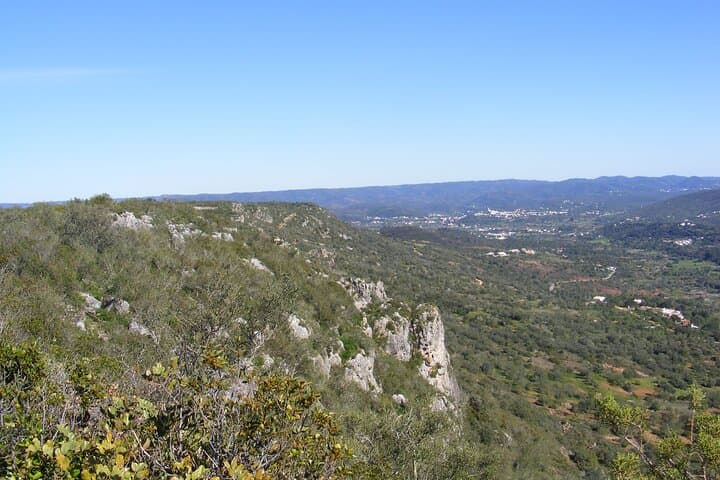
On a four-hour guided route visitors get panoramic views across the inland Algarve, concentrated natural-history interpretation, and pointed insights into conservation challenges—erosion control, grazing impacts, and invasive species. Wear sturdy hiking shoes; trails are uneven limestone with short scrambles. Spring brings wildflowers and manageable temperatures; summer can be hot and exposed, so start early. The tour is private, moderately paced, and best for those with a basic level of fitness.
Practical notes: bring sun protection, water (bottled water provided on request), binoculars for raptor watching, and respect no-trace guidelines. The guide’s local knowledge turns geology and sparse ruins into a readable landscape—scientific, tactile, and immediate.
moderate.
3–4 hours.
Moderate fitness—able to handle steady walking on uneven terrain and short steep sections
The tour lasts about four hours and is rated moderate—expect steady walking over uneven limestone with short ascents and rocky sections.
No—wildlife is shy. Guides increase your chances by moving quietly and positioning for views, but sightings of eagles or mammals cannot be guaranteed.
It’s family-friendly for active children and older adults who are comfortable walking a few kilometers on uneven ground; inform the operator about any mobility concerns when booking.
A knowledgeable local guide and bottled water (on request) are included; bookings are instant and mobile tickets accepted—see the referral link for availability and pickup details.
Rocha da Pena was declared a Local Protected Landscape in 1991; archaeological features include Neolithic walls and evidence of prehistoric activity.
This small protected area relies on managed grazing and trail stewardship to protect rare plant communities—stick to trails and avoid collecting specimens.
Morgan's Nature Walks operates guided outdoor trips and adventures with an emphasis on safety, stewardship, and memorable experiences.
You begin on a narrow track where wind and stone have carved a quiet skyline: the limestone escarpments of Rocha da Pena rise like a ragged spine against the Algarve light. The guide leads the group with the assured pace of someone who has mapped these slopes for decades, pausing to point out a rare orchid clinging to a crevice or the silhouette of a buzzard riding a thermal.
You begin on a narrow track where wind and stone have carved a quiet skyline: the limestone escarpments of Rocha da Pena rise like a ragged spine against the Algarve light. The guide leads the group with the assured pace of someone who has mapped these slopes for decades, pausing to point out a rare orchid clinging to a crevice or the silhouette of a buzzard riding a thermal.
Designated a Local Protected Landscape in 1991, Rocha da Pena is both a geological monument and a living herbarium. Composed of limestone strata aged by erosion, the ridge exposes fossil layers and the Neolithic defensive wall that crowns its highest points. Cultural traces—prehistoric salamander carvings and agricultural terraces—speak to centuries of human use. Botanically, the area hosts over 500 plant species; birdlife includes Bonelli’s Eagle and several raptors, while shy mammals like the Egyptian mongoose and fox slip through scrub at dawn.
On a four-hour guided route visitors get panoramic views across the inland Algarve, concentrated natural-history interpretation, and pointed insights into conservation challenges—erosion control, grazing impacts, and invasive species. Wear sturdy hiking shoes; trails are uneven limestone with short scrambles. Spring brings wildflowers and manageable temperatures; summer can be hot and exposed, so start early. The tour is private, moderately paced, and best for those with a basic level of fitness.
Practical notes: bring sun protection, water (bottled water provided on request), binoculars for raptor watching, and respect no-trace guidelines. The guide’s local knowledge turns geology and sparse ruins into a readable landscape—scientific, tactile, and immediate.