THE ADVENTURE COLLECTIVE® · Independent discovery and booking for outdoor travel

Cross the harbor to Robben Island for a guided small-group walk through South Africa’s most resonant prison site. This practical guide prepares you for the ferry, the wind, and the powerful stories you’ll encounter.
Cross the harbor to Robben Island for a guided small-group walk through South Africa’s most resonant prison site. This practical guide prepares you for the ferry, the wind, and the powerful stories you’ll encounter.
A low-slung ferry cuts through the Atlantic spray and the island’s whitewashed buildings resolve from the horizon — Robben Island sits like a guarded memory, wind pushing travelers toward its shoreline. The walk begins where stone, sea and sky meet: a short transfer from Cape Town, a ferry ride across the cold blue, then a measured, narrated route through cells, courtyards and the limestone quarries that shaped prisoners’ days.
Verified experiences and guided adventures in the surrounding area.
Operated by Cape View Tours · Cape Town, Western Cape
A low-slung ferry cuts through the Atlantic spray and the island’s whitewashed buildings resolve from the horizon — Robben Island sits like a guarded memory, wind pushing travelers toward its shoreline. The walk begins where stone, sea and sky meet: a short transfer from Cape Town, a ferry ride across the cold blue, then a measured, narrated route through cells, courtyards and the limestone quarries that shaped prisoners’ days.
Robben Island’s story is geological and political. Once a maritime navigational hazard of table-top rock and calcium-rich soils, it became a naval base and later a maximum-security prison where Nelson Mandela and other anti-apartheid leaders were held. Guides, often with direct links to that history, relate both national struggle and the island’s role in Cape Town’s coastal defenses.
Culturally the island is solemn and instructive rather than celebratory — the tours emphasize remembrance and reconciliation. Seabirds wheel overhead; the Atlantic seems to dare visitors to forget nothing. Along the walk you’ll see quarry scars, the small prison cells, and viewpoints back toward Table Mountain that frame the human stories.
Practical notes: tours run mornings (ferry included), last about 4–6 hours, and include hotel pickup and entrance fees. Expect wind, cold water spray on the ferry, and uneven surfaces on the island — bring layers, sturdy shoes, and your passport. The experience is accessible for most fitness levels but can be emotional; allow time after the tour to absorb the visit and return to Cape Town’s quieter streets.
easy.
4–6 hours.
Suitable for most fitness levels; involves walking on uneven ground and short climbs.
The full experience is 4–6 hours and includes hotel pickup, return transfer, ferry crossing, entrance fees and a guided walking tour of key sites on Robben Island.
The tour notes wheelchair accessibility, but some paths are uneven; contact the operator in advance to confirm specific access needs and assistance.
Photography is generally allowed at most outdoor areas, but be respectful of restricted zones and any instructions from guides regarding sensitive locations.
Ferry operations are subject to sea and weather conditions; the operator’s cancellation policy allows full refund if canceled with sufficient notice—confirm specifics when booking.
Robben Island was used as a prison for political detainees during apartheid; Nelson Mandela’s long incarceration there made the island a symbol of South Africa’s struggle and subsequent reconciliation.
Robben Island is both a cultural UNESCO World Heritage Site and an ecological reserve—visitors are encouraged to stick to paths, avoid disturbing bird colonies, and follow guide instructions to protect fragile habitats.
Cape View Tours operates guided outdoor trips and adventures with an emphasis on safety, stewardship, and memorable experiences.
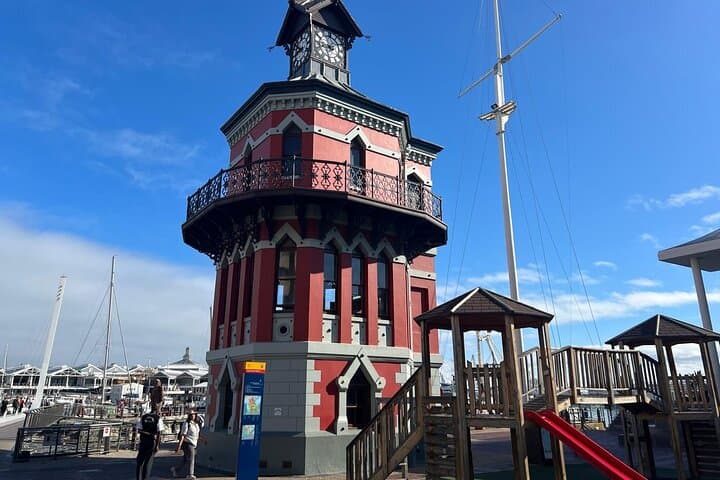
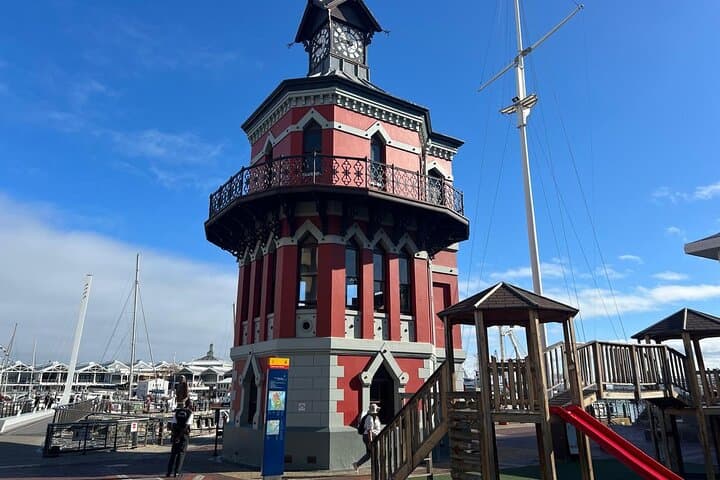
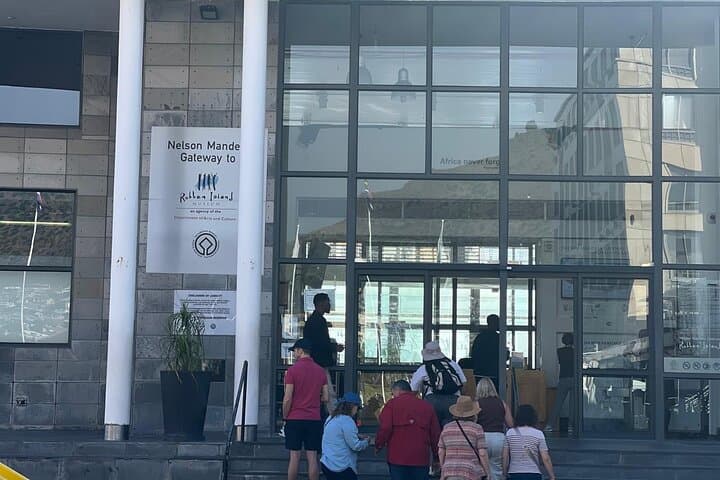
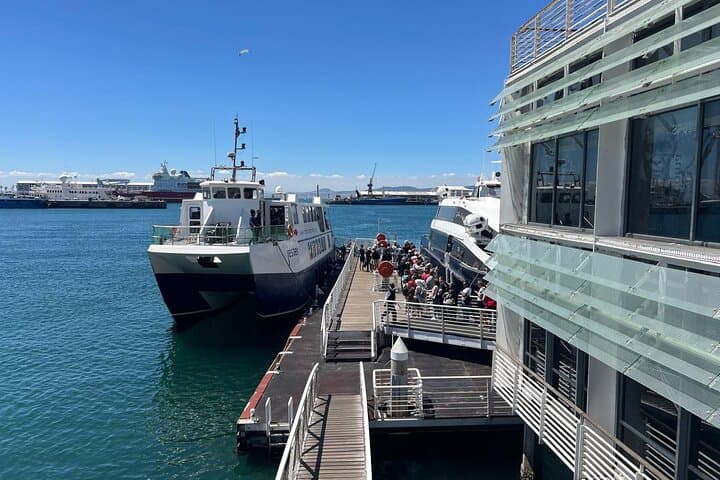
A low-slung ferry cuts through the Atlantic spray and the island’s whitewashed buildings resolve from the horizon — Robben Island sits like a guarded memory, wind pushing travelers toward its shoreline. The walk begins where stone, sea and sky meet: a short transfer from Cape Town, a ferry ride across the cold blue, then a measured, narrated route through cells, courtyards and the limestone quarries that shaped prisoners’ days.
A low-slung ferry cuts through the Atlantic spray and the island’s whitewashed buildings resolve from the horizon — Robben Island sits like a guarded memory, wind pushing travelers toward its shoreline. The walk begins where stone, sea and sky meet: a short transfer from Cape Town, a ferry ride across the cold blue, then a measured, narrated route through cells, courtyards and the limestone quarries that shaped prisoners’ days.
Robben Island’s story is geological and political. Once a maritime navigational hazard of table-top rock and calcium-rich soils, it became a naval base and later a maximum-security prison where Nelson Mandela and other anti-apartheid leaders were held. Guides, often with direct links to that history, relate both national struggle and the island’s role in Cape Town’s coastal defenses.
Culturally the island is solemn and instructive rather than celebratory — the tours emphasize remembrance and reconciliation. Seabirds wheel overhead; the Atlantic seems to dare visitors to forget nothing. Along the walk you’ll see quarry scars, the small prison cells, and viewpoints back toward Table Mountain that frame the human stories.
Practical notes: tours run mornings (ferry included), last about 4–6 hours, and include hotel pickup and entrance fees. Expect wind, cold water spray on the ferry, and uneven surfaces on the island — bring layers, sturdy shoes, and your passport. The experience is accessible for most fitness levels but can be emotional; allow time after the tour to absorb the visit and return to Cape Town’s quieter streets.