THE ADVENTURE COLLECTIVE® · Independent discovery and booking for outdoor travel

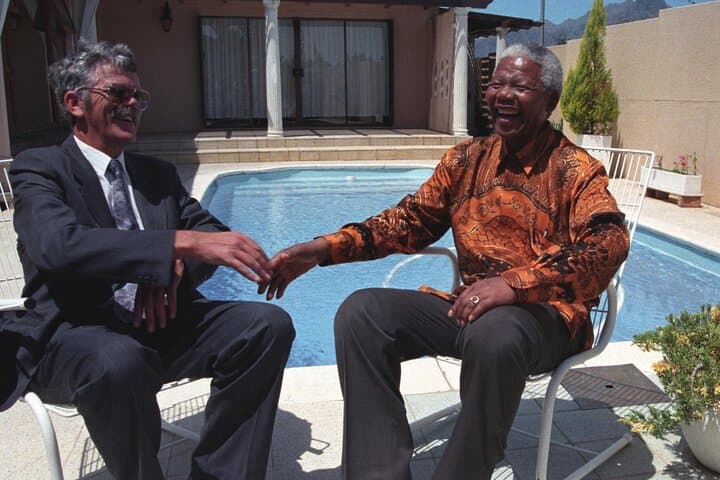
Board the ferry at the V&A Waterfront and cross to Robben Island for a guided, 5-hour tour led by Jack Swart—Mandela’s former warder and chef. Expect salt air, quarry-side walking, and direct historical storytelling at one of South Africa’s most important heritage sites.
Board the ferry at the V&A Waterfront and cross to Robben Island for a guided, 5-hour tour led by Jack Swart—Mandela’s former warder and chef. Expect salt air, quarry-side walking, and direct historical storytelling at one of South Africa’s most important heritage sites.
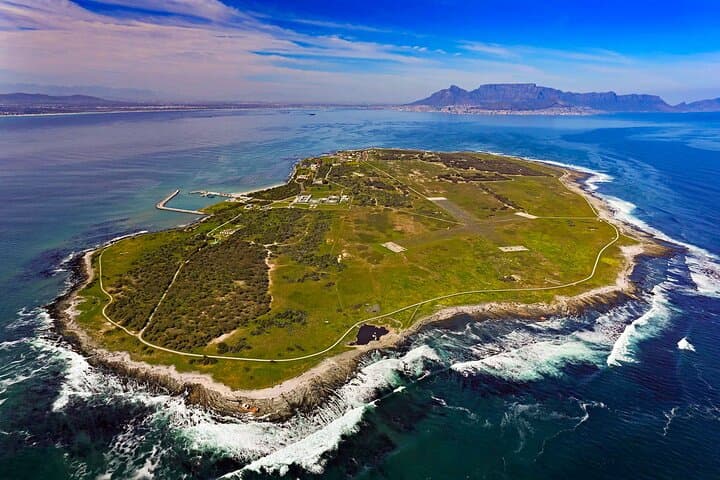
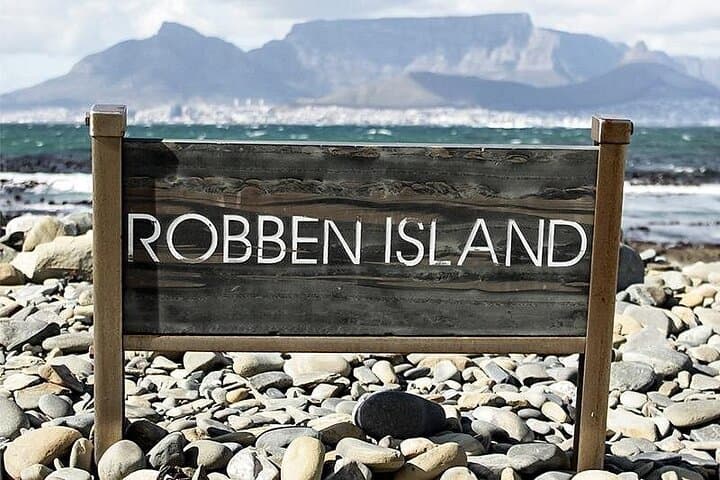
The ferry pushes off from the V&A Waterfront, salt spray lifting as Table Mountain recedes and the low silhouette of Robben Island grows. Wind cuts across open decks; gulls wheel and the island’s pale quarry faces appear like a spine against the sea. Arrival is abrupt — raw stone, weathered walls, and the neat rows of cells that held generations of political prisoners.
Verified experiences and guided adventures in the surrounding area.
Operated by Kyle Noyes-Smith · Cape Town, Western Cape
The ferry pushes off from the V&A Waterfront, salt spray lifting as Table Mountain recedes and the low silhouette of Robben Island grows. Wind cuts across open decks; gulls wheel and the island’s pale quarry faces appear like a spine against the sea. Arrival is abrupt — raw stone, weathered walls, and the neat rows of cells that held generations of political prisoners.
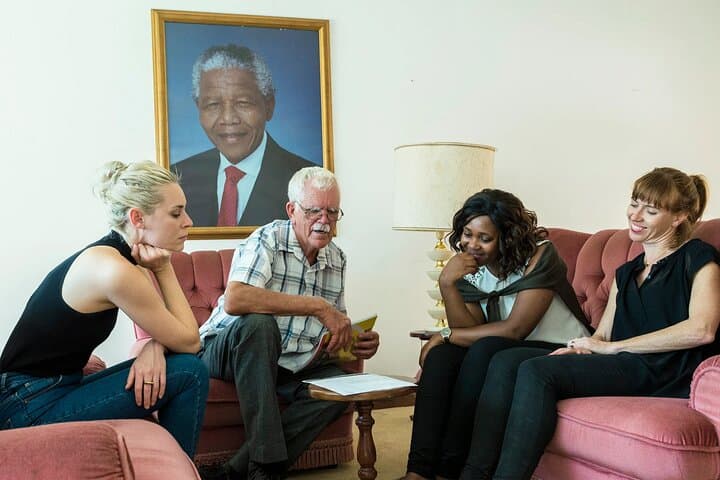
Robben Island’s history is direct and visible: a former prison, military base, and station for leprosy care that later became the site where Nelson Mandela served 18 of his 27 years behind bars. Geologically, the island is mostly Table Mountain sandstone with exposed limestone quarried during the prison years; the quarry is both a physical reminder and a landscape feature that shapes the walk. Cultural depth comes from first-person storytelling—guides and, in this program, Jack Swart, who served as Mandela’s warder and chef, provide intimate perspective and personal artifacts that humanize the archive.
Expect a 5-hour outing that mixes ferry transit, an orientation at the Nelson Mandela Gateway, and a guided island circuit with stops at the quarry, the prison museum, and the cells. Paths are compacted gravel and tarmac; mobility access is available but contact operators if you need assistance. Practicalities: arrive early at the Gateway, pack sun protection and a refillable bottle, dress in windproof layers, and allow time for ferry schedules. The tour is both a history lesson and an outdoor experience — wind and sea push you toward reflection as much as the exhibits do.
easy.
5 hours.
Suitable for general fitness; involves several short walks on flat to gently uneven surfaces
Tours typically depart from the Nelson Mandela Gateway at Cape Town’s V&A Waterfront; the round-trip ferry crossing plus island time is about 5 hours total.
The program notes wheelchair-accessible transport and island access in many areas, but some historic sites have uneven surfaces — contact the operator in advance to confirm arrangements.
Photography is generally allowed in outdoor areas; rules inside museum spaces and specific exhibits may restrict flash or tripods — follow guide instructions on-site.
Guides often include former prisoners or knowledgeable local historians; Jack Swart’s appearances are part of this specific offering but may be limited — check the schedule when booking.
Robben Island served as a prison and leprosy station in different eras; its role during apartheid and as Nelson Mandela’s place of incarceration makes it a UNESCO World Heritage Site.
Visitor numbers and pathways are managed to protect seabird colonies and fragile historic fabric; follow designated routes and avoid disturbing wildlife.
Kyle Noyes-Smith operates guided outdoor trips and adventures with an emphasis on safety, stewardship, and memorable experiences.
The ferry pushes off from the V&A Waterfront, salt spray lifting as Table Mountain recedes and the low silhouette of Robben Island grows. Wind cuts across open decks; gulls wheel and the island’s pale quarry faces appear like a spine against the sea. Arrival is abrupt — raw stone, weathered walls, and the neat rows of cells that held generations of political prisoners.
The ferry pushes off from the V&A Waterfront, salt spray lifting as Table Mountain recedes and the low silhouette of Robben Island grows. Wind cuts across open decks; gulls wheel and the island’s pale quarry faces appear like a spine against the sea. Arrival is abrupt — raw stone, weathered walls, and the neat rows of cells that held generations of political prisoners.
Robben Island’s history is direct and visible: a former prison, military base, and station for leprosy care that later became the site where Nelson Mandela served 18 of his 27 years behind bars. Geologically, the island is mostly Table Mountain sandstone with exposed limestone quarried during the prison years; the quarry is both a physical reminder and a landscape feature that shapes the walk. Cultural depth comes from first-person storytelling—guides and, in this program, Jack Swart, who served as Mandela’s warder and chef, provide intimate perspective and personal artifacts that humanize the archive.
Expect a 5-hour outing that mixes ferry transit, an orientation at the Nelson Mandela Gateway, and a guided island circuit with stops at the quarry, the prison museum, and the cells. Paths are compacted gravel and tarmac; mobility access is available but contact operators if you need assistance. Practicalities: arrive early at the Gateway, pack sun protection and a refillable bottle, dress in windproof layers, and allow time for ferry schedules. The tour is both a history lesson and an outdoor experience — wind and sea push you toward reflection as much as the exhibits do.