THE ADVENTURE COLLECTIVE® · Independent discovery and booking for outdoor travel

Take a half-day journey from Cape Town across the Atlantic to Robben Island — a compact, powerful museum experience that combines a brisk ferry ride with a guided tour of the historic prison and island sites. Pre-booked tickets and included hotel transfers make this an efficient, reflective outing.
Take a half-day journey from Cape Town across the Atlantic to Robben Island — a compact, powerful museum experience that combines a brisk ferry ride with a guided tour of the historic prison and island sites. Pre-booked tickets and included hotel transfers make this an efficient, reflective outing.
The ferry slides away from the Victoria & Alfred Waterfront and the city shrinks to a skyline under Table Mountain; the Atlantic opens and the wind pushes the wave-crest toward Robben Island as if daring you to reflect. From the boat, the low, rocky outline of the island crops the horizon — not scenic fluff but a place shaped by industry, isolation, and national struggle.
Verified experiences and guided adventures in the surrounding area.
Operated by Benda travel and tours (PTY) LTD · Cape Town, Western Cape
The ferry slides away from the Victoria & Alfred Waterfront and the city shrinks to a skyline under Table Mountain; the Atlantic opens and the wind pushes the wave-crest toward Robben Island as if daring you to reflect. From the boat, the low, rocky outline of the island crops the horizon — not scenic fluff but a place shaped by industry, isolation, and national struggle.
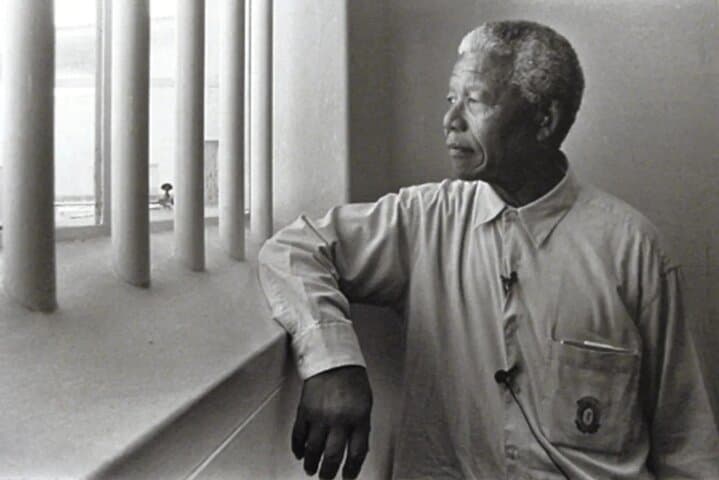
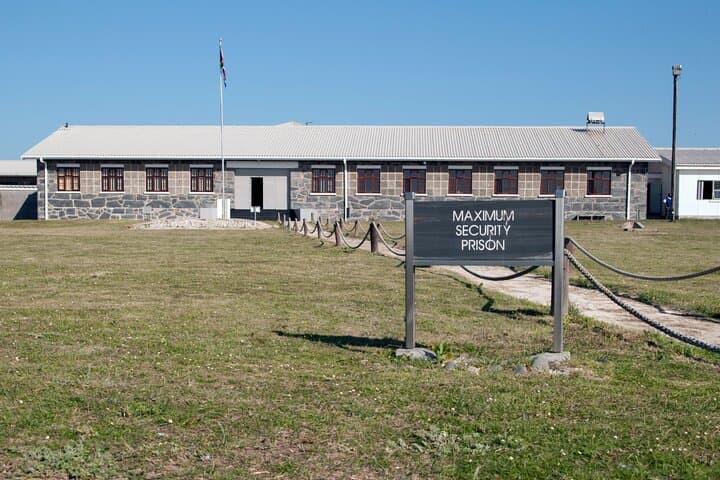
Robben Island is best known as the site of a maximum-security prison where Nelson Mandela and other political prisoners served long sentences; earlier in its history the island hosted a leper hospital, lime quarries and a military base. The geology is primarily limestone and sandstone, quarried by inmates, and the shoreline and tidal currents have long dictated how people approached and used the island.
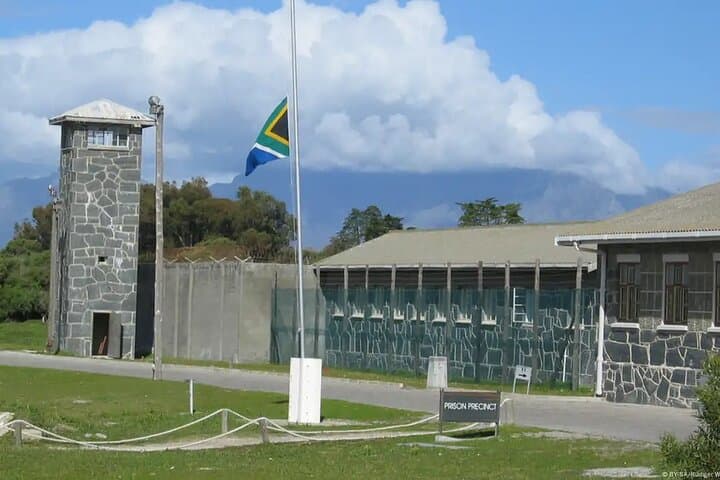
On site, the museum and guided prison tours trace personal stories and the mechanics of incarceration: cell blocks, the quarry worksite, and the modest, functional memorials. Wildlife has a voice here too — seabirds wheel and seals patrol the kelp beds — and the lighthouse marks the island’s navigation history, offering a different kind of perspective on human movement across these waters.
Practical note: the experience is a half-day commitment (about 4–5 hours including transfers). Tours include museum admission and hotel pickup from Cape Town City Centre; boats can be choppy so take motion-sickness precautions. Bring layers, a hat and a camera (flash-free inside the museum). Respect the guided route — much of the island is protected — and arrive early for smoother check-in. Pre-booking secures your slot, especially in summer and on public holidays.
easy.
4–5 hours.
Minimal fitness required — mostly standing and short walks between sites; able-bodied visitors will be comfortable.
Yes — ferries have limited capacity and pre-booked tickets secure your place and include museum entry and scheduled hotel transfers.
The tour is generally suitable for most ages but involves boat travel and some standing; those with mobility issues should check accessibility and consult providers in advance.
Operators may cancel or reschedule in bad conditions; the provider’s cancellation policy typically allows refunds or rebooking — confirm details when you book.
Photography rules vary by area — non-flash photography is usually permitted in outdoor areas, but follow guide instructions inside museum spaces and cells.
Robben Island served as a leper colony, military base and prison; its role in South Africa’s anti-apartheid history and its designation as a UNESCO World Heritage Site underline its global significance.
The island is ecologically fragile with nesting seabirds and sensitive shoreline habitats; visitors should follow paths, avoid disturbing wildlife and carry out all litter.
Benda travel and tours (PTY) LTD operates guided outdoor trips and adventures with an emphasis on safety, stewardship, and memorable experiences.
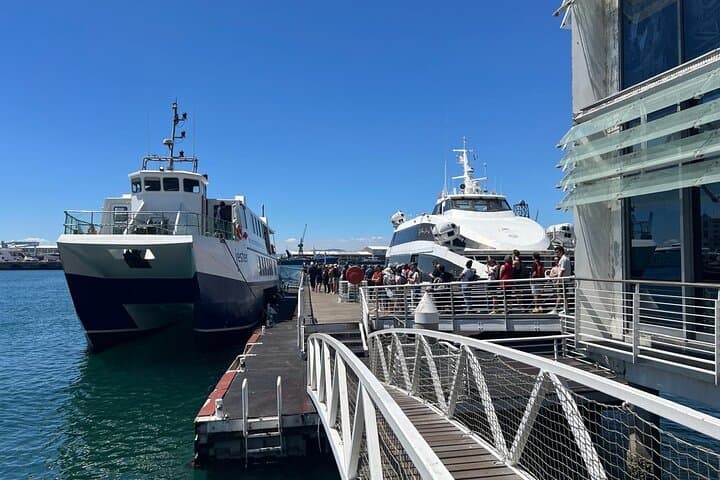
The ferry slides away from the Victoria & Alfred Waterfront and the city shrinks to a skyline under Table Mountain; the Atlantic opens and the wind pushes the wave-crest toward Robben Island as if daring you to reflect. From the boat, the low, rocky outline of the island crops the horizon — not scenic fluff but a place shaped by industry, isolation, and national struggle.
The ferry slides away from the Victoria & Alfred Waterfront and the city shrinks to a skyline under Table Mountain; the Atlantic opens and the wind pushes the wave-crest toward Robben Island as if daring you to reflect. From the boat, the low, rocky outline of the island crops the horizon — not scenic fluff but a place shaped by industry, isolation, and national struggle.
Robben Island is best known as the site of a maximum-security prison where Nelson Mandela and other political prisoners served long sentences; earlier in its history the island hosted a leper hospital, lime quarries and a military base. The geology is primarily limestone and sandstone, quarried by inmates, and the shoreline and tidal currents have long dictated how people approached and used the island.
On site, the museum and guided prison tours trace personal stories and the mechanics of incarceration: cell blocks, the quarry worksite, and the modest, functional memorials. Wildlife has a voice here too — seabirds wheel and seals patrol the kelp beds — and the lighthouse marks the island’s navigation history, offering a different kind of perspective on human movement across these waters.
Practical note: the experience is a half-day commitment (about 4–5 hours including transfers). Tours include museum admission and hotel pickup from Cape Town City Centre; boats can be choppy so take motion-sickness precautions. Bring layers, a hat and a camera (flash-free inside the museum). Respect the guided route — much of the island is protected — and arrive early for smoother check-in. Pre-booking secures your slot, especially in summer and on public holidays.