THE ADVENTURE COLLECTIVE® · Independent discovery and booking for outdoor travel

Board the short ferry from the V&A Waterfront and step into a compact island where geology, ocean wind and political history meet. This 3–4 hour Robben Island visit combines a guided museum tour, a bus loop around the island, and an optional private visit to Mandela’s house.
Board the short ferry from the V&A Waterfront and step into a compact island where geology, ocean wind and political history meet. This 3–4 hour Robben Island visit combines a guided museum tour, a bus loop around the island, and an optional private visit to Mandela’s house.
A wind-swept ferry cuts the Cape Town skyline away, and within 45 minutes the sea has rearranged the city into a distant ridge. Robben Island appears as low rock and scrub, its whitewashed buildings and former cells silhouetted against the Atlantic—the air tastes of salt and history.
Verified experiences and guided adventures in the surrounding area.
Operated by Cape friendly Tours and Events Management · Cape Town, Western Cape
A wind-swept ferry cuts the Cape Town skyline away, and within 45 minutes the sea has rearranged the city into a distant ridge. Robben Island appears as low rock and scrub, its whitewashed buildings and former cells silhouetted against the Atlantic—the air tastes of salt and history.
The island’s story is geological and political: a granite and shale outcrop shaped by coastal winds, it became a penal station and later the crucible of South Africa’s anti-apartheid leaders. The 2.5–3 hour museum circuit moves from the dock to the maximum-security prison, then on a short bus loop past limestone quarries and penguin colonies. Guides—often former inmates—explain daily life under incarceration and how ideas born here helped dismantle a brutal regime.
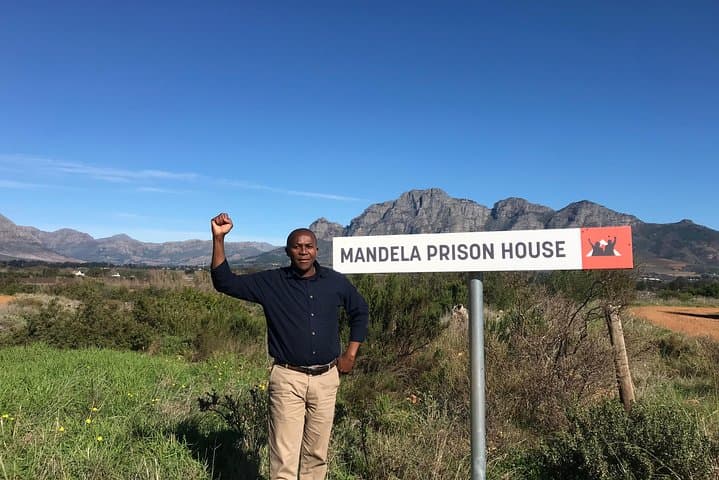
Visitors should expect compact cells, a focused museum exhibit, and a 30-minute drive around rugged coastline where seals loaf and seabirds wheel. The optional private visit to the house where Nelson Mandela spent two years before his 1990 release requires advance request and adds heavier, intimate context to the public tour.
Practicalities are straightforward: book early through the Mandela Gateway at V&A Waterfront, allow 3–4 hours for the whole experience, and be prepared for wind, security screening, and limited facilities on the island. Photography is allowed in most outdoor areas but restricted inside some exhibits. The experience is emotionally weighty—respectful behavior and thoughtful questions are expected. For a concise, powerful encounter with modern history, this Robben Island visit pairs outdoor exposure with a deep cultural lesson.
easy.
3–4 hours.
Suitable for most fitness levels; involves short walks and some standing during museum talks
The ferry from the V&A Waterfront to Robben Island takes about 45 minutes each way; crossings are subject to weather conditions.
An optional private visit to the house where Nelson Mandela spent two years before his 1990 release is available by request and may incur an additional fee and booking requirements.
The standard tour involves bus transfers and some walking; notify the operator in advance about mobility needs—certain areas may be restricted for accessibility reasons.
Tours are typically canceled in unsafe sea conditions; tickets may be rescheduled or refunded according to the operator’s policy, so check confirmation details before travel.
Robben Island served as a leper colony, military base and maximum-security prison; it is most famous as the place where Nelson Mandela and other activists were held during apartheid.
The island supports sensitive seabird and seal populations—stay on marked paths, avoid disturbing wildlife, and follow guide instructions to protect habitats.
Cape friendly Tours and Events Management operates guided outdoor trips and adventures with an emphasis on safety, stewardship, and memorable experiences.

A wind-swept ferry cuts the Cape Town skyline away, and within 45 minutes the sea has rearranged the city into a distant ridge. Robben Island appears as low rock and scrub, its whitewashed buildings and former cells silhouetted against the Atlantic—the air tastes of salt and history.
A wind-swept ferry cuts the Cape Town skyline away, and within 45 minutes the sea has rearranged the city into a distant ridge. Robben Island appears as low rock and scrub, its whitewashed buildings and former cells silhouetted against the Atlantic—the air tastes of salt and history.
The island’s story is geological and political: a granite and shale outcrop shaped by coastal winds, it became a penal station and later the crucible of South Africa’s anti-apartheid leaders. The 2.5–3 hour museum circuit moves from the dock to the maximum-security prison, then on a short bus loop past limestone quarries and penguin colonies. Guides—often former inmates—explain daily life under incarceration and how ideas born here helped dismantle a brutal regime.
Visitors should expect compact cells, a focused museum exhibit, and a 30-minute drive around rugged coastline where seals loaf and seabirds wheel. The optional private visit to the house where Nelson Mandela spent two years before his 1990 release requires advance request and adds heavier, intimate context to the public tour.
Practicalities are straightforward: book early through the Mandela Gateway at V&A Waterfront, allow 3–4 hours for the whole experience, and be prepared for wind, security screening, and limited facilities on the island. Photography is allowed in most outdoor areas but restricted inside some exhibits. The experience is emotionally weighty—respectful behavior and thoughtful questions are expected. For a concise, powerful encounter with modern history, this Robben Island visit pairs outdoor exposure with a deep cultural lesson.