THE ADVENTURE COLLECTIVE® · Independent discovery and booking for outdoor travel

Cross Table Bay to Robben Island for a guided tour led by former political prisoners. This half-day experience pairs a 30-minute ferry ride with a grounded, deeply human walk through the prison where Nelson Mandela spent years of incarceration.
Cross Table Bay to Robben Island for a guided tour led by former political prisoners. This half-day experience pairs a 30-minute ferry ride with a grounded, deeply human walk through the prison where Nelson Mandela spent years of incarceration.
A cold wind from Table Bay pushes against the ferry as it leaves the V&A Waterfront, the skyline of Cape Town folding away behind you. Salt spray stings and the flat, rounded mass of Robben Island grows out of the grey sea — a place where landscape and history press close together. The crossing takes about 30 minutes; the boat ride itself is part of the story, a physical movement toward a cramped former prison and the open quarries where men once worked.
Verified experiences and guided adventures in the surrounding area.
Operated by Cape Oasis Travel and Tour · Cape Town, Western Cape
A cold wind from Table Bay pushes against the ferry as it leaves the V&A Waterfront, the skyline of Cape Town folding away behind you. Salt spray stings and the flat, rounded mass of Robben Island grows out of the grey sea — a place where landscape and history press close together. The crossing takes about 30 minutes; the boat ride itself is part of the story, a physical movement toward a cramped former prison and the open quarries where men once worked.
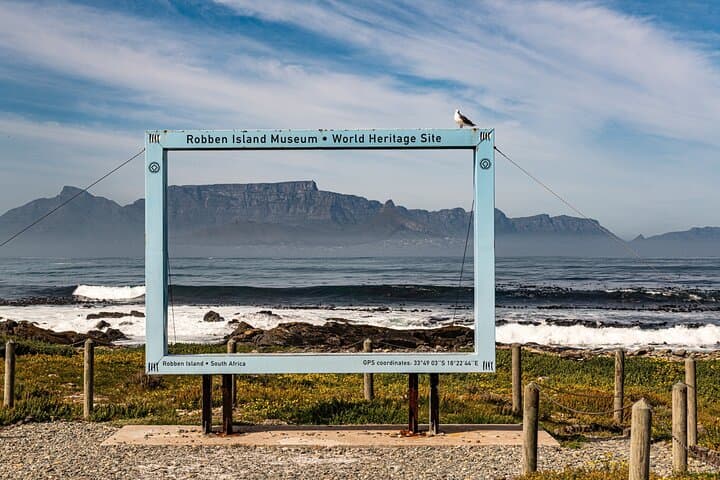
Robben Island is a UNESCO World Heritage site: a layered place of geological dolomite and limestone, of seabird colonies, and of layered human use — from a leper colony and military base to the apartheid-era maximum security prison that housed Nelson Mandela and other political prisoners. Guides often include former inmates who offer firsthand accounts that reframe the island’s stone walls and ruins with human scale and moral gravity.
Expect a guided walking circuit: the dock, prisoner residences, the lime quarry, and the cell block. Terrain is flat but exposed; wind and sun are constant companions. Photography is permitted in most outdoor areas but restricted inside some prison spaces. Interpretive signage supplements live commentary, connecting personal stories to broader South African history.
Practical notes: arrive at the Nelson Mandela Gateway 30 minutes early, carry a passport or ID for boarding, and be prepared for strong winds on the ferry and the island. Wear sturdy shoes, a windproof layer, and sun protection; the visit lasts roughly four hours including round-trip ferry time. Accessibility is good across key areas, but confirm special needs in advance. The tour is both an emotional and educational half-day that pairs maritime travel with one of South Africa’s most important historical sites.
easy.
4 hours.
Suitable for most fitness levels — involves short periods of walking and standing; minimal elevation change.
The full experience is about four hours including a roughly 30-minute each-way ferry crossing and the guided island tour.
Core areas and transportation options are wheelchair accessible, but notify the operator when booking to arrange assistance and ensure access to specific areas.
Photography is typically allowed in exterior and many interior spaces, but certain rooms may be restricted by museum rules or guide instruction; follow signage and guide direction.
Yes — tours often sell out, especially in high season; booking ahead secures your ferry slot and any requested pickup or drop-off service.
Robben Island served as a prison for over 300 years, most famously holding Nelson Mandela during apartheid; it’s now a UNESCO World Heritage site that interprets social and political history.
The museum balances heritage interpretation with coastal conservation: visitors are asked to stay on paths, avoid disturbing wildlife, and follow waste-reduction guidance to protect seabird colonies and fragile shoreline habitats.
Cape Oasis Travel and Tour operates guided outdoor trips and adventures with an emphasis on safety, stewardship, and memorable experiences.
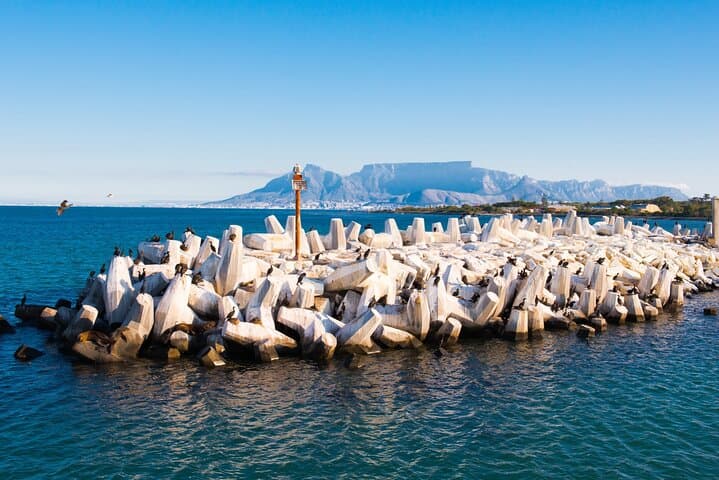
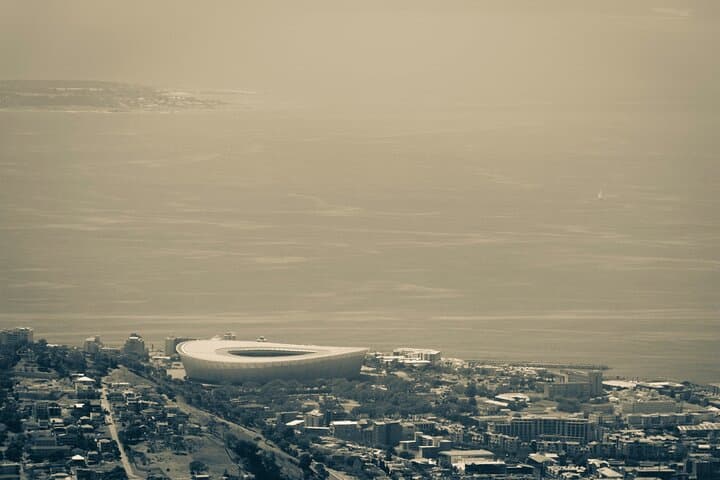
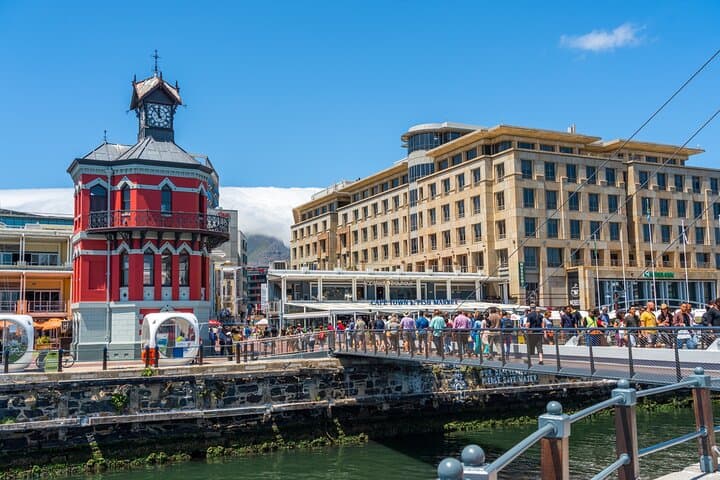
A cold wind from Table Bay pushes against the ferry as it leaves the V&A Waterfront, the skyline of Cape Town folding away behind you. Salt spray stings and the flat, rounded mass of Robben Island grows out of the grey sea — a place where landscape and history press close together. The crossing takes about 30 minutes; the boat ride itself is part of the story, a physical movement toward a cramped former prison and the open quarries where men once worked.
A cold wind from Table Bay pushes against the ferry as it leaves the V&A Waterfront, the skyline of Cape Town folding away behind you. Salt spray stings and the flat, rounded mass of Robben Island grows out of the grey sea — a place where landscape and history press close together. The crossing takes about 30 minutes; the boat ride itself is part of the story, a physical movement toward a cramped former prison and the open quarries where men once worked.
Robben Island is a UNESCO World Heritage site: a layered place of geological dolomite and limestone, of seabird colonies, and of layered human use — from a leper colony and military base to the apartheid-era maximum security prison that housed Nelson Mandela and other political prisoners. Guides often include former inmates who offer firsthand accounts that reframe the island’s stone walls and ruins with human scale and moral gravity.
Expect a guided walking circuit: the dock, prisoner residences, the lime quarry, and the cell block. Terrain is flat but exposed; wind and sun are constant companions. Photography is permitted in most outdoor areas but restricted inside some prison spaces. Interpretive signage supplements live commentary, connecting personal stories to broader South African history.
Practical notes: arrive at the Nelson Mandela Gateway 30 minutes early, carry a passport or ID for boarding, and be prepared for strong winds on the ferry and the island. Wear sturdy shoes, a windproof layer, and sun protection; the visit lasts roughly four hours including round-trip ferry time. Accessibility is good across key areas, but confirm special needs in advance. The tour is both an emotional and educational half-day that pairs maritime travel with one of South Africa’s most important historical sites.