THE ADVENTURE COLLECTIVE® · Independent discovery and booking for outdoor travel

Cross the Atlantic from the V&A Waterfront to Robben Island and walk through South Africa’s pivotal history. This guided ferry tour includes the prison site, quarries and guided commentary—often from former prisoners—over a compact 3–4 hour itinerary.
Cross the Atlantic from the V&A Waterfront to Robben Island and walk through South Africa’s pivotal history. This guided ferry tour includes the prison site, quarries and guided commentary—often from former prisoners—over a compact 3–4 hour itinerary.
The ferry slips away from the V&A Waterfront, Cape Town shrinking into a creased blue behind you as the island rises: low, wind-sanded rock framed by breakers and sky. The Atlantic pushes at the hull and the island seems to hold its breath — a place where sea, stone and memory meet.
Verified experiences and guided adventures in the surrounding area.
Operated by SadiCapeTours · Cape Town, Western Cape
The ferry slips away from the V&A Waterfront, Cape Town shrinking into a creased blue behind you as the island rises: low, wind-sanded rock framed by breakers and sky. The Atlantic pushes at the hull and the island seems to hold its breath — a place where sea, stone and memory meet.
Robben Island’s basalt and aeolian sand soils have sheltered a layered history for centuries: from early maritime waypoints to a leper colony, quarry site and ultimately South Africa’s most infamous maximum security prison. The quarry’s scarred faces and the leprosy graves are blunt, geometric reminders of labour and isolation; Nelson Mandela’s cell is small and austere, a human-scale reference to the larger political struggle.
Guided tours trace these chapters with practical clarity: short walks between preserved buildings, a bus loop that stops at the quarry and Robert Sobukwe’s house, and commentary often led by former inmates whose first-person accounts reframe the island’s narrative.
Expect cool, gusty conditions on the crossing and firm, flat walking on compacted paths and stone ramps. The full excursion—ferry time plus island tour and transfers—takes roughly 3–4 hours. Book with passport details ready (required for boarding), bring layers and sun protection, and plan for possible weather-related reschedules; ferries can be canceled when seas are rough.
For photographers and history-minded travelers this is concise, powerful storytelling set on wind-formed rock. Time your visit for calmer mornings, allow extra time at the V&A Waterfront before or after, and listen closely—the island’s quiet tells as much as the plaques.
easy.
3–4 hours.
Minimal fitness needed; able to walk short distances on firm surfaces and climb a few low steps.
Yes — passengers must provide passport or national ID details at booking and present ID for boarding.
Tours may be rescheduled when conditions are unsafe; confirm the operator’s weather policy and allow flexibility in your itinerary.
Some guides are former political prisoners and share first-hand accounts; guide assignments vary but tours include knowledgeable commentary.
The tour includes bus transfers and short walks; some areas have steps and uneven surfaces—contact the operator ahead to discuss accessibility needs.
Robben Island served multiple roles over 500+ years: a colonial penal site, leper colony and the apartheid-era maximum security prison where Nelson Mandela was held for 18 years.
The island is a protected area; stick to paths, avoid disturbing heritage structures and follow guide instructions to minimize impact.
SadiCapeTours operates guided outdoor trips and adventures with an emphasis on safety, stewardship, and memorable experiences.
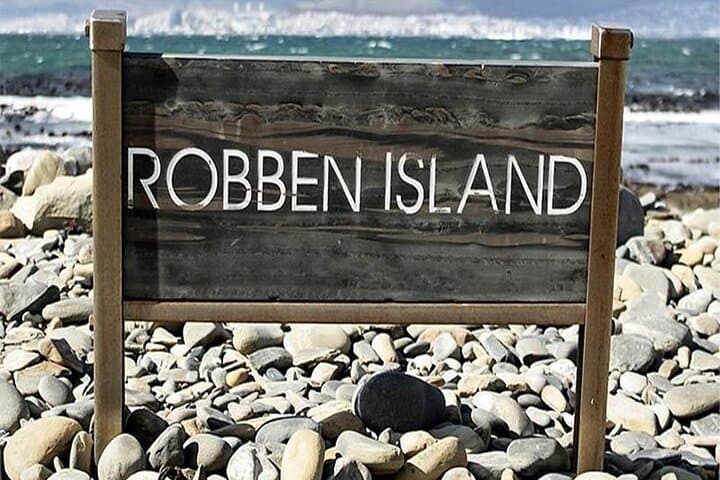
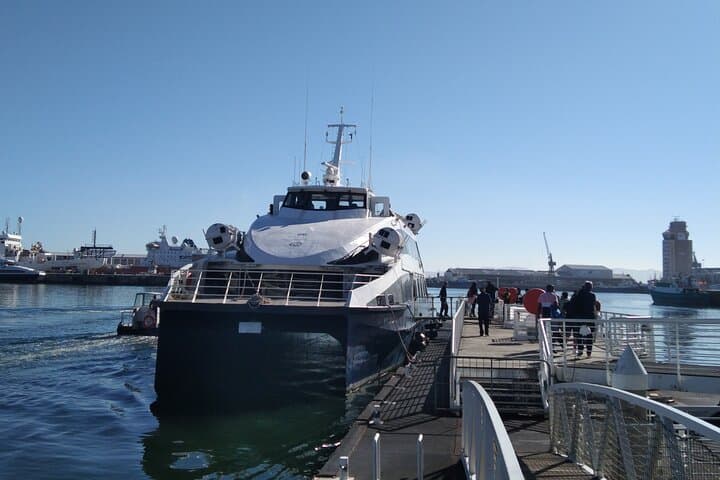
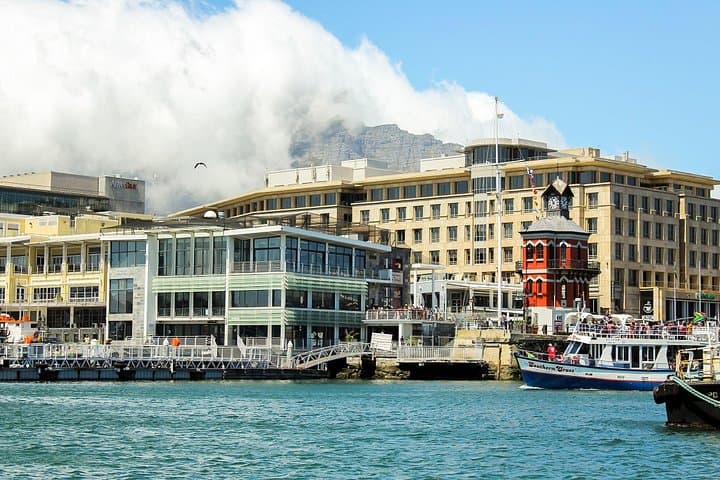

The ferry slips away from the V&A Waterfront, Cape Town shrinking into a creased blue behind you as the island rises: low, wind-sanded rock framed by breakers and sky. The Atlantic pushes at the hull and the island seems to hold its breath — a place where sea, stone and memory meet.
The ferry slips away from the V&A Waterfront, Cape Town shrinking into a creased blue behind you as the island rises: low, wind-sanded rock framed by breakers and sky. The Atlantic pushes at the hull and the island seems to hold its breath — a place where sea, stone and memory meet.
Robben Island’s basalt and aeolian sand soils have sheltered a layered history for centuries: from early maritime waypoints to a leper colony, quarry site and ultimately South Africa’s most infamous maximum security prison. The quarry’s scarred faces and the leprosy graves are blunt, geometric reminders of labour and isolation; Nelson Mandela’s cell is small and austere, a human-scale reference to the larger political struggle.
Guided tours trace these chapters with practical clarity: short walks between preserved buildings, a bus loop that stops at the quarry and Robert Sobukwe’s house, and commentary often led by former inmates whose first-person accounts reframe the island’s narrative.
Expect cool, gusty conditions on the crossing and firm, flat walking on compacted paths and stone ramps. The full excursion—ferry time plus island tour and transfers—takes roughly 3–4 hours. Book with passport details ready (required for boarding), bring layers and sun protection, and plan for possible weather-related reschedules; ferries can be canceled when seas are rough.
For photographers and history-minded travelers this is concise, powerful storytelling set on wind-formed rock. Time your visit for calmer mornings, allow extra time at the V&A Waterfront before or after, and listen closely—the island’s quiet tells as much as the plaques.