THE ADVENTURE COLLECTIVE® · Independent discovery and booking for outdoor travel

Cross Table Bay to Robben Island for a guided museum tour led by a former political prisoner. Learn the island’s layered history, see Nelson Mandela’s cell, and return with a deeper understanding of South Africa’s past.
Cross Table Bay to Robben Island for a guided museum tour led by a former political prisoner. Learn the island’s layered history, see Nelson Mandela’s cell, and return with a deeper understanding of South Africa’s past.
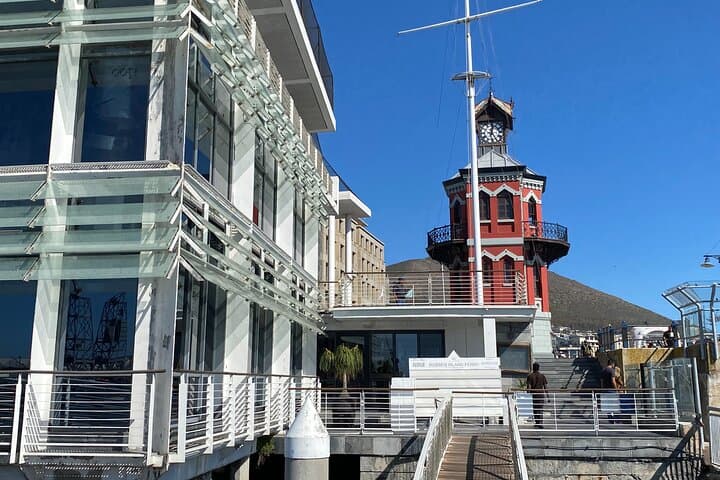
The ferry cuts through the pale morning light of Table Bay and Cape Town shrinks behind you: flat roofs, the jagged rim of Table Mountain, and the distant hum of the V&A Waterfront. The short sea crossing carries more than tourists — it moves stories, politics and memory toward the gray silhouette of Robben Island.
Verified experiences and guided adventures in the surrounding area.
Operated by KANYAVE TOURS & TRAVELS · Cape Town, Western Cape
The ferry cuts through the pale morning light of Table Bay and Cape Town shrinks behind you: flat roofs, the jagged rim of Table Mountain, and the distant hum of the V&A Waterfront. The short sea crossing carries more than tourists — it moves stories, politics and memory toward the gray silhouette of Robben Island.
Robben Island's limestone and shale rise from cold Atlantic water; its geology helped make it an isolated penal site for centuries. The island's human history shifts from a leper colony and military station to the infamous maximum-security prison where Nelson Mandela served 18 of his 27 years. A former political prisoner commonly leads the museum tour, delivering first‑hand accounts that stitch personal narrative to the island’s stark cells and quarry faces.
Culturally, the visit is as much an act of listening as sightseeing: you walk the corridors of the prison, view Mandela’s small cell, and follow the so-called Long March to Freedom.
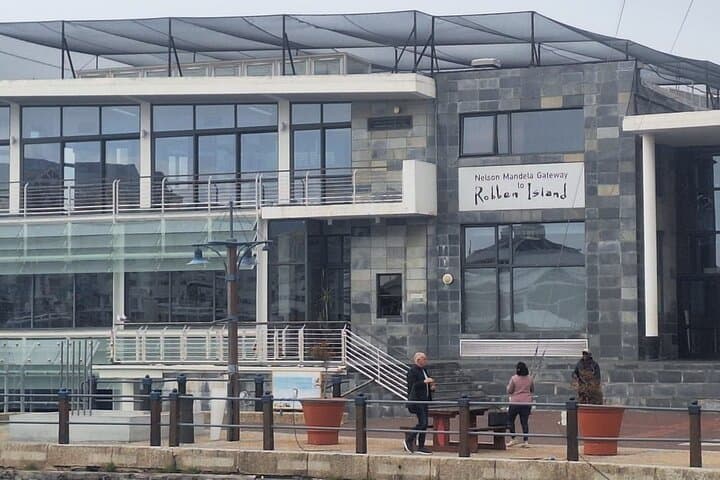
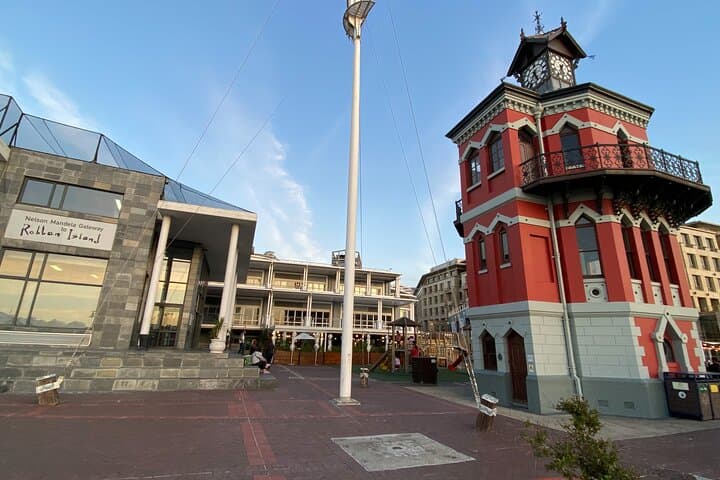
Practical guidance: plan for a 5–6 hour half‑day commitment including hotel transfer, ferry boarding and the guided museum circuit. Carry your passport — identity and passport details are required at booking. Seas can be rough; take motion‑sickness medication if you’re prone. Dress in windproof layers and sturdy shoes for uneven paths and the quarry. Expect security screening at the Nelson Mandela Gateway and arrive at least 30 minutes before your ferry slot.
Photography is allowed in many areas but be respectful during guided testimonies. Weather or operational restrictions occasionally alter schedules, so leave flexibility in your Cape Town itinerary.
easy.
5–6 hours.
Suitable for most fitness levels; requires standing and walking on uneven surfaces for several hours.
Expect about 5–6 hours total (330 minutes), including hotel transfer, ferry crossing, the island tour and return transfer.
Yes — the tour is suitable for all fitness levels but infants must sit on an adult’s lap and you should consider the ferry crossing and emotional content of the museum.
Tickets often sell out; this shared tour includes museum admission and boat ride—booking ahead is strongly recommended to secure your time slot.
The tour provides bottled water onboard the vehicle; bring snacks if you need them, though the island visit is usually only a few hours with limited facilities.
Robben Island served variously as a leper colony, military base and prison; its 20th-century role detaining anti‑apartheid activists is central to South Africa’s democratic history.
Robben Island is a protected heritage site—stay on designated paths, avoid touching historic structures, and respect wildlife to minimize visitor impact.
KANYAVE TOURS & TRAVELS operates guided outdoor trips and adventures with an emphasis on safety, stewardship, and memorable experiences.

The ferry cuts through the pale morning light of Table Bay and Cape Town shrinks behind you: flat roofs, the jagged rim of Table Mountain, and the distant hum of the V&A Waterfront. The short sea crossing carries more than tourists — it moves stories, politics and memory toward the gray silhouette of Robben Island.
The ferry cuts through the pale morning light of Table Bay and Cape Town shrinks behind you: flat roofs, the jagged rim of Table Mountain, and the distant hum of the V&A Waterfront. The short sea crossing carries more than tourists — it moves stories, politics and memory toward the gray silhouette of Robben Island.
Robben Island's limestone and shale rise from cold Atlantic water; its geology helped make it an isolated penal site for centuries. The island's human history shifts from a leper colony and military station to the infamous maximum-security prison where Nelson Mandela served 18 of his 27 years. A former political prisoner commonly leads the museum tour, delivering first‑hand accounts that stitch personal narrative to the island’s stark cells and quarry faces.
Culturally, the visit is as much an act of listening as sightseeing: you walk the corridors of the prison, view Mandela’s small cell, and follow the so-called Long March to Freedom.
Practical guidance: plan for a 5–6 hour half‑day commitment including hotel transfer, ferry boarding and the guided museum circuit. Carry your passport — identity and passport details are required at booking. Seas can be rough; take motion‑sickness medication if you’re prone. Dress in windproof layers and sturdy shoes for uneven paths and the quarry. Expect security screening at the Nelson Mandela Gateway and arrive at least 30 minutes before your ferry slot.
Photography is allowed in many areas but be respectful during guided testimonies. Weather or operational restrictions occasionally alter schedules, so leave flexibility in your Cape Town itinerary.