THE ADVENTURE COLLECTIVE® · Independent discovery and booking for outdoor travel

Take the ferry from Cape Town to Robben Island for a 4–5 hour guided visit that includes prison tours led by former inmates. This tour includes ferry tickets and hotel pickup; weather can affect departure times.
Take the ferry from Cape Town to Robben Island for a 4–5 hour guided visit that includes prison tours led by former inmates. This tour includes ferry tickets and hotel pickup; weather can affect departure times.
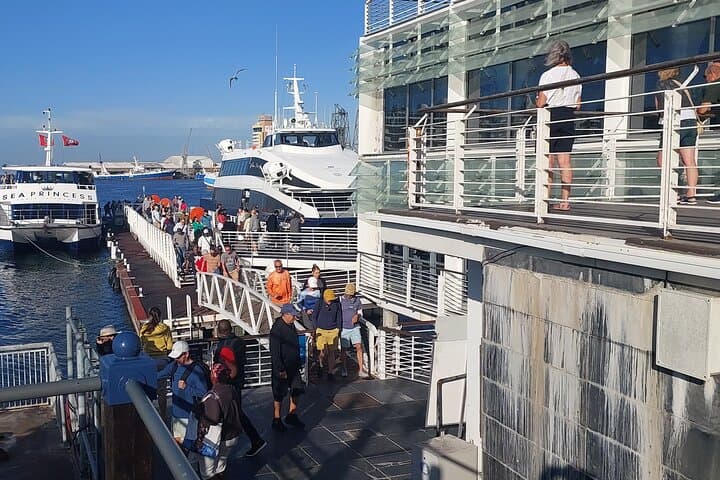
The ferry slips away from the V&A Waterfront with Cape Town’s skyline shrinking behind you and a brisk Table Bay wind pushing the wake toward the island. Within minutes the city’s noise thins; the ocean takes the lead and the low silhouette of Robben Island grows—a compact, exposed place where sea and history meet.
Verified experiences and guided adventures in the surrounding area.
Operated by Sighting Tours. · Cape Town, Western Cape
The ferry slips away from the V&A Waterfront with Cape Town’s skyline shrinking behind you and a brisk Table Bay wind pushing the wake toward the island. Within minutes the city’s noise thins; the ocean takes the lead and the low silhouette of Robben Island grows—a compact, exposed place where sea and history meet.
Robben Island’s stones and shoreline carry layers of human story: a leper colony, a military outpost, and most famously the maximum-security prison that held anti-apartheid leaders, including Nelson Mandela. The island’s flat, wind-scoured terrain and scattered quarry pits reflect its use for labor and confinement across centuries, while seabirds and kelp-smashed shores remind you this is first and foremost a coastal ecosystem.
Guided tours often include commentary from former inmates, giving first-person accounts that transform dates and facts into lived experience. Cultural context matters here—the site is both a memorial and a working heritage space managed under strict conservation rules.
Practicalities: expect a 4–5 hour outing including hotel pickup, ferry transit and the guided prison circuit. Ferry schedules are weather dependent; strong currents or high winds can cancel crossings and operators will try to rebook morning slots when possible. Bring valid photo ID for boarding, dress in layers for wind and sun exposure, and allow time for security checks at the departure point.
The trip is accessible to most visitors but not recommended for those with serious heart or mobility issues. Keep to designated paths, listen to guides, and leave extra time at the V&A Waterfront before or after the tour to round out the day.
easy.
4–5 hours.
Suitable for most people who can manage short walks and stairs; not advised for those with significant cardiovascular or mobility limitations.
The full outing—hotel pickup, ferry, guided island tour, and return—typically takes about 4–5 hours.
Yes. All visitors must present valid photo ID for ferry boarding and site access.
Operators usually attempt to rebook guests on the next available sailing; you can reschedule or receive a refund per the vendor’s cancellation policy.
Yes—families can join, but infants must sit on laps and the site includes uneven surfaces and open exposure to wind and sun.
Robben Island was used as a place of banishment and imprisonment for centuries; its 20th-century role as a prison for anti-apartheid activists makes it a UNESCO World Heritage Site and a focal point of South Africa’s recent history.
Visitor numbers and access are managed to protect sensitive coastal habitats and historical structures—stick to paths, avoid disturbing wildlife, and follow guide instructions.
Sighting Tours. operates guided outdoor trips and adventures with an emphasis on safety, stewardship, and memorable experiences.
The ferry slips away from the V&A Waterfront with Cape Town’s skyline shrinking behind you and a brisk Table Bay wind pushing the wake toward the island. Within minutes the city’s noise thins; the ocean takes the lead and the low silhouette of Robben Island grows—a compact, exposed place where sea and history meet.
The ferry slips away from the V&A Waterfront with Cape Town’s skyline shrinking behind you and a brisk Table Bay wind pushing the wake toward the island. Within minutes the city’s noise thins; the ocean takes the lead and the low silhouette of Robben Island grows—a compact, exposed place where sea and history meet.
Robben Island’s stones and shoreline carry layers of human story: a leper colony, a military outpost, and most famously the maximum-security prison that held anti-apartheid leaders, including Nelson Mandela. The island’s flat, wind-scoured terrain and scattered quarry pits reflect its use for labor and confinement across centuries, while seabirds and kelp-smashed shores remind you this is first and foremost a coastal ecosystem.
Guided tours often include commentary from former inmates, giving first-person accounts that transform dates and facts into lived experience. Cultural context matters here—the site is both a memorial and a working heritage space managed under strict conservation rules.
Practicalities: expect a 4–5 hour outing including hotel pickup, ferry transit and the guided prison circuit. Ferry schedules are weather dependent; strong currents or high winds can cancel crossings and operators will try to rebook morning slots when possible. Bring valid photo ID for boarding, dress in layers for wind and sun exposure, and allow time for security checks at the departure point.
The trip is accessible to most visitors but not recommended for those with serious heart or mobility issues. Keep to designated paths, listen to guides, and leave extra time at the V&A Waterfront before or after the tour to round out the day.