THE ADVENTURE COLLECTIVE® · Independent discovery and booking for outdoor travel

Cross Table Bay to an island where wind, stone and testimony meet. This guided half-day tour combines a scenic ferry ride with museum exhibits and former-prisoner guides who bring Robben Island's history to life.
Cross Table Bay to an island where wind, stone and testimony meet. This guided half-day tour combines a scenic ferry ride with museum exhibits and former-prisoner guides who bring Robben Island's history to life.
The ferry slips away from the V&A Waterfront and Table Mountain recedes into a broad silhouette as Table Bay air sharpens. Salt stings the face and the island's low, stone profile grows clearer — a platform of wind-swept grass, stone quays and the squat lines of a former prison. On this half-day outing, the mood alternates between coastal openness and concentrated history.
Verified experiences and guided adventures in the surrounding area.
Operated by NY Cape Adventure's · Cape Town, Western Cape
The ferry slips away from the V&A Waterfront and Table Mountain recedes into a broad silhouette as Table Bay air sharpens. Salt stings the face and the island's low, stone profile grows clearer — a platform of wind-swept grass, stone quays and the squat lines of a former prison. On this half-day outing, the mood alternates between coastal openness and concentrated history.
Robben Island's story stretches from early habitation and a 17th-century leper colony to its 20th-century use as a political prison where Nelson Mandela and many others were held. The rock and sand reflect Cape Town's geology — ancient Table Mountain sandstone and marine terraces — while the island's windswept plains host breeding seabirds and seals that reclaim sections of shoreline. Guides, often former prisoners, frame the tour with first-person testimony and curated exhibits that illuminate apartheid's legal and social machinery alongside personal resilience.
Practical realities shape the visit: expect a 30–40 minute ferry crossing each way, open exposure to wind and sun, and a guided itinerary that visits Mandela's cell, the limestone quarry and museum exhibits. Photography is permitted in many areas but respect is required in memorial spaces. The tour runs on a fixed schedule with several departure slots; booking ahead is advised. Mobility access is good by island standards, but the ferry can be rough and short walks cross uneven surfaces.
Come prepared with layered clothing, sea-sickness remedies if prone, water and a small daypack. The trip pairs the immediacy of landscape with a sobering human history — a short journey with long echoes.
easy.
4–5 hours.
Suitable for most fitness levels; involves short walks on uneven surfaces and standing during the ferry crossing
The ferry between Cape Town and Robben Island typically takes about 30–40 minutes each way, depending on conditions.
Yes, many guided tours include ex-political prisoners who provide personal accounts and context for the site's history.
The tour notes wheelchair accessibility for several areas and ferry operators offer assistance, but some outdoor paths remain uneven — notify operators at booking.
Full refunds are usually available if you cancel at least 24 hours before departure; check your booking confirmation for specifics.
Robben Island served multiple roles over centuries: a colonial outpost, leper colony and, most notably, a maximum-security prison where anti-apartheid activists were detained.
Tour operators coordinate with the Robben Island Museum to limit visitor impact; stay on designated paths to protect breeding birds and fragile vegetation.
NY Cape Adventure's operates guided outdoor trips and adventures with an emphasis on safety, stewardship, and memorable experiences.
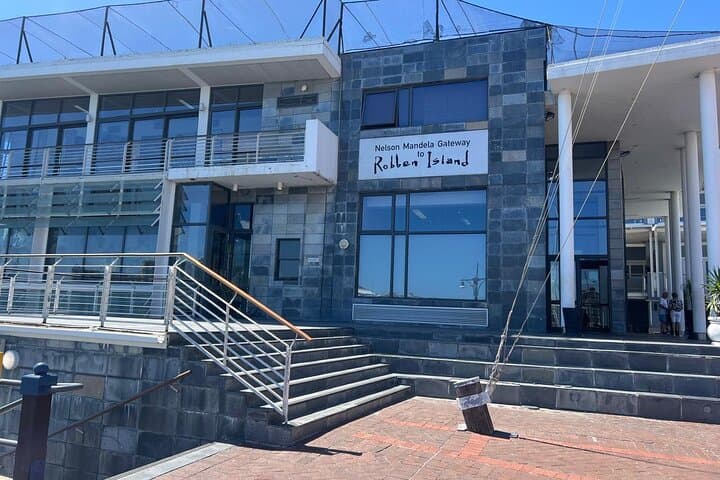
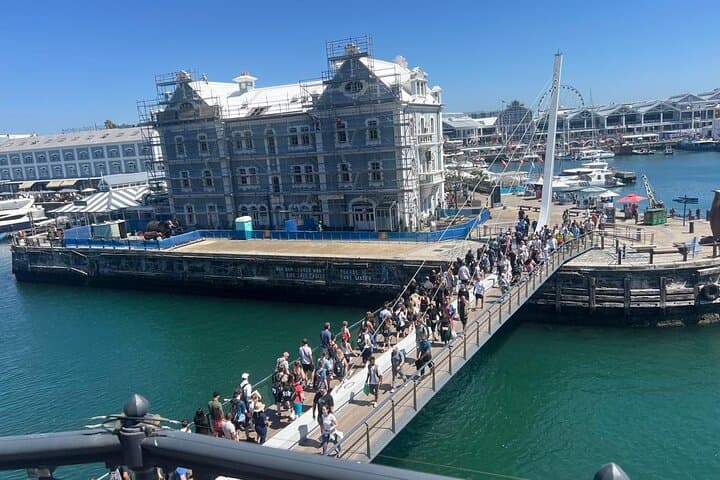
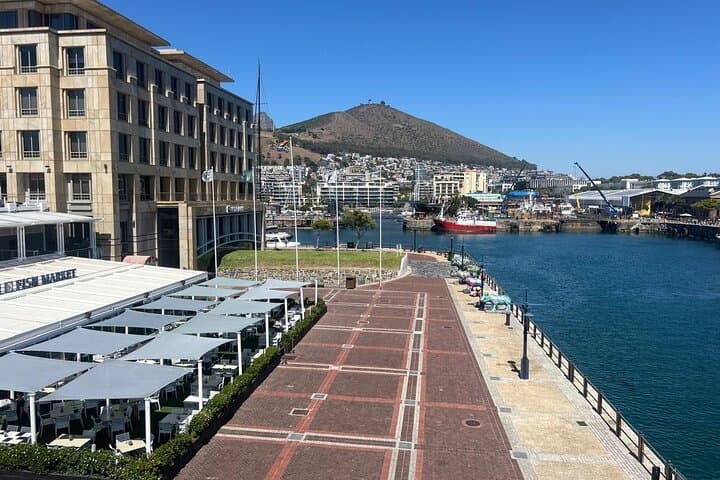
The ferry slips away from the V&A Waterfront and Table Mountain recedes into a broad silhouette as Table Bay air sharpens. Salt stings the face and the island's low, stone profile grows clearer — a platform of wind-swept grass, stone quays and the squat lines of a former prison. On this half-day outing, the mood alternates between coastal openness and concentrated history.
The ferry slips away from the V&A Waterfront and Table Mountain recedes into a broad silhouette as Table Bay air sharpens. Salt stings the face and the island's low, stone profile grows clearer — a platform of wind-swept grass, stone quays and the squat lines of a former prison. On this half-day outing, the mood alternates between coastal openness and concentrated history.
Robben Island's story stretches from early habitation and a 17th-century leper colony to its 20th-century use as a political prison where Nelson Mandela and many others were held. The rock and sand reflect Cape Town's geology — ancient Table Mountain sandstone and marine terraces — while the island's windswept plains host breeding seabirds and seals that reclaim sections of shoreline. Guides, often former prisoners, frame the tour with first-person testimony and curated exhibits that illuminate apartheid's legal and social machinery alongside personal resilience.
Practical realities shape the visit: expect a 30–40 minute ferry crossing each way, open exposure to wind and sun, and a guided itinerary that visits Mandela's cell, the limestone quarry and museum exhibits. Photography is permitted in many areas but respect is required in memorial spaces. The tour runs on a fixed schedule with several departure slots; booking ahead is advised. Mobility access is good by island standards, but the ferry can be rough and short walks cross uneven surfaces.
Come prepared with layered clothing, sea-sickness remedies if prone, water and a small daypack. The trip pairs the immediacy of landscape with a sobering human history — a short journey with long echoes.