THE ADVENTURE COLLECTIVE® · Independent discovery and booking for outdoor travel

Board the ferry at V&A Waterfront and cross to Robben Island for a compact, powerful tour of its prison museum, limestone quarries, and wildlife. This half-day trip mixes outdoor time with first-hand history told by former inmates.
Board the ferry at V&A Waterfront and cross to Robben Island for a compact, powerful tour of its prison museum, limestone quarries, and wildlife. This half-day trip mixes outdoor time with first-hand history told by former inmates.
The ferry slips away from the V&A Waterfront and the city tilts into a low, wind-bent horizon: Robben Island rising like a pale memory off Table Bay. Salt spray stings, penguins bob between waves, and the ferry’s wake draws a line between Cape Town’s bustle and an island that has worn many lives — shipwater refueling post, leper colony, military base, and the prison that held South Africa’s political prisoners.
Verified experiences and guided adventures in the surrounding area.
Operated by Kura Tours and Safaris · Cape Town, Western Cape
The ferry slips away from the V&A Waterfront and the city tilts into a low, wind-bent horizon: Robben Island rising like a pale memory off Table Bay. Salt spray stings, penguins bob between waves, and the ferry’s wake draws a line between Cape Town’s bustle and an island that has worn many lives — shipwater refueling post, leper colony, military base, and the prison that held South Africa’s political prisoners.
Visitors follow a bus route across the island’s flat limestone plains, driven past former lime quarries and low scrub fynbos, where seabirds wheel and the Atlantic throws light across Table Mountain. The tour centers on the Maximum-Security Prison turned museum; former inmates, often serving as guides, describe daily routines, resistance, and the claustrophobic cell where Nelson Mandela spent years. Geology here is intimate: wind-carved rock, shallow soils, and the island’s role as a navigational hazard lined with shipwreck remnants.
Culturally the island is a layered classroom — voices of exile, reconciliation, and ecological recovery converge. Time on Robben Island is structured: ferry crossing, guided drive to points of interest, walking the prison compound, and return. Practicalities matter: the crossing can be rough, weather shifts fast, and photography rules respect memorial spaces.
Plan for wind and sun, bring layered clothing and firm shoes, and allow at least half a day. The experience is equal parts outdoor excursion and historical immersion — expect short walks, bus transfers, and moments that demand quiet attention.
easy.
4–5 hours.
Light fitness; able to walk short distances, climb ferry steps and stand during the crossings
The crossing typically takes about 30–45 minutes each way, depending on sea conditions.
Yes — many tours include guides who were formerly incarcerated and who share first-hand accounts in the museum area.
The tour is family-friendly, but infants must sit on an adult’s lap and the crossing can be challenging for very young children.
There are limited facilities on the island; bottled water is commonly provided on tours, but bring snacks if needed and check tour inclusions.
Robben Island has served as a maritime stopover, leper colony, military base and, most famously, a prison where anti-apartheid leaders were held; its museum focuses on these overlapping histories.
The island’s penguin colonies and fynbos habitat are fragile — visitors should stick to designated routes, avoid disturbing wildlife, and follow museum guidance to minimize impact.
Kura Tours and Safaris operates guided outdoor trips and adventures with an emphasis on safety, stewardship, and memorable experiences.

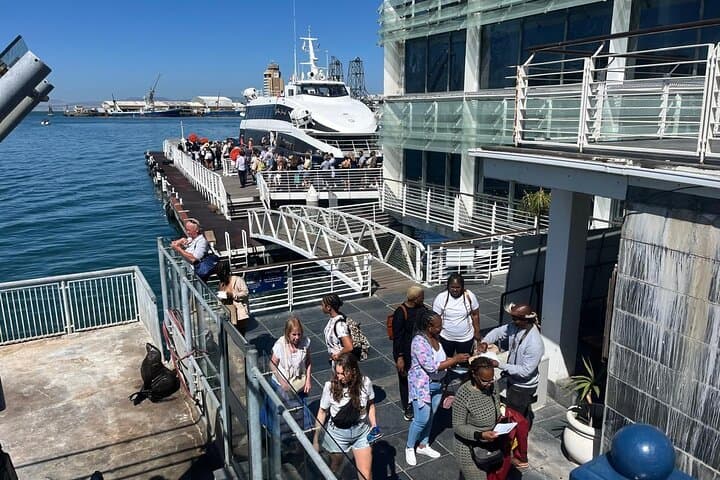

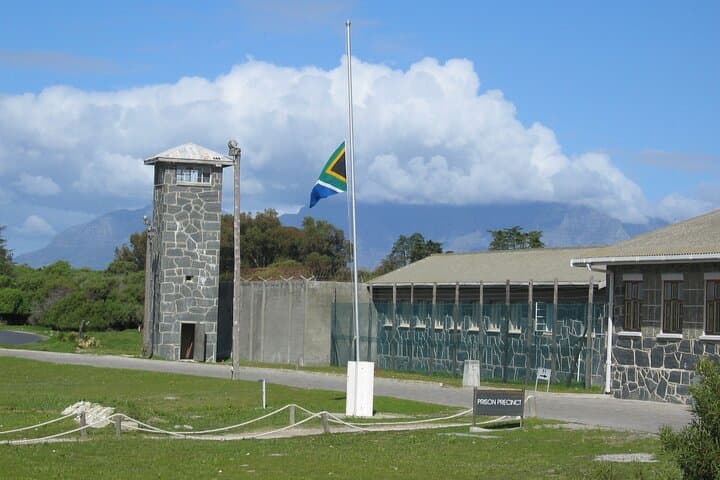
The ferry slips away from the V&A Waterfront and the city tilts into a low, wind-bent horizon: Robben Island rising like a pale memory off Table Bay. Salt spray stings, penguins bob between waves, and the ferry’s wake draws a line between Cape Town’s bustle and an island that has worn many lives — shipwater refueling post, leper colony, military base, and the prison that held South Africa’s political prisoners.
The ferry slips away from the V&A Waterfront and the city tilts into a low, wind-bent horizon: Robben Island rising like a pale memory off Table Bay. Salt spray stings, penguins bob between waves, and the ferry’s wake draws a line between Cape Town’s bustle and an island that has worn many lives — shipwater refueling post, leper colony, military base, and the prison that held South Africa’s political prisoners.
Visitors follow a bus route across the island’s flat limestone plains, driven past former lime quarries and low scrub fynbos, where seabirds wheel and the Atlantic throws light across Table Mountain. The tour centers on the Maximum-Security Prison turned museum; former inmates, often serving as guides, describe daily routines, resistance, and the claustrophobic cell where Nelson Mandela spent years. Geology here is intimate: wind-carved rock, shallow soils, and the island’s role as a navigational hazard lined with shipwreck remnants.
Culturally the island is a layered classroom — voices of exile, reconciliation, and ecological recovery converge. Time on Robben Island is structured: ferry crossing, guided drive to points of interest, walking the prison compound, and return. Practicalities matter: the crossing can be rough, weather shifts fast, and photography rules respect memorial spaces.
Plan for wind and sun, bring layered clothing and firm shoes, and allow at least half a day. The experience is equal parts outdoor excursion and historical immersion — expect short walks, bus transfers, and moments that demand quiet attention.