THE ADVENTURE COLLECTIVE® · Independent discovery and booking for outdoor travel

Combine a ferry to Robben Island’s moving prison museum with the rotating cable car to Table Mountain for a single, streamlined day in Cape Town. Expect deep history, sweeping ocean views, and practical logistics like timed ferry departures and weather-dependent access.
Combine a ferry to Robben Island’s moving prison museum with the rotating cable car to Table Mountain for a single, streamlined day in Cape Town. Expect deep history, sweeping ocean views, and practical logistics like timed ferry departures and weather-dependent access.
A gray morning at the V&A Waterfront can feel electric: ferries bob like patient beasts, gulls argue over leftovers, and the city’s flat-topped mountain watches as if keeping time. Guests gather by the Silo Hotel bus stop, passports in hand, and board an air-conditioned coach that threads the harbor toward the Nelson Mandela Gateway. The ferry cuts through Table Bay, the ocean daring you to look away; Robben Island appears as a pale, wind-sanded silhouette, its low profile betraying the weight of the history it holds.
Verified experiences and guided adventures in the surrounding area.
Operated by Raw African Safaris · Cape Town, Western Cape
A gray morning at the V&A Waterfront can feel electric: ferries bob like patient beasts, gulls argue over leftovers, and the city’s flat-topped mountain watches as if keeping time. Guests gather by the Silo Hotel bus stop, passports in hand, and board an air-conditioned coach that threads the harbor toward the Nelson Mandela Gateway. The ferry cuts through Table Bay, the ocean daring you to look away; Robben Island appears as a pale, wind-sanded silhouette, its low profile betraying the weight of the history it holds.
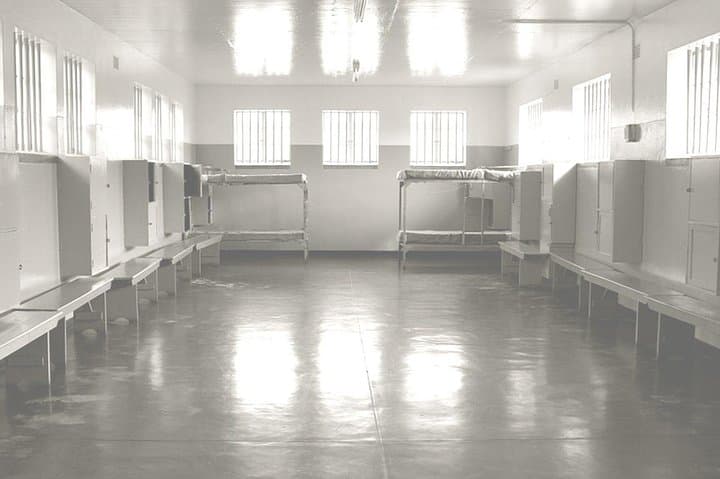
Robben Island’s story is layered — Dutch and British place-names, a leper colony, a quarantine station, then the notorious prison where Nelson Mandela and other political prisoners were held. The prison tour, often led by former inmates or wardens, places visitors inside tightly lit cells and past quarry pits where sunlight and hard labor were both forms of discipline. The island’s geology is blunt: wind-polished rock and salt-bleached grass, a landscape that compounded the isolation of those confined there.
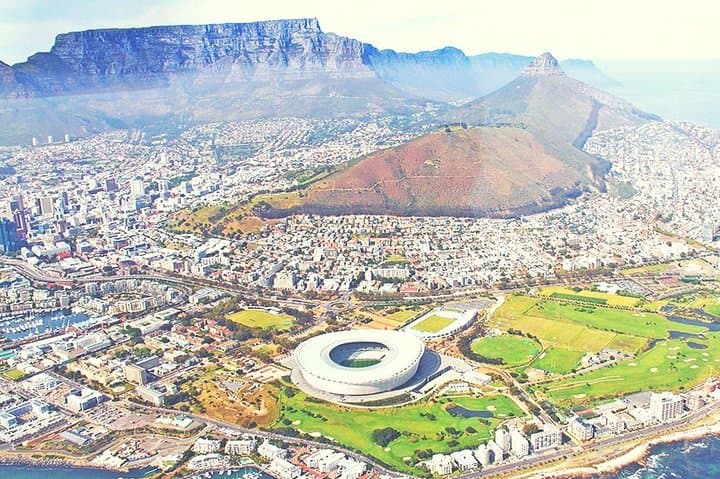
After the ferry returns, the tour moves to Cape Town’s culinary scene for a lunch that demonstrates the city’s multicultural palate: Malay spices, Cape braai smoke, and African coastal seafood that hints at histories of migration and trade. Then it’s up the slopes to Table Mountain. The cable car rotates slowly, revealing the city’s stitched shoreline, suburbs climbing like terraces, and the Atlantic pushing against the Cape flats.
Table Mountain’s sandstone plateau is old rock given a civic role — wind, rain, and the sea shaped the escarpment you now stand upon. From the summit path, fynbos exhales its resinous scent; the ocean lays out beaches and bays like a held breath. Views are panoramic, but close inspection rewards too: sculpted rock ledges, endemic flora that clings to thin soils, and the sudden sense that nature here is deliberate, not decorative.
Practical note: this is an easy, full-day tour that requires minimal fitness but good timing. Boats and cable car rides are scheduled; bring ID and expect luggage checks at the gateway. Sea conditions can reroute plans, and the cable car closes in strong winds, so keep an adaptable itinerary. Wear comfortable walking shoes, sun protection, and layered clothing — the waterfront can be mild while the mountain summit is brisk.
For travelers who want history and high views in one day, this pairing is efficient: intimate historical interpretation on Robben Island and a geological portrait from Table Mountain. Book early — Robben Island ferries and cable car slots sell out — and plan for camera batteries and quiet moments. The day is equal parts memory and perspective: one place asks you to remember; the other asks you to look outward.
easy.
8 hours.
Light fitness required—mostly standing, short walks, and boarding ferries; accessible options available
Expect about 8 hours from pick-up to drop-off, including ferry crossings, the island tour, lunch, and the Table Mountain cable car visit.
Yes—transport, the Nelson Mandela Gateway, and many surfaces are wheelchair accessible, but confirm specific assistance needs when booking.
Yes—the Robben Island ferry and Table Mountain cable car close in unsafe conditions; the operator will reschedule or refund according to policy.
Many Robben Island tours include commentary from ex-prisoners or former wardens, offering firsthand historical perspectives when available.
Lunch at a local restaurant is included in the itinerary, showcasing Cape Town’s multicultural cuisine—special dietary needs should be declared when booking.
Bring passport details for the ferry booking and a form of ID; travel documents may be checked at boarding.
Robben Island served multiple colonial-era functions before becoming a prison for political detainees; its museum chronicles apartheid-era imprisonment and South Africa’s transition.
Table Mountain National Park protects fragile fynbos ecosystems—stay on designated paths to limit erosion and invasive species spread; Robben Island management focuses on preserving historic structures while protecting local seabird colonies.
Raw African Safaris operates guided outdoor trips and adventures with an emphasis on safety, stewardship, and memorable experiences.
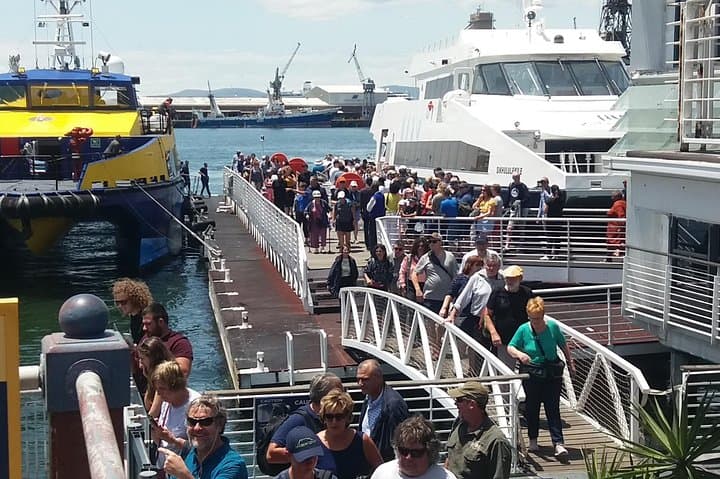
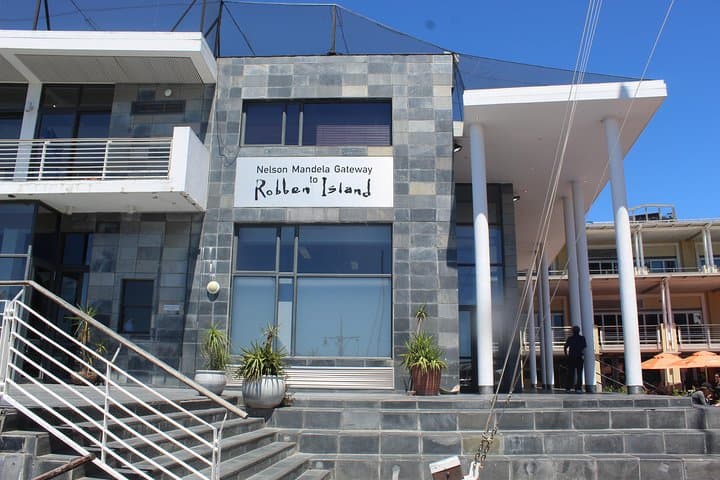
A gray morning at the V&A Waterfront can feel electric: ferries bob like patient beasts, gulls argue over leftovers, and the city’s flat-topped mountain watches as if keeping time. Guests gather by the Silo Hotel bus stop, passports in hand, and board an air-conditioned coach that threads the harbor toward the Nelson Mandela Gateway. The ferry cuts through Table Bay, the ocean daring you to look away; Robben Island appears as a pale, wind-sanded silhouette, its low profile betraying the weight of the history it holds.
A gray morning at the V&A Waterfront can feel electric: ferries bob like patient beasts, gulls argue over leftovers, and the city’s flat-topped mountain watches as if keeping time. Guests gather by the Silo Hotel bus stop, passports in hand, and board an air-conditioned coach that threads the harbor toward the Nelson Mandela Gateway. The ferry cuts through Table Bay, the ocean daring you to look away; Robben Island appears as a pale, wind-sanded silhouette, its low profile betraying the weight of the history it holds.
Robben Island’s story is layered — Dutch and British place-names, a leper colony, a quarantine station, then the notorious prison where Nelson Mandela and other political prisoners were held. The prison tour, often led by former inmates or wardens, places visitors inside tightly lit cells and past quarry pits where sunlight and hard labor were both forms of discipline. The island’s geology is blunt: wind-polished rock and salt-bleached grass, a landscape that compounded the isolation of those confined there.
After the ferry returns, the tour moves to Cape Town’s culinary scene for a lunch that demonstrates the city’s multicultural palate: Malay spices, Cape braai smoke, and African coastal seafood that hints at histories of migration and trade. Then it’s up the slopes to Table Mountain. The cable car rotates slowly, revealing the city’s stitched shoreline, suburbs climbing like terraces, and the Atlantic pushing against the Cape flats.
Table Mountain’s sandstone plateau is old rock given a civic role — wind, rain, and the sea shaped the escarpment you now stand upon. From the summit path, fynbos exhales its resinous scent; the ocean lays out beaches and bays like a held breath. Views are panoramic, but close inspection rewards too: sculpted rock ledges, endemic flora that clings to thin soils, and the sudden sense that nature here is deliberate, not decorative.
Practical note: this is an easy, full-day tour that requires minimal fitness but good timing. Boats and cable car rides are scheduled; bring ID and expect luggage checks at the gateway. Sea conditions can reroute plans, and the cable car closes in strong winds, so keep an adaptable itinerary. Wear comfortable walking shoes, sun protection, and layered clothing — the waterfront can be mild while the mountain summit is brisk.
For travelers who want history and high views in one day, this pairing is efficient: intimate historical interpretation on Robben Island and a geological portrait from Table Mountain. Book early — Robben Island ferries and cable car slots sell out — and plan for camera batteries and quiet moments. The day is equal parts memory and perspective: one place asks you to remember; the other asks you to look outward.