THE ADVENTURE COLLECTIVE® · Independent discovery and booking for outdoor travel

Combine the ferry to Robben Island with a cable car ride up Table Mountain and a stroll through Kirstenbosch in one full day. This practical guide explains what to expect—from history and geology to fees, timing, and accessibility.
Combine the ferry to Robben Island with a cable car ride up Table Mountain and a stroll through Kirstenbosch in one full day. This practical guide explains what to expect—from history and geology to fees, timing, and accessibility.
You step out at the V&A Waterfront with salt on your lips and the city’s skyline at your back, waiting for the ferry that will cut across Table Bay toward Robben Island. The ferry rocks, gulls wheel, and the continent’s history—its fossils and its politics—feels both tangible and vast.
Verified experiences and guided adventures in the surrounding area.
Operated by african macaw dmc and Safaris · Cape Town, Western Cape
You step out at the V&A Waterfront with salt on your lips and the city’s skyline at your back, waiting for the ferry that will cut across Table Bay toward Robben Island. The ferry rocks, gulls wheel, and the continent’s history—its fossils and its politics—feels both tangible and vast.
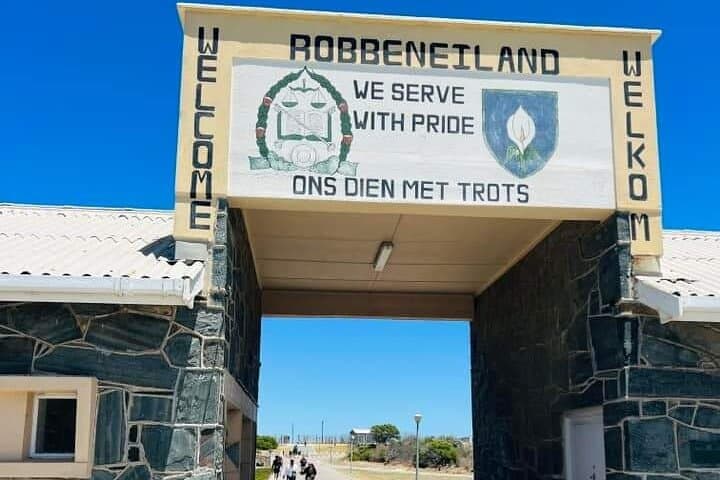
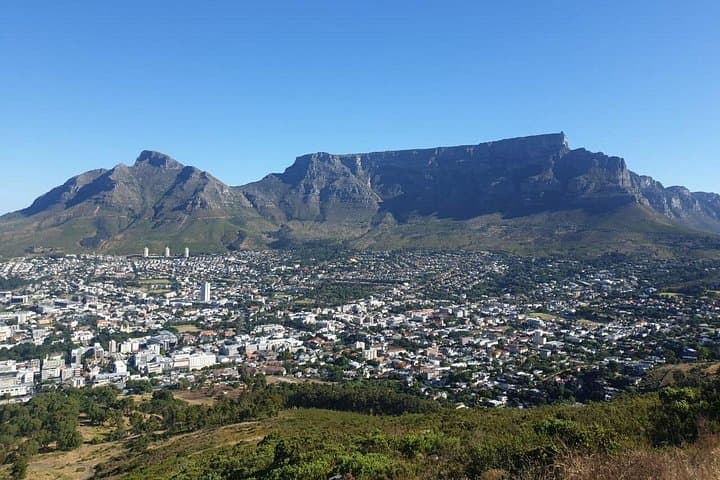
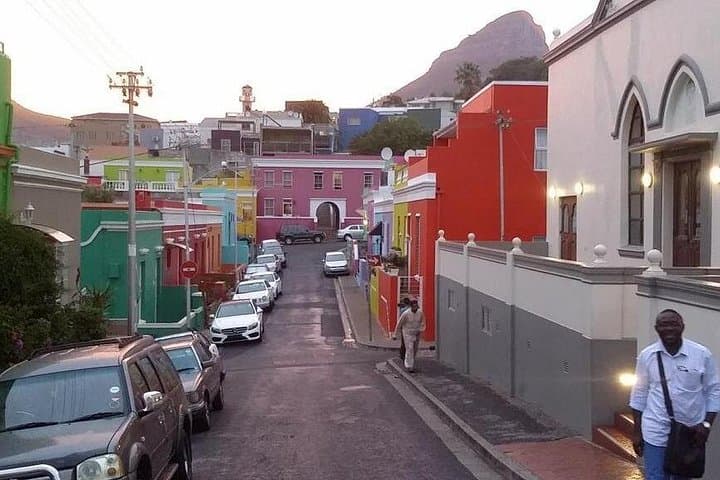
Robben Island is a compact archive: a former prison where Nelson Mandela and other political prisoners were held, now a World Heritage site that frames South Africa’s long arc from Dutch and British occupation through slavery and apartheid to democratic rebirth. Back on the mainland, Table Mountain’s sheer sandstone face rises to 1,067 m, shaped by ancient sand dunes and wind, hosting unique fynbos. Bo-Kaap’s painted houses and Kirstenbosch’s curated fynbos collections speak to Cape Town’s layered culture—European settlers, Huguenot influences, Cape Malay communities and modern urban life.
Practically, this is a long day: expect ferry crossings (40–45 minutes each way), a guided island bus tour, cable car access or hikes on Table Mountain, and a leisurely walk through Kirstenbosch’s 528 hectares of Cape flora. Bring valid ID or passport for ferry boarding, sun protection for exposed summits, comfortable walking shoes for cobbled Bo-Kaap streets and garden paths, and a refillable bottle for the day. Entry fees for Robben Island, Table Mountain cableway and Kirstenbosch are typically not included in shared tour pricing, and weather can close the cable car or ferry—book early in the morning and keep flexible plans. The rhythm of the day alternates quiet historical reflection with the sharp, clean air of the mountain and the botanical calm of Kirstenbosch—Cape Town’s past, geology and biodiversity in a single, rigorous day tour.
easy.
7–10 hours.
Suitable for most fitness levels; expect moderate walking, some standing during tours and short climbs if using hiking routes instead of the cable car.
No—this shared tour typically excludes the Robben Island ferry ticket, Table Mountain cableway and Kirstenbosch entry fees; bring cash or card for separate purchases.
Many parts are wheelchair accessible (V&A Waterfront, parts of Kirstenbosch) and ferries and buses have accessibility features—verify needs with the operator when booking.
Services can be suspended for safety; operators often offer rescheduling or alternative itineraries, but policies vary—confirm cancellation and refund rules before you book.
Lunch is not usually included; the V&A Waterfront and Kirstenbosch have dining options, so bring snacks or plan to buy a meal during the day.
Robben Island was a political prison during apartheid where Nelson Mandela served 18 of his 27 years; Table Mountain has been protected for over a century and preserves unique Cape flora.
Kirstenbosch plays a key role in protecting fynbos biodiversity and restoring indigenous plants; visitors should stick to paths and avoid picking plants to minimize impact.
african macaw dmc and Safaris operates guided outdoor trips and adventures with an emphasis on safety, stewardship, and memorable experiences.
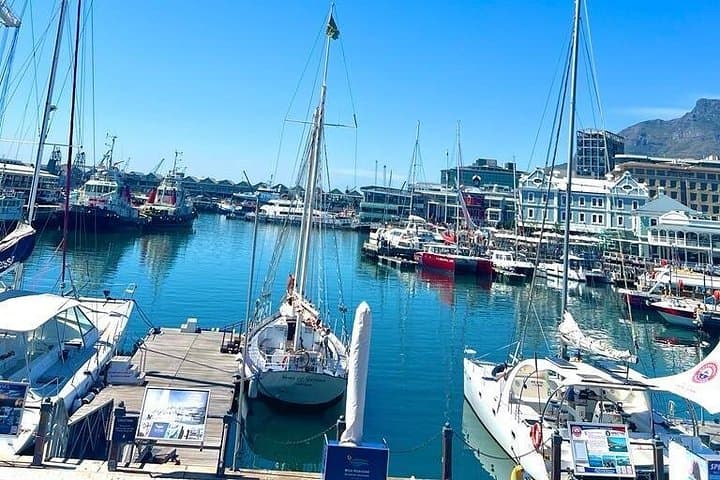
You step out at the V&A Waterfront with salt on your lips and the city’s skyline at your back, waiting for the ferry that will cut across Table Bay toward Robben Island. The ferry rocks, gulls wheel, and the continent’s history—its fossils and its politics—feels both tangible and vast.
You step out at the V&A Waterfront with salt on your lips and the city’s skyline at your back, waiting for the ferry that will cut across Table Bay toward Robben Island. The ferry rocks, gulls wheel, and the continent’s history—its fossils and its politics—feels both tangible and vast.
Robben Island is a compact archive: a former prison where Nelson Mandela and other political prisoners were held, now a World Heritage site that frames South Africa’s long arc from Dutch and British occupation through slavery and apartheid to democratic rebirth. Back on the mainland, Table Mountain’s sheer sandstone face rises to 1,067 m, shaped by ancient sand dunes and wind, hosting unique fynbos. Bo-Kaap’s painted houses and Kirstenbosch’s curated fynbos collections speak to Cape Town’s layered culture—European settlers, Huguenot influences, Cape Malay communities and modern urban life.
Practically, this is a long day: expect ferry crossings (40–45 minutes each way), a guided island bus tour, cable car access or hikes on Table Mountain, and a leisurely walk through Kirstenbosch’s 528 hectares of Cape flora. Bring valid ID or passport for ferry boarding, sun protection for exposed summits, comfortable walking shoes for cobbled Bo-Kaap streets and garden paths, and a refillable bottle for the day. Entry fees for Robben Island, Table Mountain cableway and Kirstenbosch are typically not included in shared tour pricing, and weather can close the cable car or ferry—book early in the morning and keep flexible plans. The rhythm of the day alternates quiet historical reflection with the sharp, clean air of the mountain and the botanical calm of Kirstenbosch—Cape Town’s past, geology and biodiversity in a single, rigorous day tour.