THE ADVENTURE COLLECTIVE® · Independent discovery and booking for outdoor travel

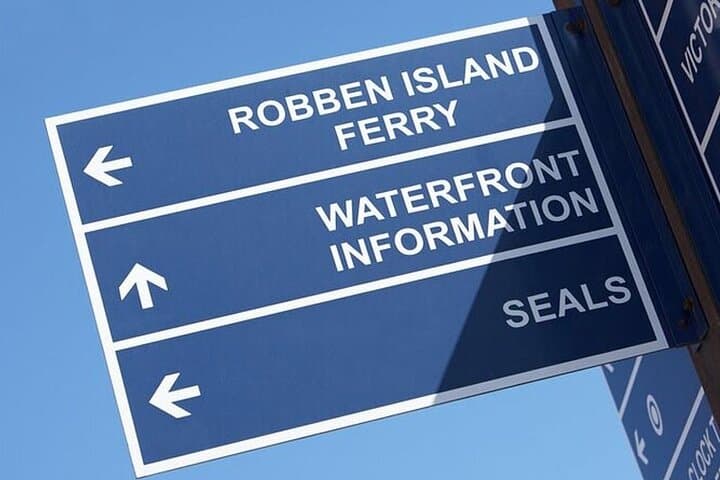
Take a private, pre-booked tour to Robben Island from Cape Town with return transfers and a guided visit led by a former political prisoner. Learn the history of apartheid, see Nelson Mandela’s cell, and return via the Victoria & Alfred Waterfront.
Take a private, pre-booked tour to Robben Island from Cape Town with return transfers and a guided visit led by a former political prisoner. Learn the history of apartheid, see Nelson Mandela’s cell, and return via the Victoria & Alfred Waterfront.
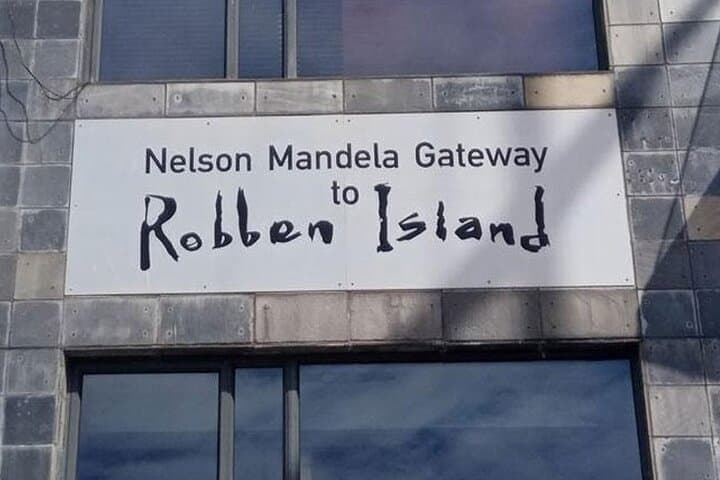
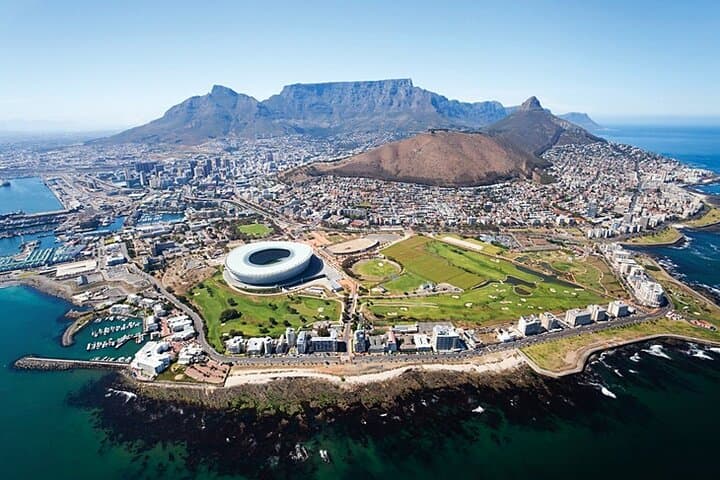
The ferry pulls away from the Nelson Mandela Gateway and the cityscape of Cape Town compresses into a flat line; the ocean opens and the island ahead looks low and spare, wind-scoured against Table Mountain’s silhouette.
Verified experiences and guided adventures in the surrounding area.
Operated by Andrew Travel & Tours · Cape Town, Western Cape
The ferry pulls away from the Nelson Mandela Gateway and the cityscape of Cape Town compresses into a flat line; the ocean opens and the island ahead looks low and spare, wind-scoured against Table Mountain’s silhouette.
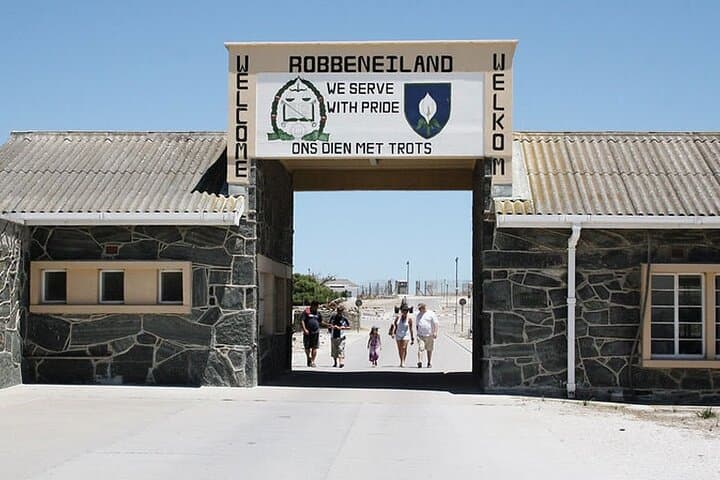
Robben Island’s history is blunt and public: a penal colony, leper station and military outpost long before it became the symbol of South Africa’s struggle against apartheid. The island’s low limestone and sandstone terrain, exposed coastal scrub, and the fringing Atlantic swell shaped both its use and its isolation—prison architecture and labour sites sited to make escape physically and psychologically costly.
On a private tour, a former political prisoner leads you through the yard, the cellblocks and Nelson Mandela’s tiny cell, translating institutional detail into human stories. A short island bus loop shows quarries and the Hole; viewpoints offer clear sightlines back to Cape Town and Table Mountain.
Practical notes: ferries run in set slots (typical departures at 09:00, 11:00 and 13:00), crossings take roughly 30–45 minutes and can be choppy—bring motion-sickness remedies. The tour lasts about half a day including transfers; pickup/drop-off at central Cape Town is standard. Security screening and museum entry are part of the process; carry ID and arrive early to check in. Dress in windproof layers, wear sturdy shoes for uneven ground, and plan time afterward at the V&A Waterfront for food or museums. The experience is not an adventure race—its power comes from place, people and history, delivered with the quiet authority that the island itself still seems to hold.
easy.
5–6 hours.
Suitable for most fitness levels; involves short walks on uneven ground and steps in the museum and prison areas.
Expect about 30–45 minutes each way depending on sea state; staff provide exact boarding times during check-in.
Yes—many tours include guides who were incarcerated on the island and who share first-hand accounts alongside museum interpretation.
The ferry and island have limited accessibility; contact the operator in advance to discuss mobility needs and any available accommodations.
Ferry cancellations can occur with rough seas; check the operator’s cancellation policy and rebooking options—many providers allow refunds or rescheduling if crossings are canceled.
Robben Island served multiple roles—leper colony, military base and prison—and became internationally recognized during apartheid as the site of political incarceration, including Nelson Mandela’s long detention.
The island is managed as a cultural landscape and nature reserve; visitors are asked to stick to paths, avoid disturbing wildlife and carry out all litter to protect fragile shoreline habitats.
Andrew Travel & Tours operates guided outdoor trips and adventures with an emphasis on safety, stewardship, and memorable experiences.
The ferry pulls away from the Nelson Mandela Gateway and the cityscape of Cape Town compresses into a flat line; the ocean opens and the island ahead looks low and spare, wind-scoured against Table Mountain’s silhouette.
The ferry pulls away from the Nelson Mandela Gateway and the cityscape of Cape Town compresses into a flat line; the ocean opens and the island ahead looks low and spare, wind-scoured against Table Mountain’s silhouette.
Robben Island’s history is blunt and public: a penal colony, leper station and military outpost long before it became the symbol of South Africa’s struggle against apartheid. The island’s low limestone and sandstone terrain, exposed coastal scrub, and the fringing Atlantic swell shaped both its use and its isolation—prison architecture and labour sites sited to make escape physically and psychologically costly.
On a private tour, a former political prisoner leads you through the yard, the cellblocks and Nelson Mandela’s tiny cell, translating institutional detail into human stories. A short island bus loop shows quarries and the Hole; viewpoints offer clear sightlines back to Cape Town and Table Mountain.
Practical notes: ferries run in set slots (typical departures at 09:00, 11:00 and 13:00), crossings take roughly 30–45 minutes and can be choppy—bring motion-sickness remedies. The tour lasts about half a day including transfers; pickup/drop-off at central Cape Town is standard. Security screening and museum entry are part of the process; carry ID and arrive early to check in. Dress in windproof layers, wear sturdy shoes for uneven ground, and plan time afterward at the V&A Waterfront for food or museums. The experience is not an adventure race—its power comes from place, people and history, delivered with the quiet authority that the island itself still seems to hold.