THE ADVENTURE COLLECTIVE® · Independent discovery and booking for outdoor travel

Take the short ferry from the V&A Waterfront to Robben Island for a guided visit led by former political prisoners. The tour pairs marine-crossing views with a sobering, deeply human history lesson that takes about half a day.
Take the short ferry from the V&A Waterfront to Robben Island for a guided visit led by former political prisoners. The tour pairs marine-crossing views with a sobering, deeply human history lesson that takes about half a day.
The ferry slips away from the V&A Waterfront and Cape Town shrinks into a low skyline under Table Mountain. Salt and sea spray push at the rails as Robben Island appears: wind-swept lowlands, stone buildings, and the squat prison blocks that held men who reshaped a nation.
Verified experiences and guided adventures in the surrounding area.
Operated by Giraffe Horizons · Cape Town, Western Cape
The ferry slips away from the V&A Waterfront and Cape Town shrinks into a low skyline under Table Mountain. Salt and sea spray push at the rails as Robben Island appears: wind-swept lowlands, stone buildings, and the squat prison blocks that held men who reshaped a nation.
Robben Island’s story is layered — a colonial outpost, a leper colony, a military base and, most painfully, a political prison where Nelson Mandela served 18 of his 27 years behind bars. The island’s limestone flats and recycled quarry faces are less about scenic geology than about the raw human history written across them; UNESCO protection keeps those stories intact while allowing carefully managed visits.
Guides who lived through apartheid often lead tours, translating memory into detail: the daily routines in the cells, the quarry’s punishing labor, and the small acts of resistance that persisted. Between stops at the maximum-security block, the leper cemetery and the viewpoint over Table Bay, expect conversation that is candid and quietly powerful.
Practically, the experience is a half-day commitment including ferry transfers. Ferries run subject to weather — rough seas cancel crossings — so plan buffer time in your Cape Town itinerary. Bring a photo ID, dress in windproof layers, and allow time on arrival and departure for security and manifests. Photography is allowed in many outdoor areas but follow guide instructions in sensitive spaces. The tour is accessible to most visitors and offers both historical depth and a sobering, essential perspective on South Africa’s path to democracy.
easy.
3.5–5 hours.
Suitable for most fitness levels; involves short walks on mostly flat, uneven surfaces and standing during the ferry crossing.
Allocate 3.5–5 hours total: ferry return, guided island tour led by experienced guides, entry to the prison site, and some free time for photos and reflection.
Robben Island provides wheelchair-accessible options for parts of the experience and the ferry and island surfaces are managed for accessibility, but contact the operator in advance to confirm specifics.
Many tours include former prisoners as guides, offering firsthand perspectives, but staffing varies — the itinerary guarantees knowledgeable local guides with deep historical understanding.
Ferries can be cancelled last-minute for safety; operators typically offer a full refund if you cancel more than 24 hours prior, and communicate alternatives when possible.
Robben Island served many roles across centuries — indigenous habitation, colonial outpost, leper colony and maximum-security prison where anti-apartheid leaders were incarcerated; it is now a UNESCO World Heritage Site.
Management balances public access with preservation; follow all guide instructions to protect fragile archaeological sites and bird nesting areas, and expect occasional weather-related closures to limit impact.
Giraffe Horizons operates guided outdoor trips and adventures with an emphasis on safety, stewardship, and memorable experiences.
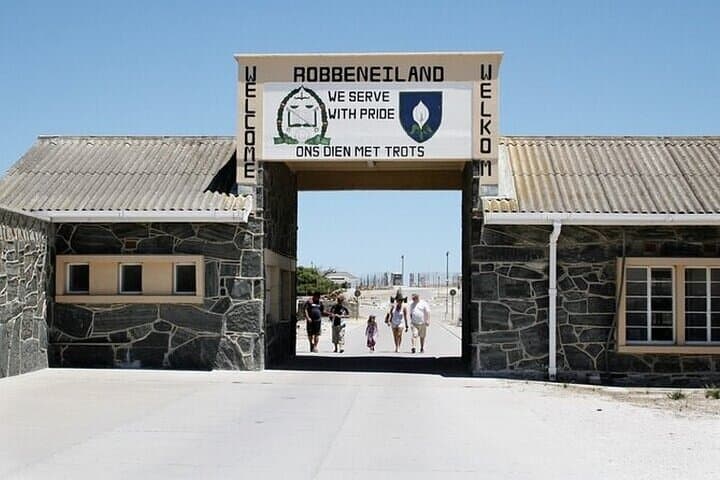
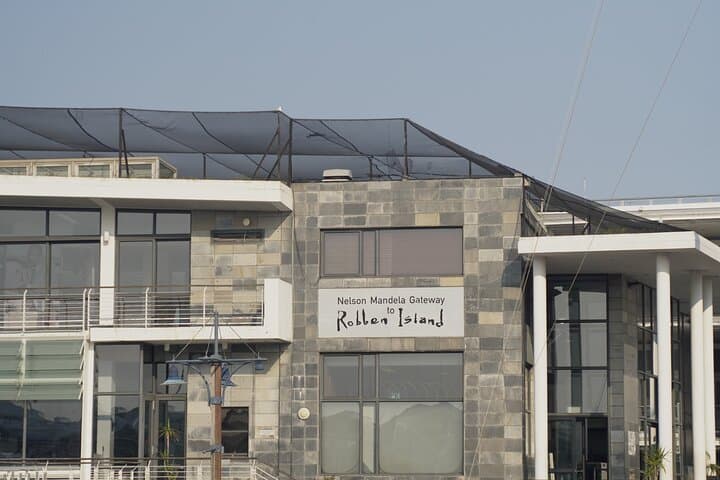
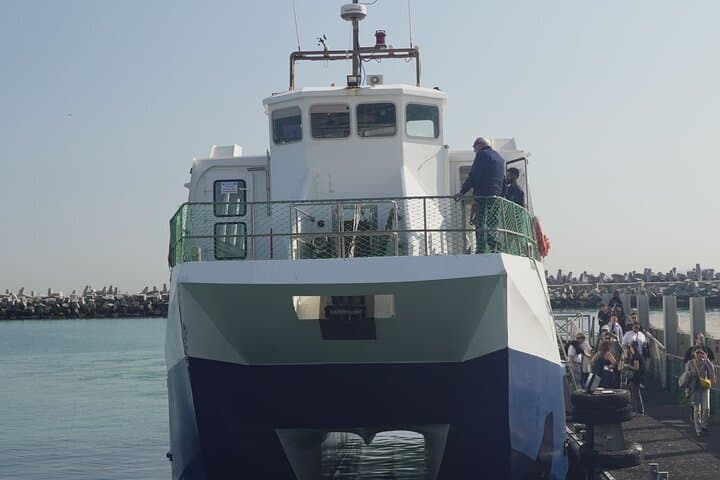
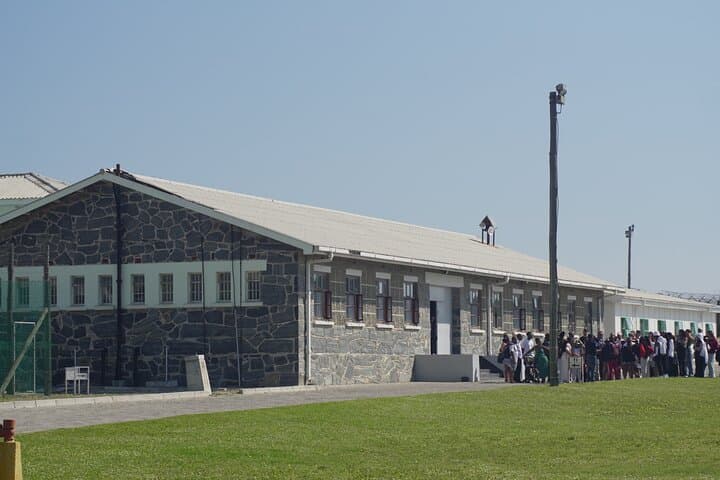
The ferry slips away from the V&A Waterfront and Cape Town shrinks into a low skyline under Table Mountain. Salt and sea spray push at the rails as Robben Island appears: wind-swept lowlands, stone buildings, and the squat prison blocks that held men who reshaped a nation.
The ferry slips away from the V&A Waterfront and Cape Town shrinks into a low skyline under Table Mountain. Salt and sea spray push at the rails as Robben Island appears: wind-swept lowlands, stone buildings, and the squat prison blocks that held men who reshaped a nation.
Robben Island’s story is layered — a colonial outpost, a leper colony, a military base and, most painfully, a political prison where Nelson Mandela served 18 of his 27 years behind bars. The island’s limestone flats and recycled quarry faces are less about scenic geology than about the raw human history written across them; UNESCO protection keeps those stories intact while allowing carefully managed visits.
Guides who lived through apartheid often lead tours, translating memory into detail: the daily routines in the cells, the quarry’s punishing labor, and the small acts of resistance that persisted. Between stops at the maximum-security block, the leper cemetery and the viewpoint over Table Bay, expect conversation that is candid and quietly powerful.
Practically, the experience is a half-day commitment including ferry transfers. Ferries run subject to weather — rough seas cancel crossings — so plan buffer time in your Cape Town itinerary. Bring a photo ID, dress in windproof layers, and allow time on arrival and departure for security and manifests. Photography is allowed in many outdoor areas but follow guide instructions in sensitive spaces. The tour is accessible to most visitors and offers both historical depth and a sobering, essential perspective on South Africa’s path to democracy.