THE ADVENTURE COLLECTIVE® · Independent discovery and booking for outdoor travel

Cross the choppy channel to Robben Island and walk the grounds where South Africa’s modern history was shaped. This half‑day tour combines a guided prison walk with coastal scenery and practical logistics including hotel pickup and ferry transit.
Cross the choppy channel to Robben Island and walk the grounds where South Africa’s modern history was shaped. This half‑day tour combines a guided prison walk with coastal scenery and practical logistics including hotel pickup and ferry transit.
The ferry cuts loose from Cape Town harbour and the city’s edge shrinks into a sliver of skyline; salt wind presses at your face as Robben Island grows out of the grey swell — low, stony, honest. On shore, the prison compound sits flat against the Atlantic, its concrete and gravel paths tracing stories that are both public record and private memory.
Verified experiences and guided adventures in the surrounding area.
Operated by Safari Private Tours. · Cape Town, Western Cape
The ferry cuts loose from Cape Town harbour and the city’s edge shrinks into a sliver of skyline; salt wind presses at your face as Robben Island grows out of the grey swell — low, stony, honest. On shore, the prison compound sits flat against the Atlantic, its concrete and gravel paths tracing stories that are both public record and private memory.
Robben Island is a geological outcrop of Table Mountain sandstone molded by wind and sea; its contours frame a layered history from 17th‑century quarantine station and WWII internment site to the apartheid‑era maximum security prison where Nelson Mandela served 18 of his 27 years behind bars. Guides — often former inmates themselves on other tours — stitch personal testimony to national history, turning cells and work yards into vivid archives of resilience and resistance. The island’s sparse vegetation and exposed shoreline make the landscape feel active: surf dares the rock, seabirds wheel above the old lime quarries, and the lighthouse watches like a patient keeper.
Practically, expect a 4–6 hour outing that includes hotel pickup in Cape Town, a shared ferry crossing (note: ferry departures often start at 09:00 on certain days), and a guided walking tour across mostly flat, mixed gravel and paved surfaces. The route is accessible and suitable for most fitness levels, but ferry crossings can be choppy and sun exposure is high. Carry a valid ID or passport for check‑in, layer for wind and sun, and bring water and a small snack for pauses between talking points. Allow extra time in Cape Town for traffic to the ferry terminal, and reserve mornings when seas are typically calmer. The tour marries uncompromising history with a raw coastal setting — sobering, instructive, and quietly powerful.
easy.
4–6 hours.
Suitable for most adults who can walk short distances; minimal elevation and mostly flat surfaces.
Crossings take approximately 30–45 minutes each way depending on sea conditions and vessel schedule.
Many areas and surfaces on the tour are wheelchair accessible, but availability can depend on ferry boarding processes—confirm accessibility needs when booking.
Yes — photography is allowed in most outdoor areas, but follow guide instructions and avoid photographing other visitors in sensitive locations without permission.
Yes — spaces are limited and tours often sell out, especially on weekends and public holidays; book ahead and check the listed ferry departure days.
Robben Island served as a prison and place of banishment for centuries; it gained international focus during apartheid when political leaders, including Nelson Mandela, were incarcerated there.
The site is managed as a heritage and conservation area — visitors are asked to stick to paths to protect nesting birds and fragile coastal vegetation, and tourism revenue supports maintenance and educational programmes.
Safari Private Tours. operates guided outdoor trips and adventures with an emphasis on safety, stewardship, and memorable experiences.
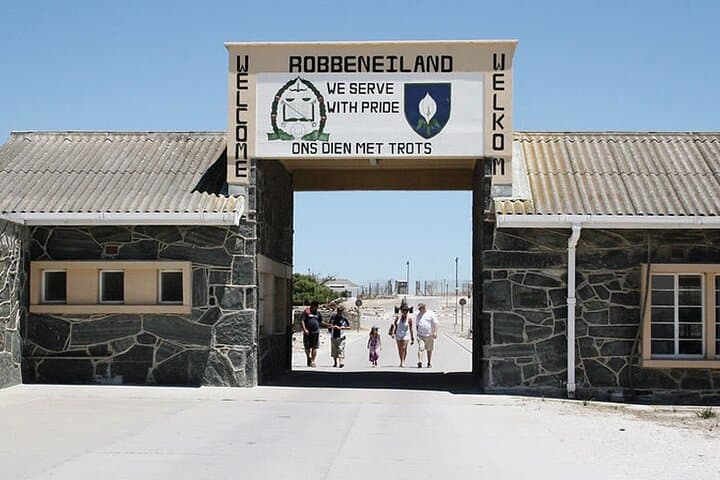


The ferry cuts loose from Cape Town harbour and the city’s edge shrinks into a sliver of skyline; salt wind presses at your face as Robben Island grows out of the grey swell — low, stony, honest. On shore, the prison compound sits flat against the Atlantic, its concrete and gravel paths tracing stories that are both public record and private memory.
The ferry cuts loose from Cape Town harbour and the city’s edge shrinks into a sliver of skyline; salt wind presses at your face as Robben Island grows out of the grey swell — low, stony, honest. On shore, the prison compound sits flat against the Atlantic, its concrete and gravel paths tracing stories that are both public record and private memory.
Robben Island is a geological outcrop of Table Mountain sandstone molded by wind and sea; its contours frame a layered history from 17th‑century quarantine station and WWII internment site to the apartheid‑era maximum security prison where Nelson Mandela served 18 of his 27 years behind bars. Guides — often former inmates themselves on other tours — stitch personal testimony to national history, turning cells and work yards into vivid archives of resilience and resistance. The island’s sparse vegetation and exposed shoreline make the landscape feel active: surf dares the rock, seabirds wheel above the old lime quarries, and the lighthouse watches like a patient keeper.
Practically, expect a 4–6 hour outing that includes hotel pickup in Cape Town, a shared ferry crossing (note: ferry departures often start at 09:00 on certain days), and a guided walking tour across mostly flat, mixed gravel and paved surfaces. The route is accessible and suitable for most fitness levels, but ferry crossings can be choppy and sun exposure is high. Carry a valid ID or passport for check‑in, layer for wind and sun, and bring water and a small snack for pauses between talking points. Allow extra time in Cape Town for traffic to the ferry terminal, and reserve mornings when seas are typically calmer. The tour marries uncompromising history with a raw coastal setting — sobering, instructive, and quietly powerful.