THE ADVENTURE COLLECTIVE® · Independent discovery and booking for outdoor travel

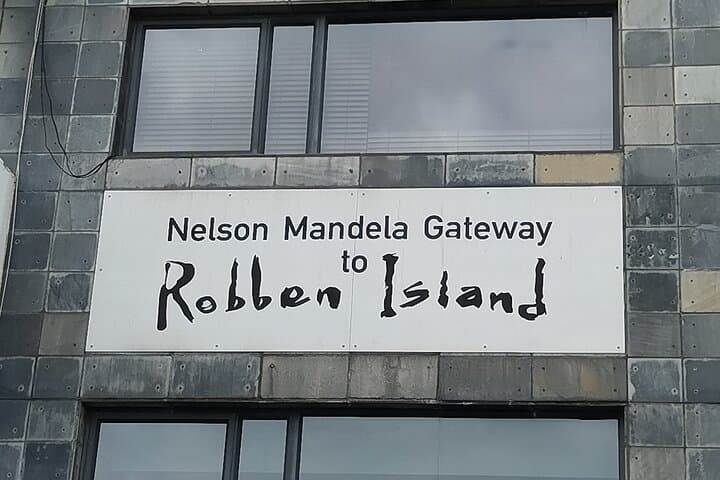
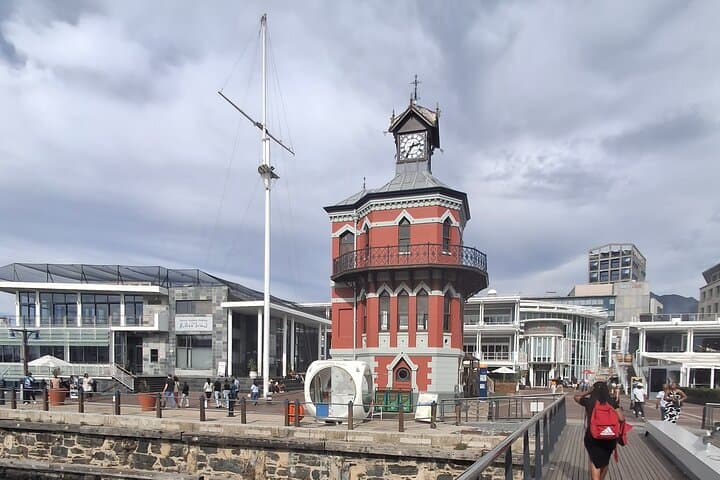
Board a shared ferry from the V&A Waterfront for a guided tour of Robben Island led by former political prisoners. Visit Nelson Mandela’s cell, learn the island’s layered history, and spot seabirds and seals along the rugged shore.
Board a shared ferry from the V&A Waterfront for a guided tour of Robben Island led by former political prisoners. Visit Nelson Mandela’s cell, learn the island’s layered history, and spot seabirds and seals along the rugged shore.
The ferry hums across Table Bay, salt spray stinging the face as Cape Town’s skyline recedes and a low, flat island grows in the mist. Robben Island’s pale cliffs and squat lighthouse come into focus; the sound of water and gulls becomes the prelude to a very human story.
Verified experiences and guided adventures in the surrounding area.
Operated by Binioko · Cape Town, Western Cape
The ferry hums across Table Bay, salt spray stinging the face as Cape Town’s skyline recedes and a low, flat island grows in the mist. Robben Island’s pale cliffs and squat lighthouse come into focus; the sound of water and gulls becomes the prelude to a very human story.
Robben Island has layered histories: a 17th-century colonial outpost, a leper colony, a wartime base and, most memorably, a maximum-security prison where Nelson Mandela and other political detainees were held. The island’s bedrock is Table Mountain sandstone, worn by wind and wave, and its shore hosts seabird colonies and occasional seals that give the place a raw, marine edge.
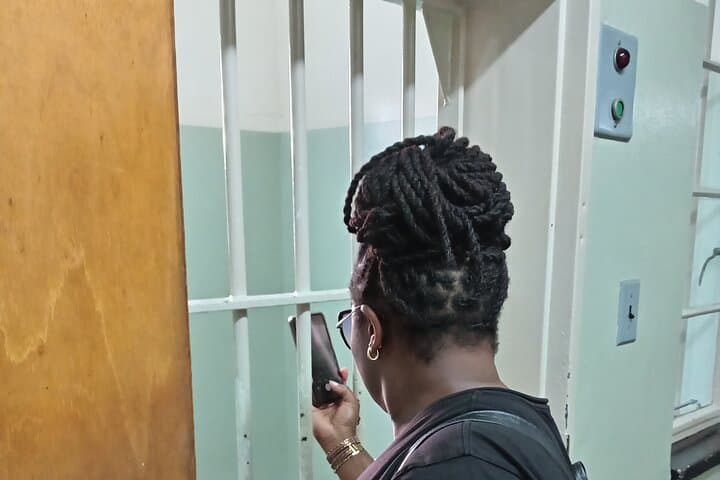
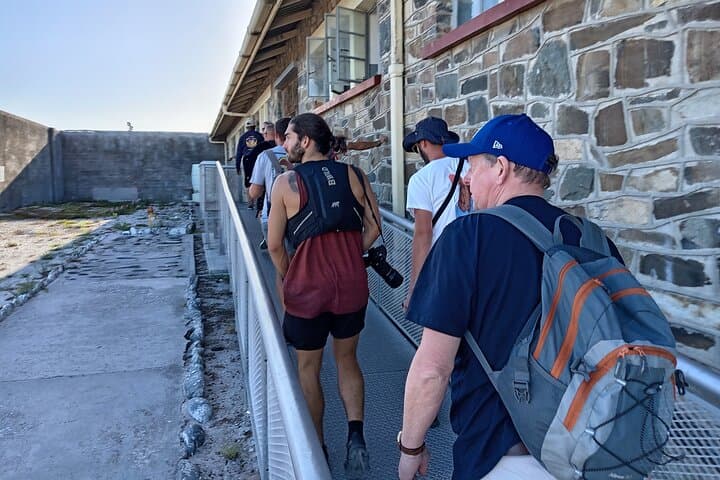
Guides on official tours are often former political prisoners; their first-hand accounts shape the visit into something more than a museum stop. You’ll ride a shared ferry from the V&A Waterfront, take a bus tour around the island, and step into Mandela’s cramped cell—an austere space that contrasts sharply with the expansive view of the mainland.
Practicalities: bring valid identification (passport for internationals), wear layered clothing—the bay is cool even in summer—and expect 3–4 hours total including the crossing. The route is wheelchair accessible but can be breezy on deck; follow guides and keep to marked areas to protect nesting birds and fragile historic fabric.
This trip is equal parts history lesson and coastal outing: a sobering, illuminating experience made immediate by people who lived the story, and shaped by the sea that both isolated and defined the island.
easy.
3–4 hours.
Light walking and short periods standing on the ferry; suitable for most fitness levels
Yes—international visitors must present a passport; South African citizens can use a national ID.
Most areas and the ferry are accessible and some tours accommodate wheelchairs—notify at booking if you require assistance.
Plan for roughly 3–4 hours total; the ferry crossing is about 30–45 minutes each way depending on conditions.
Photography is generally allowed in outdoor areas, but follow your guide's instructions about restricted indoor spaces and respect sensitivities.
Robben Island served as a political prison during apartheid; Nelson Mandela spent 18 of his 27 years of incarceration here and the site is a UNESCO World Heritage Site.
Visitor numbers and access are managed to protect nesting seabirds and fragile archaeological features; stick to paths and avoid disturbing wildlife.
Binioko operates guided outdoor trips and adventures with an emphasis on safety, stewardship, and memorable experiences.
The ferry hums across Table Bay, salt spray stinging the face as Cape Town’s skyline recedes and a low, flat island grows in the mist. Robben Island’s pale cliffs and squat lighthouse come into focus; the sound of water and gulls becomes the prelude to a very human story.
The ferry hums across Table Bay, salt spray stinging the face as Cape Town’s skyline recedes and a low, flat island grows in the mist. Robben Island’s pale cliffs and squat lighthouse come into focus; the sound of water and gulls becomes the prelude to a very human story.
Robben Island has layered histories: a 17th-century colonial outpost, a leper colony, a wartime base and, most memorably, a maximum-security prison where Nelson Mandela and other political detainees were held. The island’s bedrock is Table Mountain sandstone, worn by wind and wave, and its shore hosts seabird colonies and occasional seals that give the place a raw, marine edge.
Guides on official tours are often former political prisoners; their first-hand accounts shape the visit into something more than a museum stop. You’ll ride a shared ferry from the V&A Waterfront, take a bus tour around the island, and step into Mandela’s cramped cell—an austere space that contrasts sharply with the expansive view of the mainland.
Practicalities: bring valid identification (passport for internationals), wear layered clothing—the bay is cool even in summer—and expect 3–4 hours total including the crossing. The route is wheelchair accessible but can be breezy on deck; follow guides and keep to marked areas to protect nesting birds and fragile historic fabric.
This trip is equal parts history lesson and coastal outing: a sobering, illuminating experience made immediate by people who lived the story, and shaped by the sea that both isolated and defined the island.