THE ADVENTURE COLLECTIVE® · Independent discovery and booking for outdoor travel

Take the ferry from the V&A Waterfront to Robben Island for a 4-hour guided experience that mixes wind-swept coastal views with powerful history. Tours include the return ferry, guided bus stops, and an official walk through the maximum-security prison led by knowledgeable guides and former political prisoners.
Take the ferry from the V&A Waterfront to Robben Island for a 4-hour guided experience that mixes wind-swept coastal views with powerful history. Tours include the return ferry, guided bus stops, and an official walk through the maximum-security prison led by knowledgeable guides and former political prisoners.
The ferry slips away from the V&A Waterfront and the city shrinks into a row of rooftops; the Atlantic pushes at the hull as the island grows from the horizon. On arrival, a low, wind-swept plateau greets you — an island that holds both harsh geology and a heavier human story.
Verified experiences and guided adventures in the surrounding area.
Operated by Cape Oasis Travel and Tour · Cape Town, Western Cape
The ferry slips away from the V&A Waterfront and the city shrinks into a row of rooftops; the Atlantic pushes at the hull as the island grows from the horizon. On arrival, a low, wind-swept plateau greets you — an island that holds both harsh geology and a heavier human story.
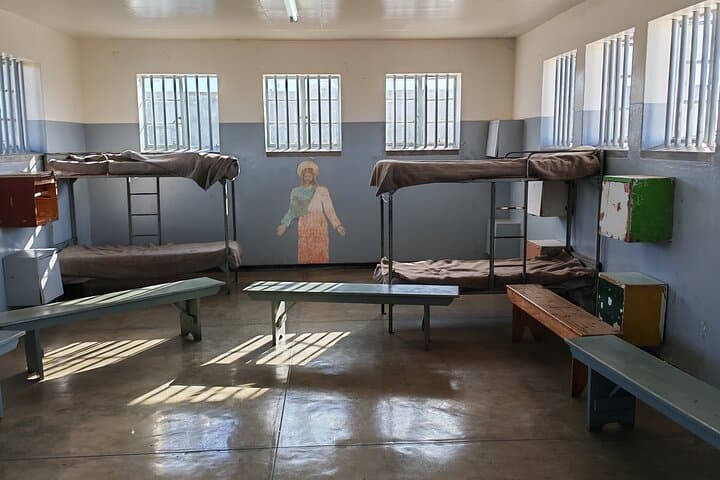
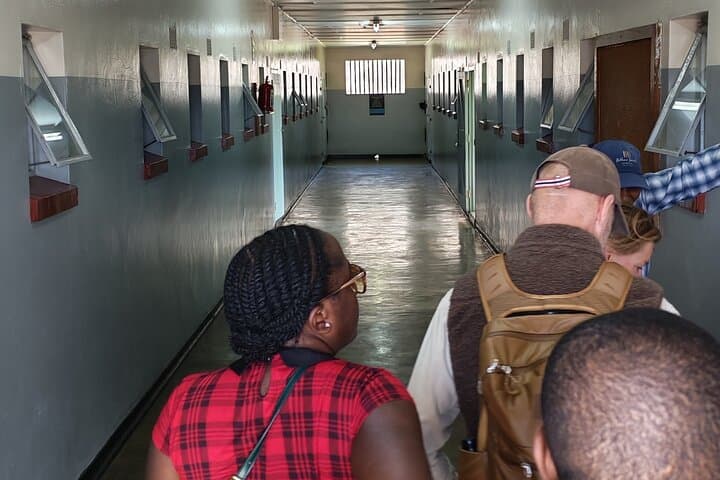
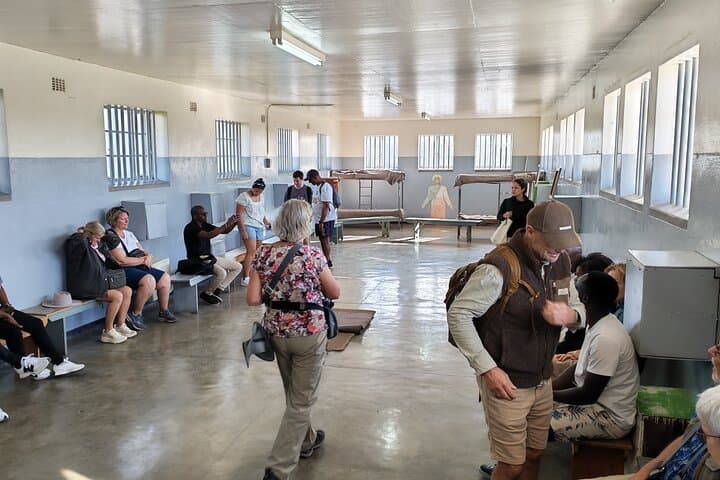
Robben Island’s limestone quarries and sparse scrub tell part of its geology: flat, exposed rock carved by sea and wind, with the lime quarry still visible where prisoners were put to work. The site’s modern identity is inseparable from the history of South Africa’s struggle: the maximum-security prison where Nelson Mandela and many others served long sentences is presented through exhibits and tours led by former inmates and trained guides. Cultural context is immediate and intimate; stories are specific, frank, and sometimes raw.
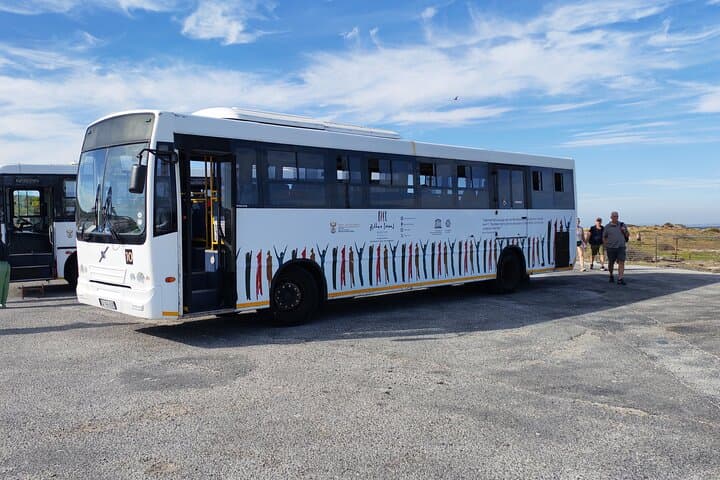
Practical details matter here. Tours include the return ferry crossing and guided bus stops at the lime quarry, Robert Sobukwe’s house, and Mandela’s cell. The visit is about four hours total; expect standing, a short guided walk, and time in small exhibition spaces. Weather is a player — wind and sun alternate quickly — so dress in layers and bring sunscreen. The crossing can be choppy; if you’re prone to seasickness, plan accordingly.
Accessibility is good: the museum notes wheelchair access and transport provisions. Bring government-issued ID for boarding, allow time to clear security at the Nelson Mandela Gateway, and arrive early to swap confirmation for your ferry ticket. The island encourages respectful photography and quiet reflection — it’s an outdoor museum where the landscape and the stories both require attention.
easy.
4 hours.
Suitable for most fitness levels; involves short walks, standing and a bus transfer around the island
The ferry crossing typically takes about 30–40 minutes each way depending on sea conditions; factor this into the total 4-hour tour time.
Yes — the Robben Island Museum and ferry provide wheelchair-accessible options; notify the operator in advance for any assistance needed.
Bring government-issued photo ID (passport or national ID) to exchange your confirmation for a ferry ticket at the Nelson Mandela Gateway.
Infants and small children can join tours; strollers are allowed but some areas require folding and you should be prepared to carry children on uneven surfaces.
Robben Island served as a maximum-security prison during apartheid and held Nelson Mandela for 18 of his 27 years in detention; the island’s museum preserves those stories through guides and former-prisoner testimonies.
The island and surrounding waters are managed to protect cultural heritage and marine life; visitors are asked to stay on designated paths, avoid disturbing wildlife, and take all rubbish back to the mainland.
Cape Oasis Travel and Tour operates guided outdoor trips and adventures with an emphasis on safety, stewardship, and memorable experiences.
The ferry slips away from the V&A Waterfront and the city shrinks into a row of rooftops; the Atlantic pushes at the hull as the island grows from the horizon. On arrival, a low, wind-swept plateau greets you — an island that holds both harsh geology and a heavier human story.
The ferry slips away from the V&A Waterfront and the city shrinks into a row of rooftops; the Atlantic pushes at the hull as the island grows from the horizon. On arrival, a low, wind-swept plateau greets you — an island that holds both harsh geology and a heavier human story.
Robben Island’s limestone quarries and sparse scrub tell part of its geology: flat, exposed rock carved by sea and wind, with the lime quarry still visible where prisoners were put to work. The site’s modern identity is inseparable from the history of South Africa’s struggle: the maximum-security prison where Nelson Mandela and many others served long sentences is presented through exhibits and tours led by former inmates and trained guides. Cultural context is immediate and intimate; stories are specific, frank, and sometimes raw.
Practical details matter here. Tours include the return ferry crossing and guided bus stops at the lime quarry, Robert Sobukwe’s house, and Mandela’s cell. The visit is about four hours total; expect standing, a short guided walk, and time in small exhibition spaces. Weather is a player — wind and sun alternate quickly — so dress in layers and bring sunscreen. The crossing can be choppy; if you’re prone to seasickness, plan accordingly.
Accessibility is good: the museum notes wheelchair access and transport provisions. Bring government-issued ID for boarding, allow time to clear security at the Nelson Mandela Gateway, and arrive early to swap confirmation for your ferry ticket. The island encourages respectful photography and quiet reflection — it’s an outdoor museum where the landscape and the stories both require attention.