THE ADVENTURE COLLECTIVE® · Independent discovery and booking for outdoor travel

Board the ferry at the V&A Waterfront for a guided visit to Robben Island, then step into Langa Township to meet the people, art and history that shaped modern South Africa. This full-day tour pairs a UNESCO site with a community-led cultural walk.
Board the ferry at the V&A Waterfront for a guided visit to Robben Island, then step into Langa Township to meet the people, art and history that shaped modern South Africa. This full-day tour pairs a UNESCO site with a community-led cultural walk.
The ferry slips away from the Nelson Mandela Gateway and the harbor opens like a gray page; wind pushes at your jacket and Table Mountain watches from across the bay. Twenty minutes later the island’s low silhouette resolves into concrete buildings, a lighthouse and the quarry where prisoners once hauled lime under an unforgiving sky. The place still speaks — voices are literal here: former inmates and ex-warders lead the tour with plain, unadorned accounts.
Verified experiences and guided adventures in the surrounding area.
Operated by Raw African Safaris · Cape Town, Western Cape
The ferry slips away from the Nelson Mandela Gateway and the harbor opens like a gray page; wind pushes at your jacket and Table Mountain watches from across the bay. Twenty minutes later the island’s low silhouette resolves into concrete buildings, a lighthouse and the quarry where prisoners once hauled lime under an unforgiving sky. The place still speaks — voices are literal here: former inmates and ex-warders lead the tour with plain, unadorned accounts.
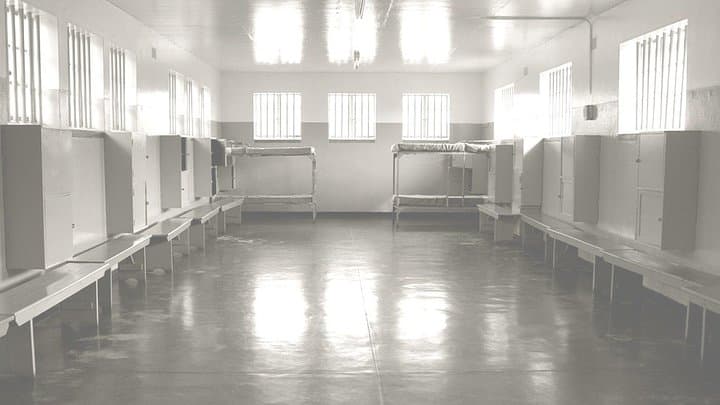
Robben Island has been a prison, leper colony and isolation station, and its stone corridors record apartheid’s mechanics. Declared a UNESCO World Heritage Site in 1999, the island is as much a classroom as a memorial. The boat crossing frames geology and urban history together: Table Bay’s granite backbone and the Cape Flats beyond shaped settlement patterns and the growth of townships like Langa, which you visit after the island.
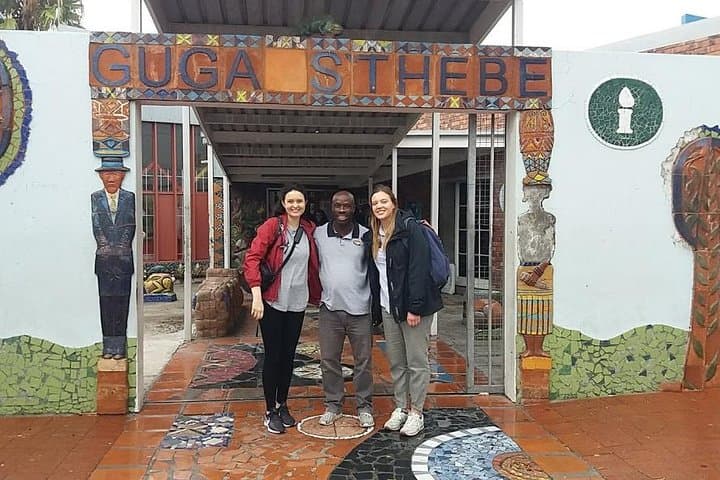
In Langa expect a brisk, human-scale contrast to the V&A Waterfront — narrow streets, vibrant small businesses, the Guga S’Thebe Cultural Centre and a market where beadwork, woodcarving and township braai culture are on honest display. Guides emphasize everyday resilience and recent social history, not just the spectacular headlines.
Plan for variable weather, an exposed ferry deck and about eight hours total including transfers. Wear sturdy walking shoes, bring sun and wind protection, and leave extra time for queuing at the Gateway. Photography is allowed in many places but follow guide instructions in sensitive areas. The itinerary balances heavy history with living culture, offering both sober reflection and direct engagement with contemporary community life.
easy.
8 hours.
Basic walking fitness; able to stand for tours and negotiate steps and uneven surfaces
The ferry crossing from the V&A Waterfront to Robben Island takes about 20–30 minutes each way, weather permitting.
Many island tours are conducted by former inmates or ex-warders who offer first-hand accounts; guides vary by departure but this tour often includes those perspectives.
Yes — the tour notes indicate wheelchair-accessible options for transport and many accessible surfaces, but notify the operator at booking to arrange specifics.
This tour typically includes return Robben Island ferry tickets, guided island tour, transfer to Langa and back, an African lunch, bottled water and hotel pickup/drop-off.
Robben Island was used for political imprisonment during apartheid; Nelson Mandela spent 18 of his 27 years there, and the site is a UNESCO World Heritage Site.
Visitor numbers and ferry operations are managed to protect archaeological and natural features; support local vendors and follow site rules to minimize impact.
Raw African Safaris operates guided outdoor trips and adventures with an emphasis on safety, stewardship, and memorable experiences.
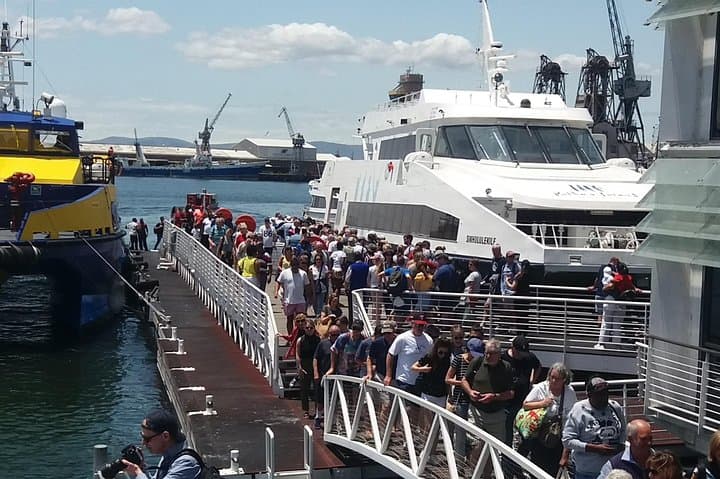
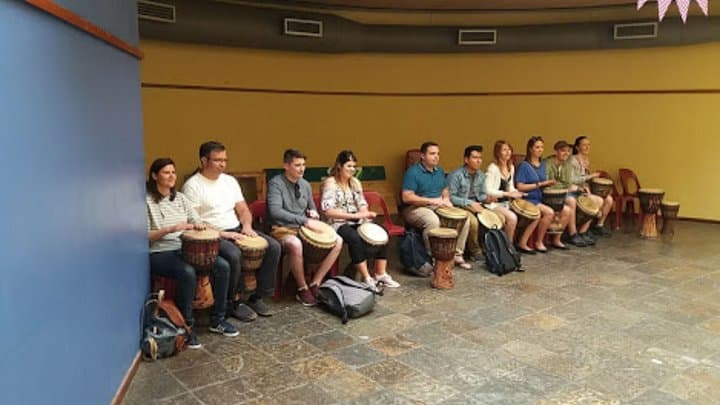
The ferry slips away from the Nelson Mandela Gateway and the harbor opens like a gray page; wind pushes at your jacket and Table Mountain watches from across the bay. Twenty minutes later the island’s low silhouette resolves into concrete buildings, a lighthouse and the quarry where prisoners once hauled lime under an unforgiving sky. The place still speaks — voices are literal here: former inmates and ex-warders lead the tour with plain, unadorned accounts.
The ferry slips away from the Nelson Mandela Gateway and the harbor opens like a gray page; wind pushes at your jacket and Table Mountain watches from across the bay. Twenty minutes later the island’s low silhouette resolves into concrete buildings, a lighthouse and the quarry where prisoners once hauled lime under an unforgiving sky. The place still speaks — voices are literal here: former inmates and ex-warders lead the tour with plain, unadorned accounts.
Robben Island has been a prison, leper colony and isolation station, and its stone corridors record apartheid’s mechanics. Declared a UNESCO World Heritage Site in 1999, the island is as much a classroom as a memorial. The boat crossing frames geology and urban history together: Table Bay’s granite backbone and the Cape Flats beyond shaped settlement patterns and the growth of townships like Langa, which you visit after the island.
In Langa expect a brisk, human-scale contrast to the V&A Waterfront — narrow streets, vibrant small businesses, the Guga S’Thebe Cultural Centre and a market where beadwork, woodcarving and township braai culture are on honest display. Guides emphasize everyday resilience and recent social history, not just the spectacular headlines.
Plan for variable weather, an exposed ferry deck and about eight hours total including transfers. Wear sturdy walking shoes, bring sun and wind protection, and leave extra time for queuing at the Gateway. Photography is allowed in many places but follow guide instructions in sensitive areas. The itinerary balances heavy history with living culture, offering both sober reflection and direct engagement with contemporary community life.