THE ADVENTURE COLLECTIVE® · Independent discovery and booking for outdoor travel

Board a short ferry from the V&A Waterfront to Robben Island and follow a former political prisoner through the quarry, prison blocks, and Mandela’s cell. This 3–4 hour tour blends ocean travel with a guided, deeply personal history lesson.
Board a short ferry from the V&A Waterfront to Robben Island and follow a former political prisoner through the quarry, prison blocks, and Mandela’s cell. This 3–4 hour tour blends ocean travel with a guided, deeply personal history lesson.
The wind cuts across Table Bay as the ferry leaves the V&A Waterfront; salt spray and the city skyline fall away and the island’s low profile grows sharp on the horizon. The ocean seems to dare you forward, and the dock at Robben Island is the threshold into a story that shaped a nation.
Verified experiences and guided adventures in the surrounding area.
Operated by KJA Tours (Pty)Ltd · Cape Town, Western Cape
The wind cuts across Table Bay as the ferry leaves the V&A Waterfront; salt spray and the city skyline fall away and the island’s low profile grows sharp on the horizon. The ocean seems to dare you forward, and the dock at Robben Island is the threshold into a story that shaped a nation.
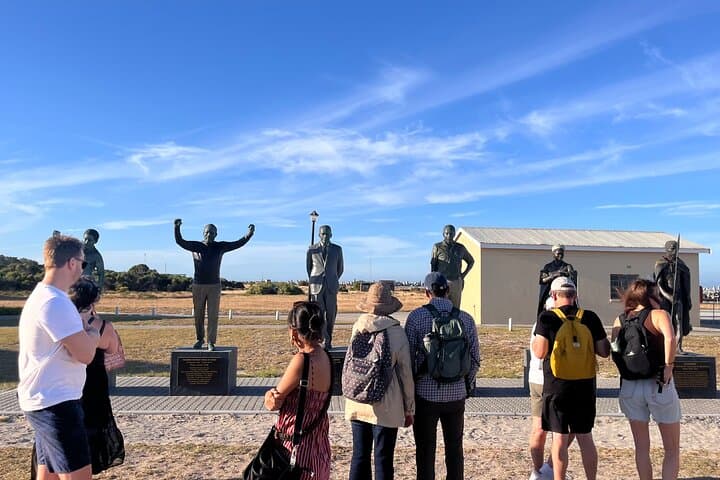
Geology here is simple—flattened dunes and limestone bedrock scarred by a lime quarry where inmates toiled—but the cultural weight is dense. Robben Island served as a leper colony, a World War II base, and most famously a maximum-security prison where Nelson Mandela and other political prisoners were confined. A former political prisoner leads the walking portion inside the prison, bringing first-person detail to the cell blocks, B-section, and the quarry work that defined daily life.
The bus circuit takes you past the leper colony ruins, staff village, and coastal viewpoints looking back at Cape Town and Table Mountain; the landscape’s exposure makes wind and light part of the experience. Guides point out grave markers, old fortifications, and the island’s ecology—hardy coastal fynbos and seabird colonies that persist despite human history.
Practicalities: tours depart from the Nelson Mandela Gateway at the V&A Waterfront and include return ferry tickets; expect a 3–4 hour outing with moderate walking and some steps. Bring sun protection, a wind layer, and comfortable shoes; ferry crossings are subject to sea conditions and the operator may cancel in bad weather. Accessibility is generally good, with assisted check-in and wheelchair-accessible areas, but check specifics when booking. This is a thoughtful, educational excursion—prepare to listen, reflect, and keep hydrated as you move through one of South Africa’s most significant sites.
moderate.
3–4 hours.
Comfortable walking ability and the ability to manage several flights of stairs and uneven ground; not strenuous but requires stamina for standing and walking.
The ferry crossing is generally around 30–40 minutes each way, but boarding and disembarkation add time to the schedule.
Yes — the walking tour inside the maximum-security area is guided by a former political prisoner, offering firsthand accounts of life on the island.
Many areas and services are wheelchair accessible and assisted check-in is offered, but some historic sites and uneven surfaces may limit access—contact the operator for specifics.
Tours are typically canceled for rough sea conditions; operators will refund or reschedule if departures are canceled for safety reasons.
Robben Island’s layered history includes use as a leper colony in the 19th century and a prison during apartheid; Mandela’s imprisonment here made it an international symbol of resistance.
Visitors are asked to stay on paths to protect fragile coastal vegetation and seabird nesting areas; the island is managed to balance heritage preservation with ecological protection.
KJA Tours (Pty)Ltd operates guided outdoor trips and adventures with an emphasis on safety, stewardship, and memorable experiences.


The wind cuts across Table Bay as the ferry leaves the V&A Waterfront; salt spray and the city skyline fall away and the island’s low profile grows sharp on the horizon. The ocean seems to dare you forward, and the dock at Robben Island is the threshold into a story that shaped a nation.
The wind cuts across Table Bay as the ferry leaves the V&A Waterfront; salt spray and the city skyline fall away and the island’s low profile grows sharp on the horizon. The ocean seems to dare you forward, and the dock at Robben Island is the threshold into a story that shaped a nation.
Geology here is simple—flattened dunes and limestone bedrock scarred by a lime quarry where inmates toiled—but the cultural weight is dense. Robben Island served as a leper colony, a World War II base, and most famously a maximum-security prison where Nelson Mandela and other political prisoners were confined. A former political prisoner leads the walking portion inside the prison, bringing first-person detail to the cell blocks, B-section, and the quarry work that defined daily life.
The bus circuit takes you past the leper colony ruins, staff village, and coastal viewpoints looking back at Cape Town and Table Mountain; the landscape’s exposure makes wind and light part of the experience. Guides point out grave markers, old fortifications, and the island’s ecology—hardy coastal fynbos and seabird colonies that persist despite human history.
Practicalities: tours depart from the Nelson Mandela Gateway at the V&A Waterfront and include return ferry tickets; expect a 3–4 hour outing with moderate walking and some steps. Bring sun protection, a wind layer, and comfortable shoes; ferry crossings are subject to sea conditions and the operator may cancel in bad weather. Accessibility is generally good, with assisted check-in and wheelchair-accessible areas, but check specifics when booking. This is a thoughtful, educational excursion—prepare to listen, reflect, and keep hydrated as you move through one of South Africa’s most significant sites.