THE ADVENTURE COLLECTIVE® · Independent discovery and booking for outdoor travel

Cross the swell from the V&A Waterfront to Robben Island for a focused, guided visit to Nelson Mandela’s cell and the island’s prison sites. This half-day tour includes hotel pickup, ferry transit and museum admission — book early to secure a slot.
Cross the swell from the V&A Waterfront to Robben Island for a focused, guided visit to Nelson Mandela’s cell and the island’s prison sites. This half-day tour includes hotel pickup, ferry transit and museum admission — book early to secure a slot.
The ferry eases out of the V&A Waterfront and the Atlantic pushes at the hull as Cape Town's skyline shrinks behind you. On the horizon, Robben Island reads like a low, weathered shoulder — wind-swept, exposed, and stubbornly present. Arrive at the Nelson Mandela Gateway and the story shifts from sea-spray to stone: a bus ride takes you past former prison workshops, quarry scars and high walls carved by prisoners’ labor, then stops at the cell where Mandela spent 18 of his 27 years in custody.
Verified experiences and guided adventures in the surrounding area.
Operated by Said Travel & Tours · Cape Town, Western Cape
The ferry eases out of the V&A Waterfront and the Atlantic pushes at the hull as Cape Town's skyline shrinks behind you. On the horizon, Robben Island reads like a low, weathered shoulder — wind-swept, exposed, and stubbornly present. Arrive at the Nelson Mandela Gateway and the story shifts from sea-spray to stone: a bus ride takes you past former prison workshops, quarry scars and high walls carved by prisoners’ labor, then stops at the cell where Mandela spent 18 of his 27 years in custody.
Robben Island's history layers military, leper-colony and penal uses dating back centuries; its geology is largely Table Mountain Sandstone and coastal limestone, scoured by winter storms. The island's cultural significance is global — the museum and ex-prisoner guides frame apartheid's structure and the resilience of freedom fighters in direct, personal terms. Outside of the story-telling, seabirds wheel and the ocean seems to dare you to forget the distance between shore and justice.
Practical details: the tour is about four to five hours door-to-door from Cape Town hotels, includes ferry transit and museum admission, and is wheelchair-accessible in many areas. Book early — ferries sell out, especially in summer. Bring layers for wind and a photocopy of ID or passport; security and guided timings are strict. Expect walking on mixed surfaces, some exposed sections, and time for a short free period back at the V&A Waterfront for food or shops. This half-day excursion is compact but impactful: a focused encounter with history that rewards attention and respect.
easy.
4–5 hours.
Suitable for most fitness levels; involves short walks and standing during the guided prison tour.
The ferry typically takes about 30–45 minutes each way depending on weather and sea conditions.
Yes — Robben Island Museum uses former political prisoners as guides for the prison tour, offering first-hand interpretation.
Many areas, including parts of the visitor center and some transport, are wheelchair-accessible — notify the operator in advance about specific needs.
There are limited facilities; most tours include a short free period back at the V&A Waterfront where restaurants and shops are available.
Robben Island served as a prison for political detainees during apartheid; Nelson Mandela was incarcerated there for 18 years, making the site central to South Africa’s struggle for democracy.
The island is both a heritage site and an ecological zone — visitor numbers and routes are controlled to protect nesting seabirds and fragile coastal habitats.
Said Travel & Tours operates guided outdoor trips and adventures with an emphasis on safety, stewardship, and memorable experiences.
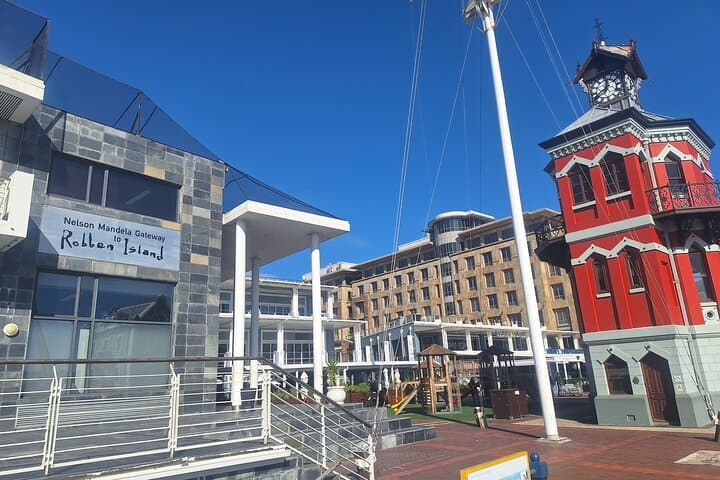

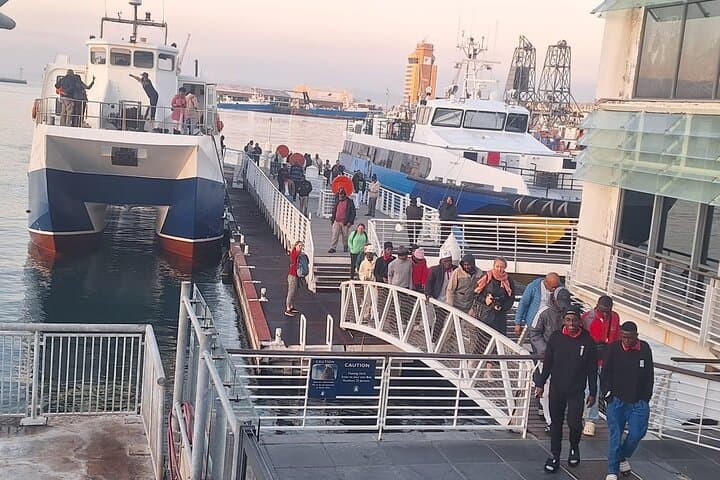
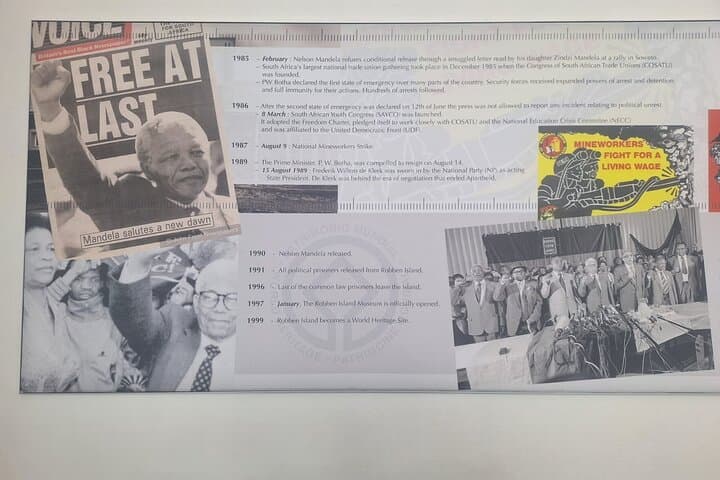
The ferry eases out of the V&A Waterfront and the Atlantic pushes at the hull as Cape Town's skyline shrinks behind you. On the horizon, Robben Island reads like a low, weathered shoulder — wind-swept, exposed, and stubbornly present. Arrive at the Nelson Mandela Gateway and the story shifts from sea-spray to stone: a bus ride takes you past former prison workshops, quarry scars and high walls carved by prisoners’ labor, then stops at the cell where Mandela spent 18 of his 27 years in custody.
The ferry eases out of the V&A Waterfront and the Atlantic pushes at the hull as Cape Town's skyline shrinks behind you. On the horizon, Robben Island reads like a low, weathered shoulder — wind-swept, exposed, and stubbornly present. Arrive at the Nelson Mandela Gateway and the story shifts from sea-spray to stone: a bus ride takes you past former prison workshops, quarry scars and high walls carved by prisoners’ labor, then stops at the cell where Mandela spent 18 of his 27 years in custody.
Robben Island's history layers military, leper-colony and penal uses dating back centuries; its geology is largely Table Mountain Sandstone and coastal limestone, scoured by winter storms. The island's cultural significance is global — the museum and ex-prisoner guides frame apartheid's structure and the resilience of freedom fighters in direct, personal terms. Outside of the story-telling, seabirds wheel and the ocean seems to dare you to forget the distance between shore and justice.
Practical details: the tour is about four to five hours door-to-door from Cape Town hotels, includes ferry transit and museum admission, and is wheelchair-accessible in many areas. Book early — ferries sell out, especially in summer. Bring layers for wind and a photocopy of ID or passport; security and guided timings are strict. Expect walking on mixed surfaces, some exposed sections, and time for a short free period back at the V&A Waterfront for food or shops. This half-day excursion is compact but impactful: a focused encounter with history that rewards attention and respect.