THE ADVENTURE COLLECTIVE® · Independent discovery and booking for outdoor travel

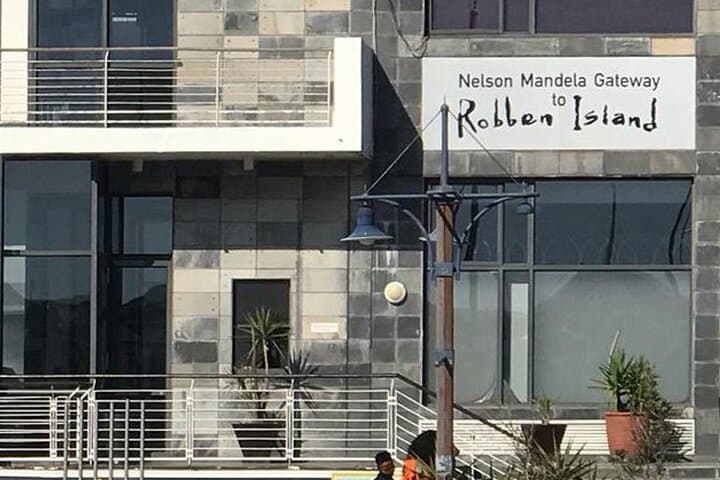
Board a short ferry from the Nelson Mandela Gateway to Robben Island for a guided museum tour led by former prisoners, then return to the V&A Waterfront for lunch and shopping. This accessible half-day experience mixes raw history with practical logistics—ideal for a focused cultural visit from Cape Town.
Board a short ferry from the Nelson Mandela Gateway to Robben Island for a guided museum tour led by former prisoners, then return to the V&A Waterfront for lunch and shopping. This accessible half-day experience mixes raw history with practical logistics—ideal for a focused cultural visit from Cape Town.
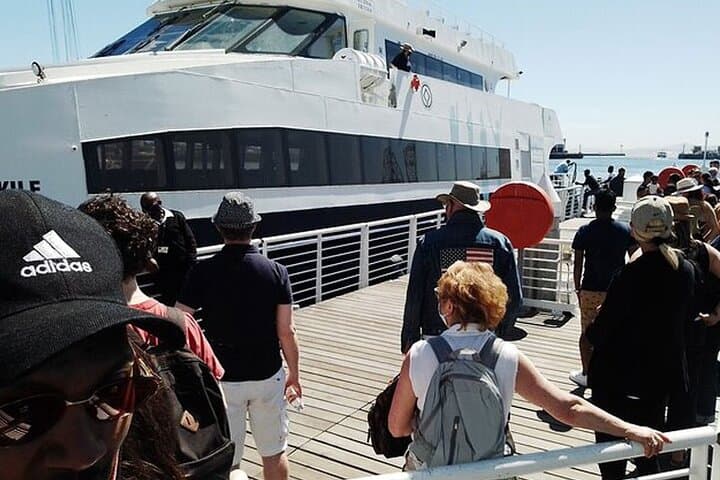
The ferry slips away from the Nelson Mandela Gateway with the city skyline shrinking behind you and the Atlantic wind pushing you toward a low, wind-scoured island. On the short crossing the water dares you to look away; seabirds wheel and the flat silhouette of Robben Island comes into focus—an island whose quiet shoreline hides decades of loud history.
Verified experiences and guided adventures in the surrounding area.
Operated by POD Cape Tours · Cape Town, Western Cape
The ferry slips away from the Nelson Mandela Gateway with the city skyline shrinking behind you and the Atlantic wind pushing you toward a low, wind-scoured island. On the short crossing the water dares you to look away; seabirds wheel and the flat silhouette of Robben Island comes into focus—an island whose quiet shoreline hides decades of loud history.
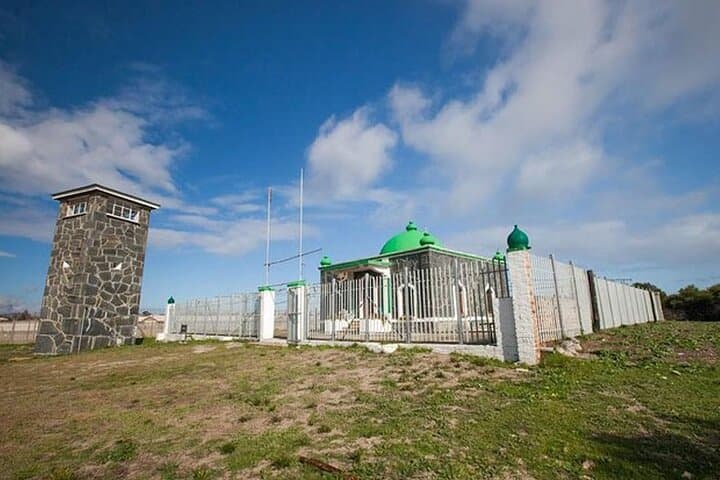
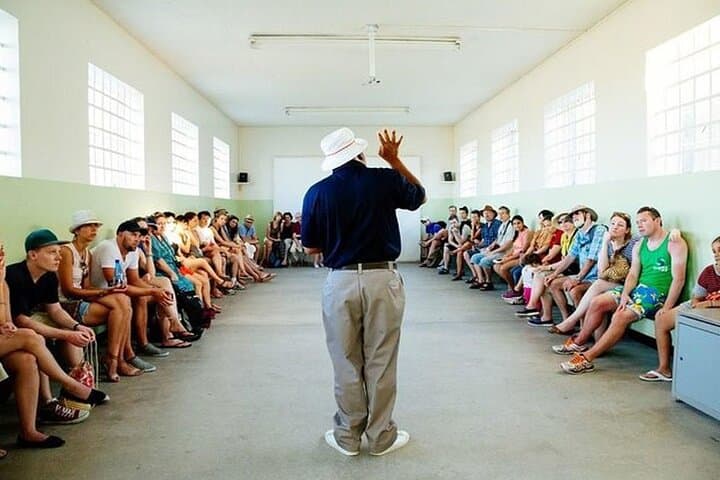
Robben Island’s story is recent and raw: a penal colony turned political prison where Nelson Mandela and other anti-apartheid activists were confined. The museum tour, often led by former prisoners, layers personal testimony over the site’s practical features—cellblocks, quarry pits and a bus route that threads the island. Geologically the island reads as exposed coastal rock and compacted sand, shaped by relentless Atlantic gusts and tidal currents; the landscape’s austerity helped define its use as a remote detention site.
Culturally, the visit is as much about listening as looking. Guides recount everyday resistance, while the V&A Waterfront return gives a softer counterpoint—cafés, shops and green space where Cape Towners gather. Expect a structured flow: hotel pickup in Cape Town, transfer to the Gateway, a roughly 30-minute ferry, a guided bus circuit and a walk to Mandela’s cell, then back to the waterfront for optional lunch.
Practical notes: carry photo ID for boarding, wear sturdy shoes and windproof layers, and allow extra time for security checks. Mobility assistance and stroller access are available but inform the operator at booking. Time your visit for calmer seas (mornings often best) and bring water and sun protection—the island’s elements remain an active presence throughout the tour.
easy.
4 hours.
Light walking and standing; suitable for most fitness levels but expect uneven surfaces during the island bus/walking segments.
The crossing is about 30 minutes each way but can vary with sea conditions.
Many museum tours include ex-political prisoners who share personal accounts on the island tour.
Lunch at the V&A Waterfront is optional and not included in the standard tour price.
The operator notes stroller and limited mobility access—notify them at booking so assistance can be arranged.
Robben Island served variously as a leper colony, military base and high-security prison; its recent role in the anti-apartheid struggle makes it a key site for South African memory.
Visitor numbers are managed through time slots to protect the fragile island environment; stick to paths and follow guide instructions to minimize impact.
POD Cape Tours operates guided outdoor trips and adventures with an emphasis on safety, stewardship, and memorable experiences.
The ferry slips away from the Nelson Mandela Gateway with the city skyline shrinking behind you and the Atlantic wind pushing you toward a low, wind-scoured island. On the short crossing the water dares you to look away; seabirds wheel and the flat silhouette of Robben Island comes into focus—an island whose quiet shoreline hides decades of loud history.
The ferry slips away from the Nelson Mandela Gateway with the city skyline shrinking behind you and the Atlantic wind pushing you toward a low, wind-scoured island. On the short crossing the water dares you to look away; seabirds wheel and the flat silhouette of Robben Island comes into focus—an island whose quiet shoreline hides decades of loud history.
Robben Island’s story is recent and raw: a penal colony turned political prison where Nelson Mandela and other anti-apartheid activists were confined. The museum tour, often led by former prisoners, layers personal testimony over the site’s practical features—cellblocks, quarry pits and a bus route that threads the island. Geologically the island reads as exposed coastal rock and compacted sand, shaped by relentless Atlantic gusts and tidal currents; the landscape’s austerity helped define its use as a remote detention site.
Culturally, the visit is as much about listening as looking. Guides recount everyday resistance, while the V&A Waterfront return gives a softer counterpoint—cafés, shops and green space where Cape Towners gather. Expect a structured flow: hotel pickup in Cape Town, transfer to the Gateway, a roughly 30-minute ferry, a guided bus circuit and a walk to Mandela’s cell, then back to the waterfront for optional lunch.
Practical notes: carry photo ID for boarding, wear sturdy shoes and windproof layers, and allow extra time for security checks. Mobility assistance and stroller access are available but inform the operator at booking. Time your visit for calmer seas (mornings often best) and bring water and sun protection—the island’s elements remain an active presence throughout the tour.