THE ADVENTURE COLLECTIVE® · Independent discovery and booking for outdoor travel

Board a pre-booked ferry from Cape Town for a half-day visit to Robben Island’s Prison Museum and quarry. This guided tour pairs striking coastal views with powerful historical narratives about South Africa’s journey to democracy.
Board a pre-booked ferry from Cape Town for a half-day visit to Robben Island’s Prison Museum and quarry. This guided tour pairs striking coastal views with powerful historical narratives about South Africa’s journey to democracy.
The ferry slips from the Victoria & Alfred Waterfront and the Atlantic bites at the hull, the city shrinking behind you as Table Mountain keeps its watch. Sea-spray cools the face; gulls wheel and call, daring you to look away from the skyline. Arrival at Robben Island feels abrupt — wind-swept, low, and rigorously plain — a landscape shaped by history as much as by waves.
Verified experiences and guided adventures in the surrounding area.
Operated by Freedom Tour and Travel · Cape Town, Western Cape
The ferry slips from the Victoria & Alfred Waterfront and the Atlantic bites at the hull, the city shrinking behind you as Table Mountain keeps its watch. Sea-spray cools the face; gulls wheel and call, daring you to look away from the skyline. Arrival at Robben Island feels abrupt — wind-swept, low, and rigorously plain — a landscape shaped by history as much as by waves.
Robben Island’s limestone, quarried by prisoners, tells a geological story of shallow seas and compacted shells. Its human history is sharper: a strategic colonial outpost, a leper station and, most famously, the maximum-security prison that held Nelson Mandela and many anti-apartheid activists. Guides, often with personal or familial ties to that struggle, build narratives that move between political history, daily prison life and broader cultural shifts that led to democracy.
The route visits the Prison Museum, the quarry, and shoreline viewpoints where seabirds and the occasional seal punctuate silence. The experience is interpretive and reflective rather than recreational — expect measured walking, exposed sections and plenty of wind.
Practical notes: ferries run on timed slots; book early and expect security checks and basic seating on board. Weather changes fast — layer up and carry sun protection; shoes should handle gravel and uneven quarry surfaces. Allow four hours total from hotel pick-up, and bring a charged camera and an openness to listen: the island’s power lies in stories told on the ground, not just the views.
easy.
4–4.5 hours.
Suitable for most people who can walk short distances on uneven ground; some standing and walking for up to 2 hours on the island.
The crossing is typically about 30–45 minutes each way, depending on sea conditions and the ferry schedule.
The operator lists wheelchair accessibility, but some outdoor sections have uneven ground—notify the operator at booking to confirm assistance and routing.
Guides often include former inmates or community members with direct ties; many provide first-hand accounts or family histories relevant to the site.
Security checks apply and space is limited on the ferry; small snacks are fine but large luggage is discouraged—check the operator’s baggage rules before travel.
Robben Island served multiple functions over centuries—from a colonial outpost and leper station to a maximum-security prison central to apartheid history, most notably where Nelson Mandela was incarcerated for 18 years.
Robben Island’s ecosystems are sensitive; stay on paths, do not feed wildlife, and follow guide instructions to minimize erosion and disturbance.
Freedom Tour and Travel operates guided outdoor trips and adventures with an emphasis on safety, stewardship, and memorable experiences.
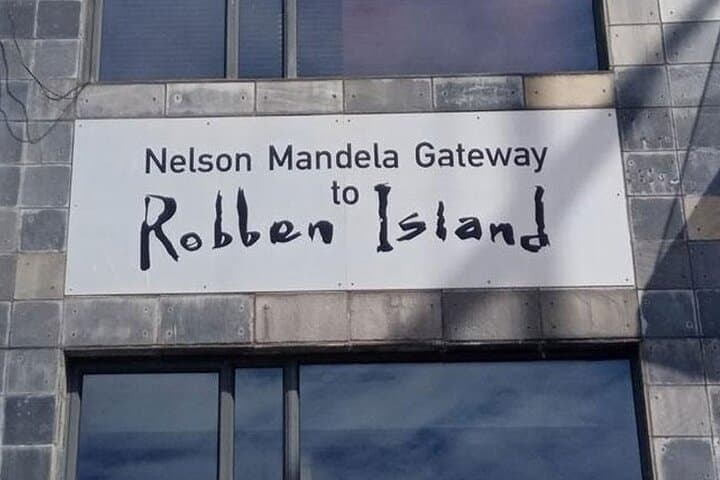
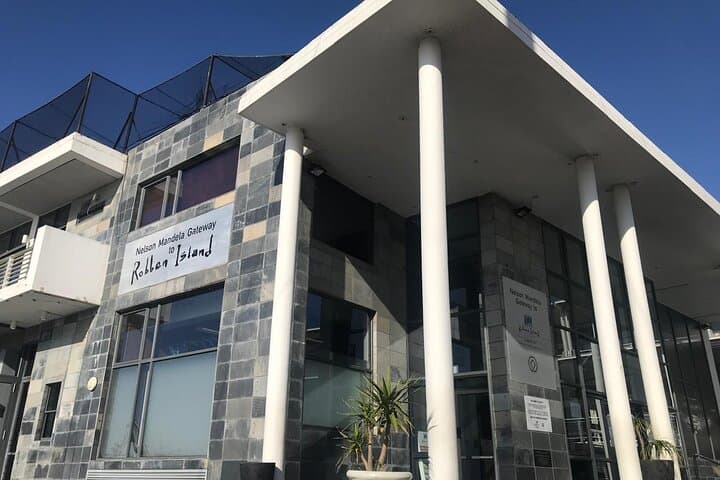
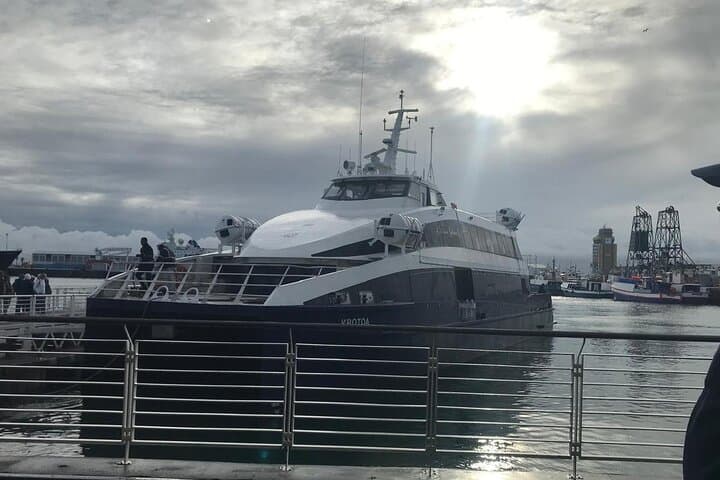
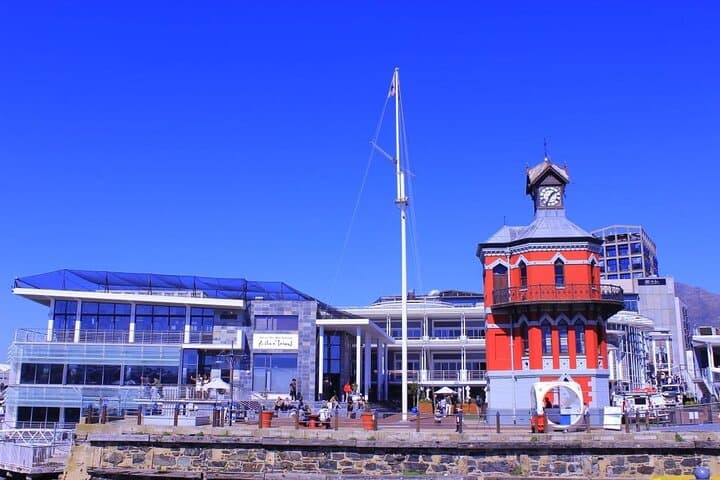
The ferry slips from the Victoria & Alfred Waterfront and the Atlantic bites at the hull, the city shrinking behind you as Table Mountain keeps its watch. Sea-spray cools the face; gulls wheel and call, daring you to look away from the skyline. Arrival at Robben Island feels abrupt — wind-swept, low, and rigorously plain — a landscape shaped by history as much as by waves.
The ferry slips from the Victoria & Alfred Waterfront and the Atlantic bites at the hull, the city shrinking behind you as Table Mountain keeps its watch. Sea-spray cools the face; gulls wheel and call, daring you to look away from the skyline. Arrival at Robben Island feels abrupt — wind-swept, low, and rigorously plain — a landscape shaped by history as much as by waves.
Robben Island’s limestone, quarried by prisoners, tells a geological story of shallow seas and compacted shells. Its human history is sharper: a strategic colonial outpost, a leper station and, most famously, the maximum-security prison that held Nelson Mandela and many anti-apartheid activists. Guides, often with personal or familial ties to that struggle, build narratives that move between political history, daily prison life and broader cultural shifts that led to democracy.
The route visits the Prison Museum, the quarry, and shoreline viewpoints where seabirds and the occasional seal punctuate silence. The experience is interpretive and reflective rather than recreational — expect measured walking, exposed sections and plenty of wind.
Practical notes: ferries run on timed slots; book early and expect security checks and basic seating on board. Weather changes fast — layer up and carry sun protection; shoes should handle gravel and uneven quarry surfaces. Allow four hours total from hotel pick-up, and bring a charged camera and an openness to listen: the island’s power lies in stories told on the ground, not just the views.