THE ADVENTURE COLLECTIVE® · Independent discovery and booking for outdoor travel

Cross Table Bay to an island where the landscape reads like a ledger of South African history. This half-day Robben Island tour combines a choppy ferry ride, a guided prison visit, and stark coastal scenery for a compact, powerful look at apartheid’s legacy.
Cross Table Bay to an island where the landscape reads like a ledger of South African history. This half-day Robben Island tour combines a choppy ferry ride, a guided prison visit, and stark coastal scenery for a compact, powerful look at apartheid’s legacy.
The ferry cuts through Table Bay with a brisk spray; Cape Town shrinks behind you and the low profile of Robben Island grows into focus — a flat, wind-swept slab of stone and history sitting six to seven kilometres off the mainland. Seabirds wheel and the sea seems to dare you closer as the boat makes for the island jetty.
Verified experiences and guided adventures in the surrounding area.
Operated by Safari Private Tours. · Cape Town, Western Cape
The ferry cuts through Table Bay with a brisk spray; Cape Town shrinks behind you and the low profile of Robben Island grows into focus — a flat, wind-swept slab of stone and history sitting six to seven kilometres off the mainland. Seabirds wheel and the sea seems to dare you closer as the boat makes for the island jetty.
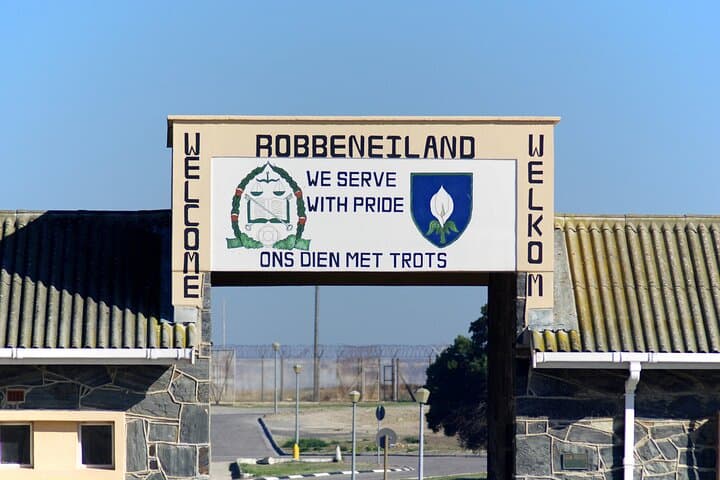
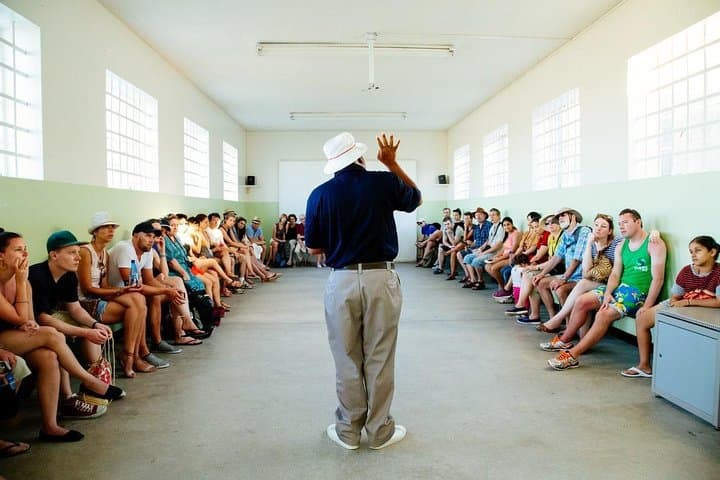
Once ashore, the story shifts from sea to stone. Robben Island’s limestone and shale plain was a penal station, leper colony and strategic outpost long before becoming synonymous with apartheid-era incarceration. The guided walk traces quarry yards where prisoners laboured and the corridor that led to Nelson Mandela’s cell — a spare space that has come to represent a nation’s fight for justice.
Geology here is blunt: low cliffs, iron-rich soils and windswept scrub that force vegetation low to the ground. Cultural context is immediate; the island operates as a living museum managed by the Robben Island Museum, and many narratives are told by former inmates who once worked the quarry and patrolled its perimeter.
Practicalities matter: bring valid ID or passport, dress for strong coastal wind, and expect a 4–5 hour window including transfer time. Photography is allowed in most exterior areas but restricted in certain museum spaces; follow your guide. The ferry can be choppy — take motion-sickness precautions and sit where you can steady your view of Table Mountain as you return. The half-day tour is compact but dense: history, shoreline views and a clear reminder of the island’s significance to South Africa’s modern story.
easy.
4–5 hours.
Suitable for most fitness levels; involves short walks on uneven surfaces and standing during the ferry crossing.
The total round trip and on-island visit is scheduled at about 4 to 5 hours (270 minutes), including pickup and returns to central Cape Town.
Yes — South African citizens should bring identity documents and international travellers must carry a passport for security and check-in.
The tour is generally suitable for most ages, but there is some walking on uneven surfaces and the ferry can be unstable; contact the operator about accessibility needs in advance.
Photography is allowed in most exterior areas but some interior spaces and exhibits may restrict photography—follow your guide’s directions.
Robben Island served as a political prison during apartheid; Nelson Mandela was imprisoned here for 18 of his 27 years of incarceration and the site is a UNESCO World Heritage Site.
The Robben Island Museum manages both cultural heritage and ecological protection; visitors should stay on paths, avoid disturbing wildlife and follow waste disposal rules to reduce impact.
Safari Private Tours. operates guided outdoor trips and adventures with an emphasis on safety, stewardship, and memorable experiences.
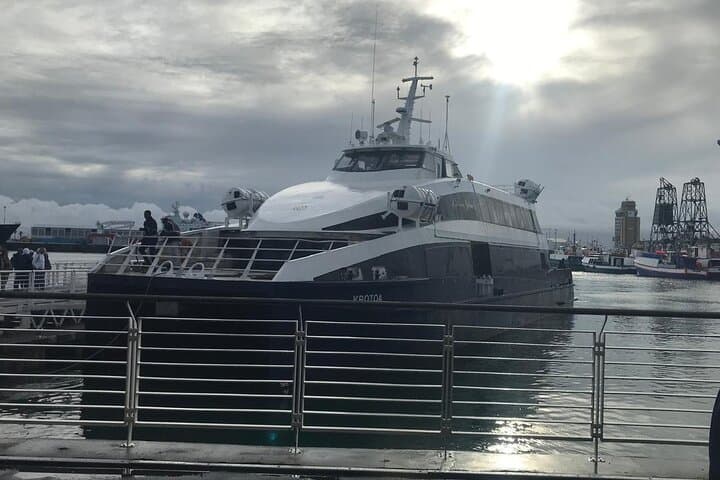
The ferry cuts through Table Bay with a brisk spray; Cape Town shrinks behind you and the low profile of Robben Island grows into focus — a flat, wind-swept slab of stone and history sitting six to seven kilometres off the mainland. Seabirds wheel and the sea seems to dare you closer as the boat makes for the island jetty.
The ferry cuts through Table Bay with a brisk spray; Cape Town shrinks behind you and the low profile of Robben Island grows into focus — a flat, wind-swept slab of stone and history sitting six to seven kilometres off the mainland. Seabirds wheel and the sea seems to dare you closer as the boat makes for the island jetty.
Once ashore, the story shifts from sea to stone. Robben Island’s limestone and shale plain was a penal station, leper colony and strategic outpost long before becoming synonymous with apartheid-era incarceration. The guided walk traces quarry yards where prisoners laboured and the corridor that led to Nelson Mandela’s cell — a spare space that has come to represent a nation’s fight for justice.
Geology here is blunt: low cliffs, iron-rich soils and windswept scrub that force vegetation low to the ground. Cultural context is immediate; the island operates as a living museum managed by the Robben Island Museum, and many narratives are told by former inmates who once worked the quarry and patrolled its perimeter.
Practicalities matter: bring valid ID or passport, dress for strong coastal wind, and expect a 4–5 hour window including transfer time. Photography is allowed in most exterior areas but restricted in certain museum spaces; follow your guide. The ferry can be choppy — take motion-sickness precautions and sit where you can steady your view of Table Mountain as you return. The half-day tour is compact but dense: history, shoreline views and a clear reminder of the island’s significance to South Africa’s modern story.