THE ADVENTURE COLLECTIVE® · Independent discovery and booking for outdoor travel

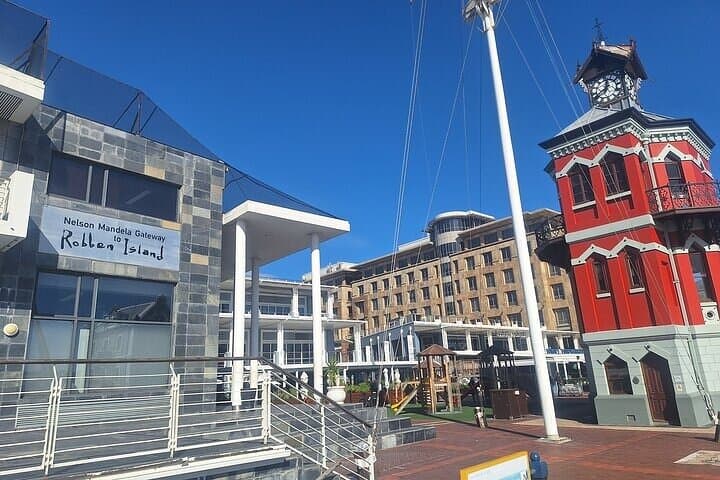
Board the ferry at the V&A Waterfront and step into a history shaped by labor, confinement and resistance. This half-day Robben Island tour combines a sea crossing with an on-island guided prison visit led by former political prisoners.
Board the ferry at the V&A Waterfront and step into a history shaped by labor, confinement and resistance. This half-day Robben Island tour combines a sea crossing with an on-island guided prison visit led by former political prisoners.
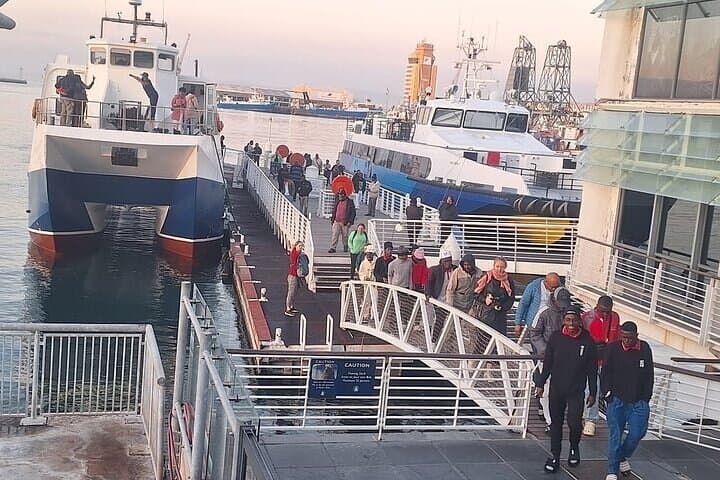
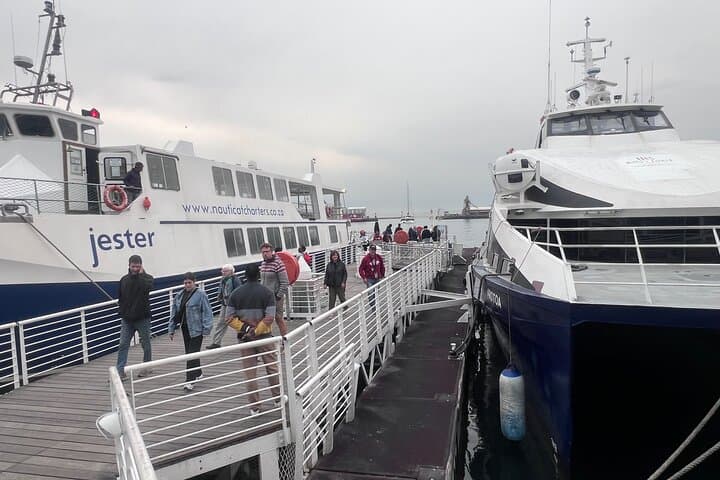
The ferry slips out of the V&A Waterfront and the city’s skyline loosens into open water; wind and salt cut a clear line between shore and island. On Robben Island, low scrub and concrete buildings sit under a wide southern sky, and the guide — often a former political prisoner — sets the tone: direct, unflinching, and rooted in lived memory.
Verified experiences and guided adventures in the surrounding area.
Operated by Karibu South Tours · Cape Town, Western Cape
The ferry slips out of the V&A Waterfront and the city’s skyline loosens into open water; wind and salt cut a clear line between shore and island. On Robben Island, low scrub and concrete buildings sit under a wide southern sky, and the guide — often a former political prisoner — sets the tone: direct, unflinching, and rooted in lived memory.
Robben Island’s story stretches from a leper colony and maritime outpost to a 20th-century maximum-security prison. The limestone quarry left visible scars on the landscape and the short, hard walks between cells and barricades still echo the rhythms of labor and resistance. Visitors trace routes that lead to Nelson Mandela’s cell, hear first-hand accounts, and pass WWII bunkers and the lighthouse that kept watch over Table Bay.
Expect guided bus loops, a walking segment through the prison grounds, and interpretive stops at the quarry and memorial sites. The crossing is exposed to Atlantic weather—bring layers and a soft bag for the ferry. Most tours include hotel pickup in Cape Town and bottled water; you’ll return with a clearer picture of South Africa’s recent history and the island’s layered uses over centuries.
Practical notes: bring your passport (identity checks are standard), arrive early to move through queues, and allow 4–5 hours door-to-door. Respect restricted areas and photography rules around sensitive memorials. Sea conditions can alter schedules—book a flexible morning slot to avoid cancellations and pick a calm-weather day if you’re prone to seasickness.
easy.
4–5 hours.
Suitable for most fitness levels; involves short walks over uneven concrete and stairs.
The crossing typically takes around 30–45 minutes each way, but times vary with sea conditions and the operator's schedule.
Yes—photo ID or a passport is required for ticketing and boarding; international travelers should bring their passport.
Robben Island Museum advertises wheelchair access for much of the visitor route, but some historic areas have uneven surfaces; notify the operator when booking.
Robben Island tours are often led or joined by former political prisoners who share firsthand accounts, though the itinerary can include museum staff guides as well.
Robben Island served as a colonial outpost, a leper colony, and a political prison where Nelson Mandela and other anti-apartheid activists were held; its museum preserves these layered histories.
The Robben Island Museum manages visitor access to protect fragile sites and wildlife—stick to paths, avoid disturbing seabird colonies, and minimize single-use plastics.
Karibu South Tours operates guided outdoor trips and adventures with an emphasis on safety, stewardship, and memorable experiences.

The ferry slips out of the V&A Waterfront and the city’s skyline loosens into open water; wind and salt cut a clear line between shore and island. On Robben Island, low scrub and concrete buildings sit under a wide southern sky, and the guide — often a former political prisoner — sets the tone: direct, unflinching, and rooted in lived memory.
The ferry slips out of the V&A Waterfront and the city’s skyline loosens into open water; wind and salt cut a clear line between shore and island. On Robben Island, low scrub and concrete buildings sit under a wide southern sky, and the guide — often a former political prisoner — sets the tone: direct, unflinching, and rooted in lived memory.
Robben Island’s story stretches from a leper colony and maritime outpost to a 20th-century maximum-security prison. The limestone quarry left visible scars on the landscape and the short, hard walks between cells and barricades still echo the rhythms of labor and resistance. Visitors trace routes that lead to Nelson Mandela’s cell, hear first-hand accounts, and pass WWII bunkers and the lighthouse that kept watch over Table Bay.
Expect guided bus loops, a walking segment through the prison grounds, and interpretive stops at the quarry and memorial sites. The crossing is exposed to Atlantic weather—bring layers and a soft bag for the ferry. Most tours include hotel pickup in Cape Town and bottled water; you’ll return with a clearer picture of South Africa’s recent history and the island’s layered uses over centuries.
Practical notes: bring your passport (identity checks are standard), arrive early to move through queues, and allow 4–5 hours door-to-door. Respect restricted areas and photography rules around sensitive memorials. Sea conditions can alter schedules—book a flexible morning slot to avoid cancellations and pick a calm-weather day if you’re prone to seasickness.